

Grace Barber-Plentie & Sky Lewis: BFI London Film Festival – Insider Tips

Image: Fucktoys
Here to help you look beyond the red-carpet glare: the 69th BFI London Film Festival serves up a 247-strong programme of films, series and immersive works, threaded through eight thematic strands – from Love and Debate to Dare, Cult and Create – plus sections like Shorts and Experimenta. Think discovery, not just Galas: our insiders Grace Barber-Plentie (BFI LFF & BFI Flare programmer) and Sky Lewis (LFF Shorts programme curator) share what to book now — the gateway shorts, the bold curveballs, and the strand hacks that’ll supercharge your festival. And don’t miss the Special Presentations, including NOWISWHENWEARE (THESTARS) – an immersive cosmic drift at Rambert Studio that’s pure festival serotonin.
Insider tips from Grace Barber-Plentie
You work across LFF and BFI Flare. What themes or voices that excite you at Flare are surfacing at LFF this year and where should a newcomer start to feel that thread?
A theme that I really care about in terms of programming for both Flare and LFF is trans people being able to tell their own stories, especially fictional ones – the majority of work we get in cinema is usually cis people exploring trans peoples lives, which is usually well-meaning but can sometimes feel inauthentic. But you get films like this year’s She’s the He by Siobhan McCarthy, which is made by a non-binary director and then also stars a mainly trans and queer cast, which is brilliant.
We’re also screening Pillion, which is the debut feature film by Harry Lighton. One of the things that Flare does that continually excites me is our mentorship scheme in collaboration with BFI Network and BAFTA, because we’ve gone on to see amazing people make films that have played our festivals, like Amrou Al-Kadhi, Georgia Oakley and Dionne Edwards. Harry was part of one of these cohorts back in 2017 and now he’s going to be screening his film to a huge audience at the Royal Festival Hall!
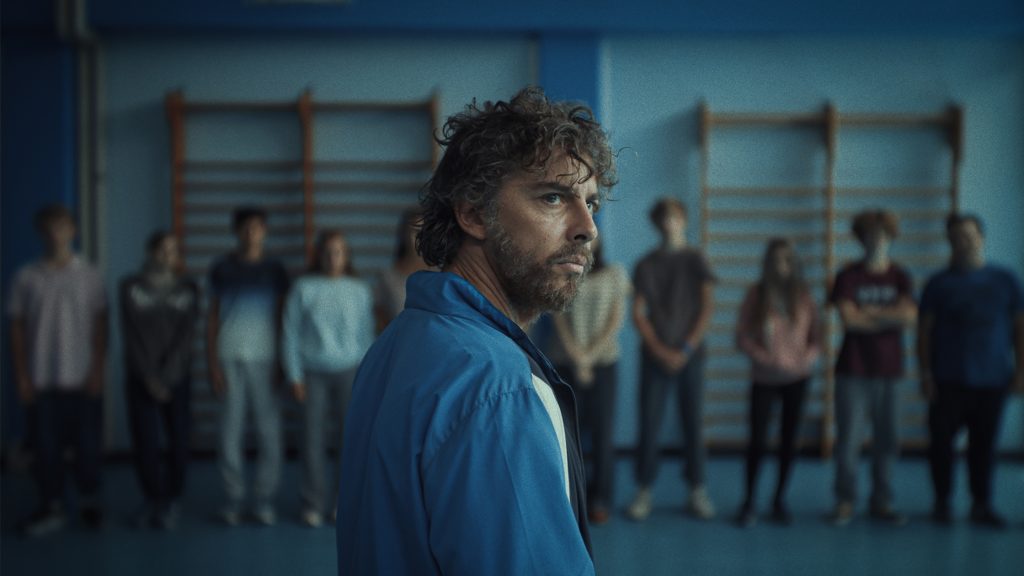
Image: The Holy Boy
We’ve heard Fucktoys is a sexy, trashy nod to filmmaker John Walters. What’s your take on Annapurna Sriram’s debut feature? Any other tips from the ‘Cult’ strand?
Fucktoys really is such a delight. So is having the chance to say the word Fucktoys regularly while promoting the festival! There’s definitely some John Waters homage in there, as well as some Gregg Araki, but what I love is that the director uses those directors as reference points to make something that feels totally unique and her own. I read that she loved cult filmmaking but rarely got to see someone that looked like her onscreen, so she made a film that she wished existed!
Our Cult strand this year is excellent as always. A film that I really love and think is a bit of a hidden gem is The Holy Boy. It’s an Italian old-school horror about a spooky town, religious hysteria and grief, and it kept me guessing where it was going to go constantly while I was watching it.
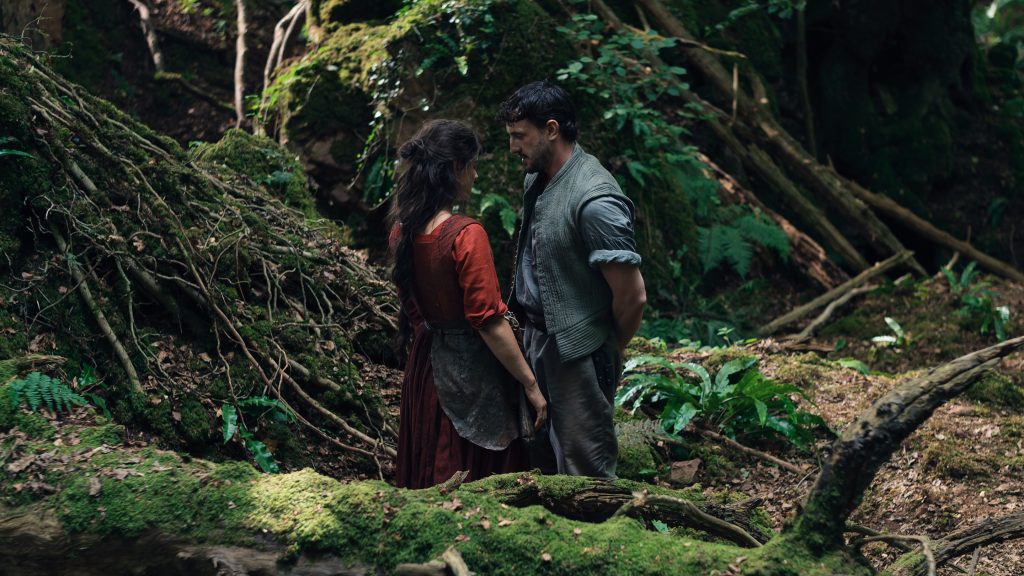
Image: Hamnet
Recommend two films you weren’t involved with: one crowd-pleaser and one curveball. What makes each a great entry point for Run Riot readers?
I’ll recommend two films that I actually have tickets for myself and am very excited about seeing – I think they really represent the breadth of the LFF programme. The crowdpleaser is Hamnet, which I have heard only the very best things about from my colleagues. I’ve been told to bring tissues. And a bit of a curveball is a restoration of an 80s film from Guinea Bissau, Mortu Nega. The restoration looks absolutely stunning. I think these two films show nicely what we do at LFF. Over at Royal Festival Hall you can see a nice starry drama that people are saying has potential to go all the way to the Oscars (though from a filmmaker who still has a very indie sensibility!), and then just next door at BFI Southbank you can rediscover older films.
Quick navigator’s guide: how do you personally “do” LFF, from choosing strands vs. Galas, to booking tactics, venue vibes, and catching Q&As – so readers maximise discovery and conversation?
As I’m usually running from venue to venue doing Q&As, I don’t really get to ‘do’ LFF in the way that I used to, aka watching as many films as possible. But in my days as a member of the public I used to try and see as many films that didn’t have UK distribution as possible. It’s always really fun to take a chance on a director or film you might not have heard of, and sadly sometimes these screenings might be one of the few times some of these films get shown in the UK! Also, if you need a break from films, I definitely recommend exploring some of the work in our Expanded programme.
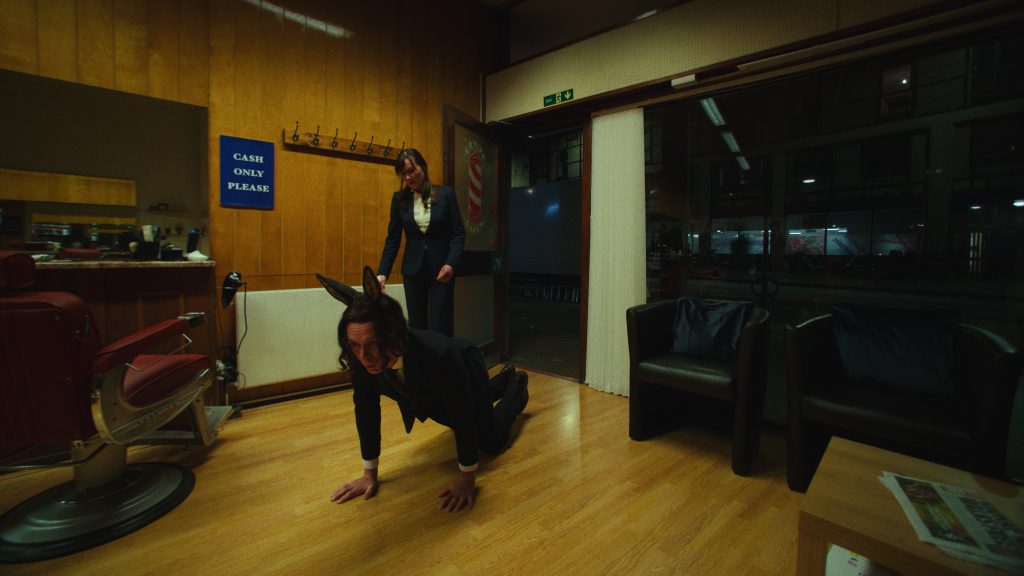
Image: Party Animal, Are You Kidding strand, Shorts Programme
Insider tips from Sky Lewis
For a Shorts newcomer: which one programme is the perfect gateway, and which is the bold, “trust us and dive in” pick?
I would say the perfect programme as a gateway to the world of shorts would be Discovering Home. The programme has a little bit of everything – documentary, fiction, animation and multimedia. The films are all from UK filmmakers, and they explore the many different meanings of home; how we make a living to stabilise our homelife, the struggles people find whilst trying to create a home for themselves in a new country, and how it can feel to be torn between two places, trying to find a sense of self. It’s a fascinating programme that will really capture audiences.
The ‘trust us and dive in’ pick would have to be Are You Joking. It’s our off-kilter comedy programme, and it definitely takes you on a journey. It begins very light-hearted with smatterings of the unexpected, then certainly descends down a pretty wacky path (which will hopefully still make you giggle).
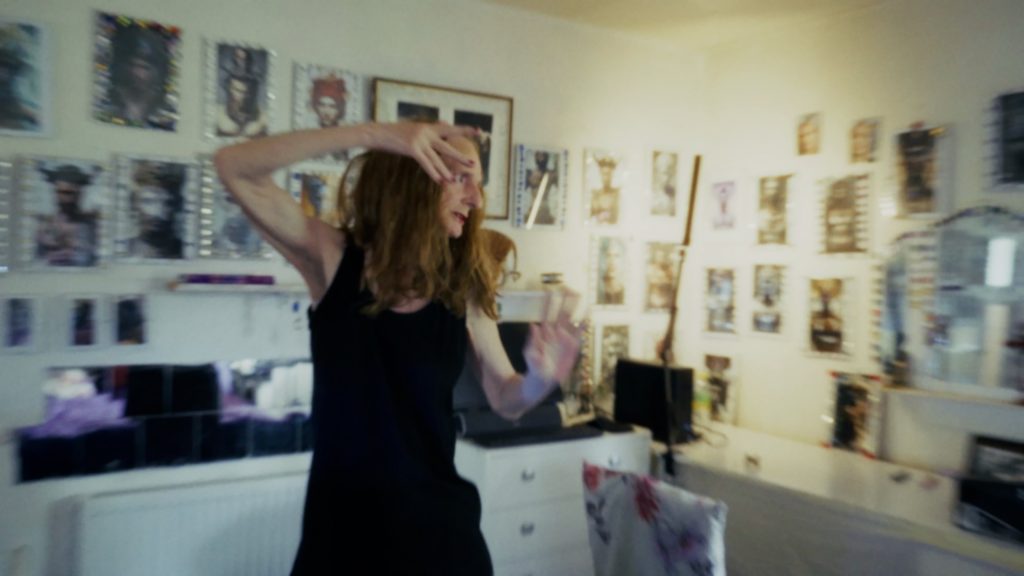
Image: You Can Call Me Lou, Roots and Branches strand, Shorts Programme
What caught your attention about the film, You Can Call Me Lou – and, tell us more about why you think the Roots and Branches strand will resonate in 2025?
You Can Call Me Lou caught our attention in its honest and touching portrayal of the freedom found in queer spaces, especially ones that have existed for years. We felt that the film fit perfectly in a programme like Roots and Branches, which focuses on families and found families or community, as it explores how these queer spaces provided a place for Lou, and others like her, to express themselves at a time it was difficult to do so. I think this is especially resonant now, as Trans people are under attack by the government and seem to have become a bargaining chip in the culture wars; we must remind people that Trans people have always existed, their existence isn’t up for debate, and we must do all we can to support and protect the community. This is what the programme as a whole aims to explore – that even when your identity feels threatened, or you don’t feel there is space for you, family and community are there to guide and uplift you through these struggles. (Read the Run Riot Interview with Zeta Gkoko, Director of You Can Call Me Lou).
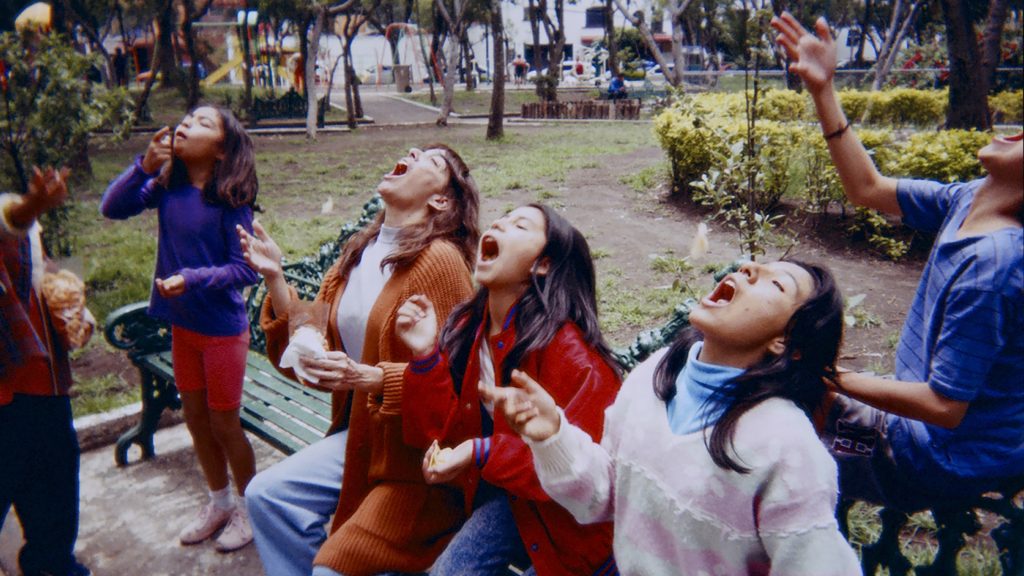
Image: The Devil Smokes (and Saves the Burnt Matches in the Same Box)
Outside your beat, what’s your favourite festival strand this year, and one can’t-miss title there for a Shorts-leaning audience?
This is a tricky one… I think the Dare strand is always full of surprises and has so many strong titles this year. The films are daring in form and subject matter, so there’s always something in there for everyone. I would recommend The Devil Smokes (and Saves the Burnt Matches in the Same Box) from this programme – almost for the title alone. This is a feature directorial debut from Ernesto Martínez Bucio and carries a formal inventiveness and boldness that I feel makes sense of a filmmaker used to working with the shorts format. The film is told from the perspective of five children, and blends imagination and reality to form an eerie and encapsulating world for the viewer.
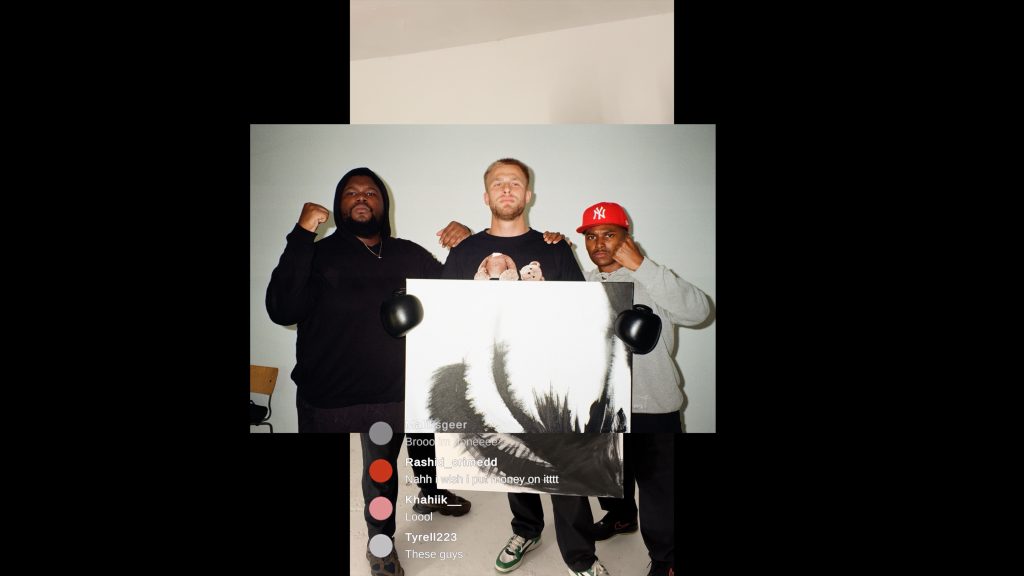
Image: More Life
Name two other feature films you didn’t curate that you’re personally excited to recommend – and why they’ll land with Shorts fans.
My first recommendation would have to be Emilie Thalund’s Weightless. It’s a Danish title following Lea, a fifteen-year-old girl who has gone to a ‘health camp’ for her summer holidays. It’s an extremely sensitive portrayal of a young girl’s experience of her body, feeling different from other’s her age, and understanding how the world perceives you. The film is deeply moving and beautifully shot, acted and written – I recommend it to everyone!
My next one would be Bradley Banton’s More Life. Another feature debut, the film is a fun and fascinating play on what we know filmmaking to be. The entire film is seen through the Instagram live format, and we follow a group of old friends reuniting to celebrate one of them having a show opening in a gallery in Copenhagen. The film explores the complexities of friendship dynamics, especially as people grow and change throughout young adulthood. It’s definitely a film for people looking to experience something new.
BFI London Film Festival (LFF)
8-19 October 2025
London-wide, across the UK and online
bfi.org.uk
