
Zeta Gkoka: London’s film scene – dynamic, diverse, and deeply community-driven
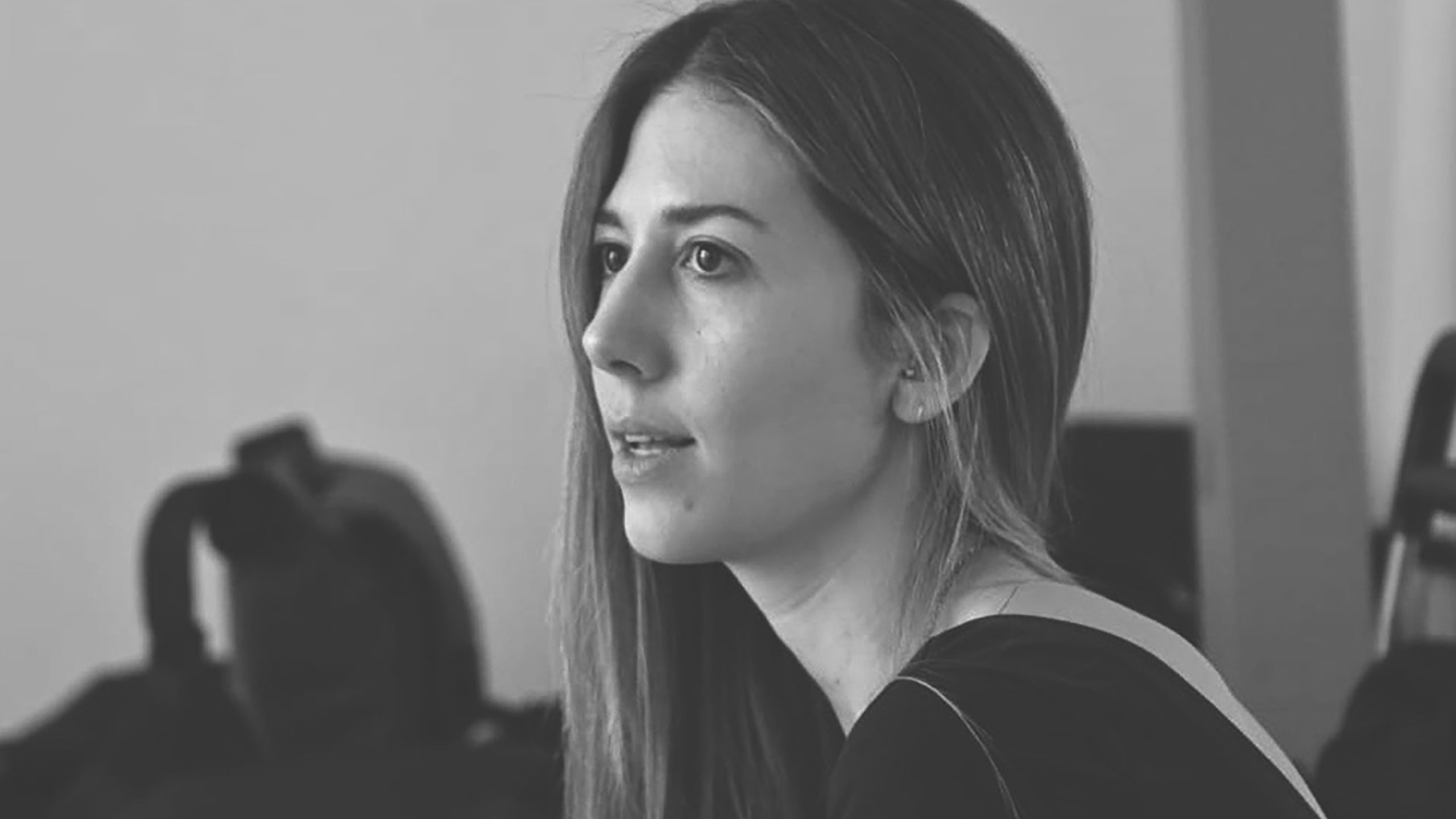
On opening day at BFI LFF, Georgia “Zeta” Gkoka’s short You Can Call Me Lou joins the Roots and Branches programme – a tender portrait of Louise Kramer, an ex-dancer whose 1980s transition is remembered through movement, memory and chosen family. For Zeta, the selection is a celebration of community and authenticity, perfectly in tune with the strand’s spirit. She describes London’s film ecosystem as dynamic, diverse and deeply community-driven, with independent collectives and hubs like the ICA nourishing bold voices. First launched online, the film now meets a big-screen audience – exactly the kind of foyer-fuel conversation starter LFF is made for. Next up, Zeta is developing ANGLERFISH, a short fiction set in East Sussex that draws on local traditions and casts children from the community. Dive into our Q&A for her tips, strand picks and what to book now.
‘You Can Call Me Lou’ lands on opening day as part of the Roots and Branches short film strand – what does that placement mean to you, and what conversation do you hope it kicks off in the foyer afterwards?
Having You Can Call Me Lou on opening day as part of the Roots and Branches strand feels very meaningful. The strand itself speaks to heritage, identity, and the ways we remain connected – to people, to places, to chosen families – and that is at the heart of Lou’s story. To see her life and ethos framed in this context feels like a celebration not only of her but also of the wider community she represents.
I hope the conversation it sparks afterwards in the foyer is one of freedom and authenticity. Lou was an extraordinary individual who encouraged everyone to live as their most unique and authentic self. I hope the film invites us to reflect on the meaning of our own roots and branches, and on how the communities we belong to shape who we are and who we aspire to become.
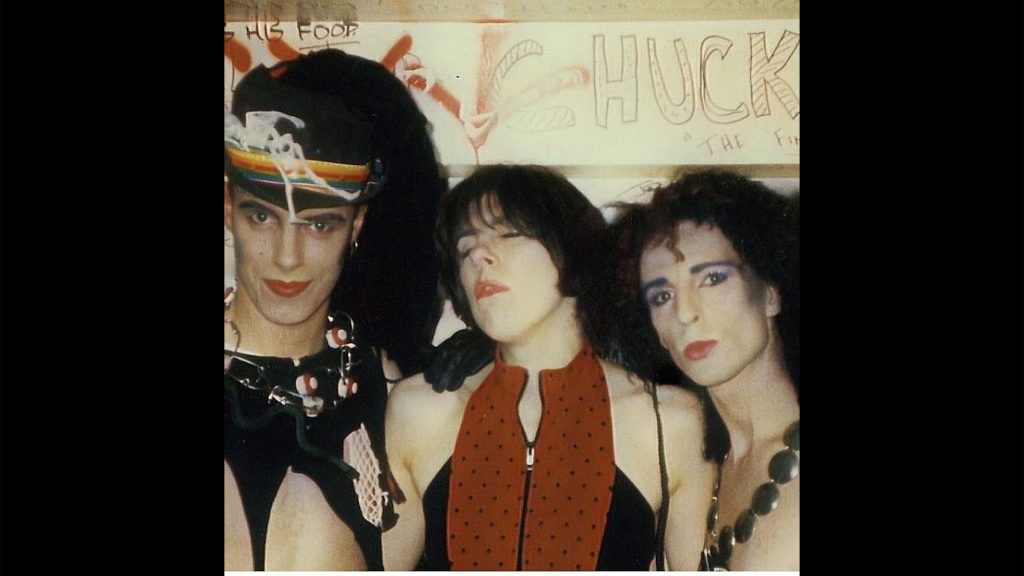
Image: Still from ‘You Can Call Me Lou’.
‘Lou’ blends memory, dance and nightlife textures. What were your guiding references for image and sound, and what was the toughest creative decision you made in the edit?
The main visual references for the film were Derek Jarman’s Super 8 shorts, All the Beauty and the Bloodshed by Laura Poitras, Paris is Burning, and Grey Gardens. Beyond their striking cinematic qualities, all of these documentaries share a common language: they portray extraordinary individuals who lived during iconic cultural moments, as well as the communities that became their chosen families. I felt Lou had much in common with these references, and I wanted to capture her ethos through a poetic documentary that flowed with ease and emphasised the beauty and serenity she radiated.
Post-production was a relatively smooth process because I had a clear vision of the film’s emotional tone from the beginning. Out of nearly ten hours of footage, I created a post-production structure centred on the most meaningful lines, which gave the final cut its coherence. The two most challenging decisions I faced were, first, choosing to exclude the material we shot with Melissa, Louise’s friend. Despite investing time and money to film interviews in Edinburgh, they ultimately didn’t fit with the rhythm and focus of the film. The second challenge was my decision to use a Verdi opera piece for the final scene. I had envisioned an old operatic track juxtaposed with Lou’s dancing to create a striking contrast. It was a risk, but in the end, I’m glad I trusted that instinct – it became a powerful closing moment.
As a London-based filmmaker, how would you describe the city’s film ecosystem right now – the communities, venues, or micro-scenes that nourished this project?
As a London-based filmmaker, I would describe the city’s film ecosystem as dynamic, diverse, and deeply community-driven. What excites me most is the presence of independent film collectives and grassroots initiatives that constantly create space for emerging voices. These platforms not only showcase bold and original work but also spark meaningful conversations that reflect the city’s cultural and social fabric.
Venues like the ICA have been especially important to me – they’re not just screening spaces but hubs for dialogue, learning, and finding community. It’s a place where I always feel both grounded and challenged, surrounded by people who share a passion for art and cinema. Beyond institutions, I’ve also been nourished by the informal micro-scenes that form around collaboration: small groups of artists and filmmakers who share resources, ideas, and energy to make projects possible.
This project, in particular, was sustained by incredibly talented individuals who shared the same vision and passion. That sense of collective spirit – of making something together – feels very true to London’s independent film ecosystem right now.
Outside Shorts, which festival strand is your personal favourite this year, and what’s the one can’t-miss title there for someone new to LFF?
I am especially excited about Cover-Up, the documentary by Laura Poitras and Mark Obenhaus, which is part of the Debate strand. I believe this strand is unmissable, particularly in the turbulent times we live in, marked by global conflict and uncertainty. It creates space for vital conversations that challenge us to reflect, question, and think more deeply about the world around us.
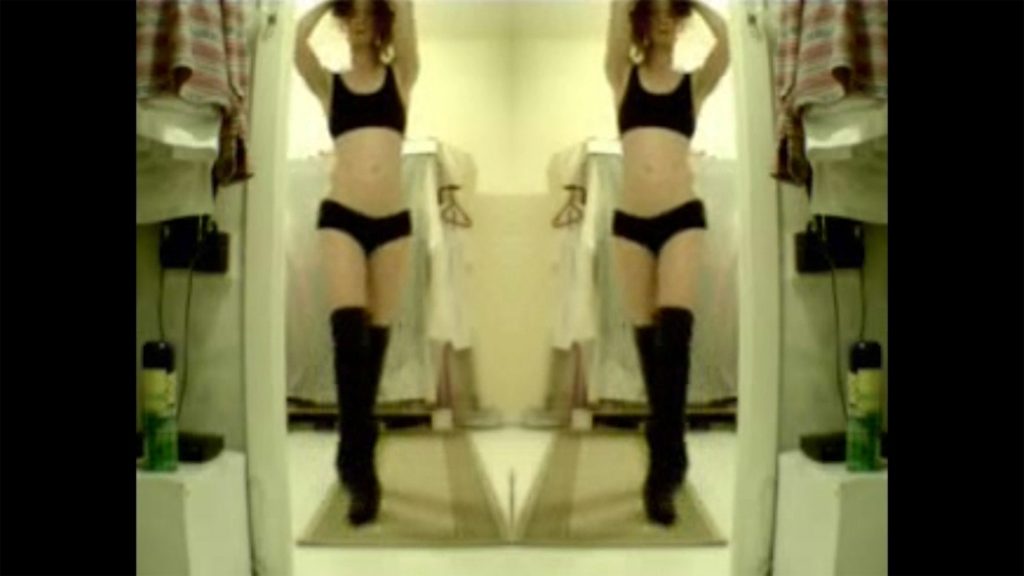
Image: Still from ‘You Can Call Me Lou’
What are the plans for ‘Lou’ (screenings, tours, a longer cut?), and what story are you hungry to make next – thematically or formally – now that this film is out in the world?
I am deeply grateful for how warmly the film has been received by both audiences and film festivals. Its global premiere on NOWNESS made it accessible to viewers around the world, while the highlight of the festival run was the BFI London Film Festival, where the film could be celebrated in the very city Lou lived in – an opportunity to honour both her story and the cultural heritage of our vibrant community.
I also made a conscious decision to submit the film to smaller, free festivals such as Brighton ITFF, Peckham LFF, and KINOmad. For me, cinema should be accessible; like art, film belongs to everyone – not just to small, elitist circles. These local festivals allowed the work to reach grassroots audiences and engage with communities on a more intimate level, which felt essential to the spirit of the project.
Looking ahead, I am excited to begin work on my next film, ANGLERFISH – a short fiction piece I wrote last year and plan to shoot next spring in a stunning East Sussex location. The story is inspired by my time at Emerson College in Forest Row, where local traditions mark the arrival of summer with community gatherings. At the college, creativity is fostered through practices such as exploring astronomy in art, nurturing a deep connection between children and nature, and celebrating together through storytelling, music, and poetry in the college hall.
ANGLERFISH is motivated by a desire to capture and share the essence of this magical, spiritual community through fiction. I plan to cast local children in the main roles and involve the surrounding community in the process, so that authenticity and a sense of belonging shine through the film. Just as importantly, the project seeks to preserve the tradition of oral storytelling – an art form that is slowly disappearing in today’s world.
You Can Call Me Lou
BFI London Film Festival
Wednesday 8 October, 20:40 at BFI Southbank NFT1
Friday 10 October, 17:30 at BFI Southbank NFT3
bfi.org.uk
Watch You Can Call Me Lou online at NOWNESS.
Find Zeta on Insta @zetagk
