
Sean Rogg on The Waldorf Project, Engineering Empathy and the Art of Human Connection
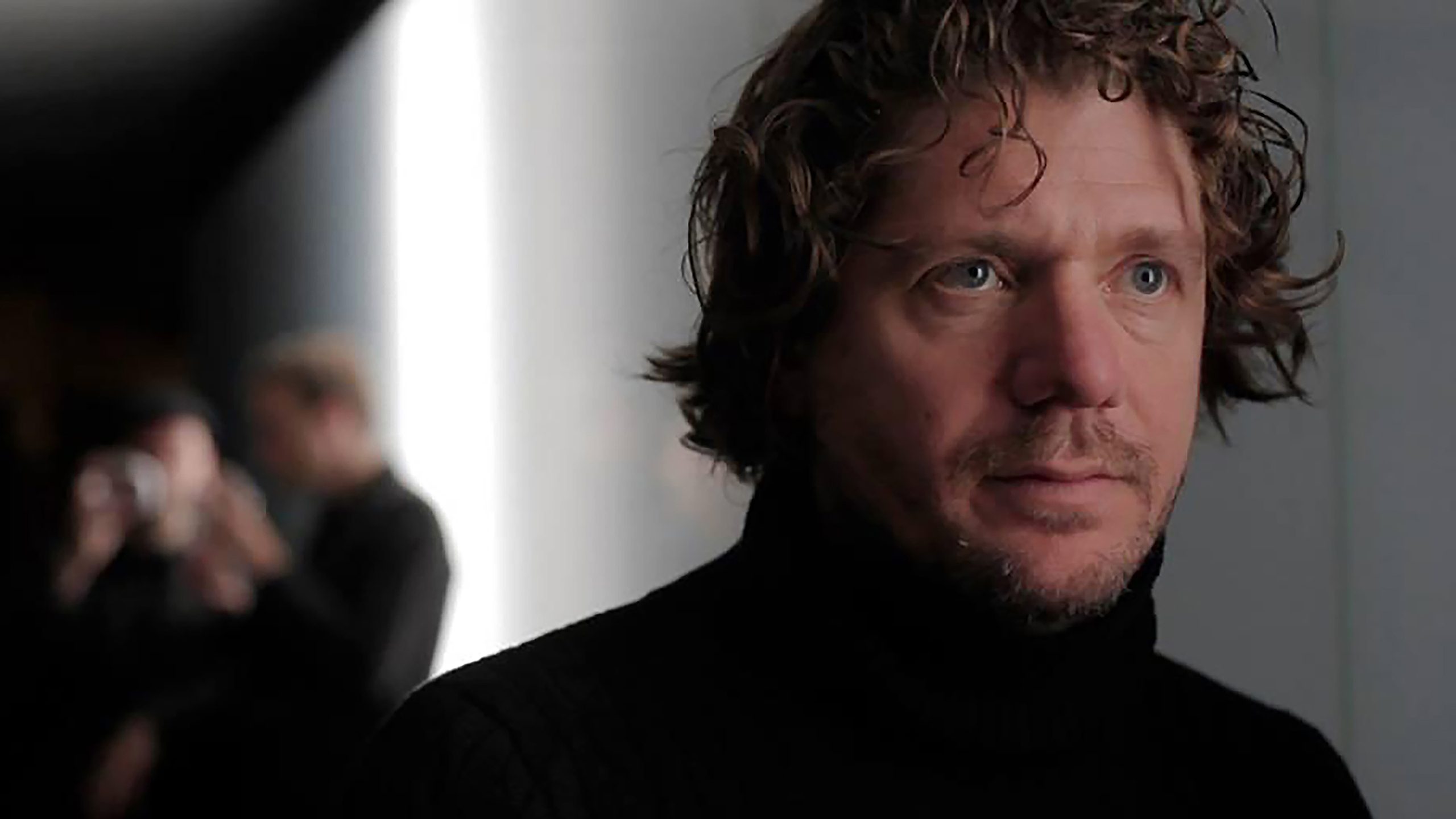
Image Credit: The Waldorf Project Founder Sean Rogg.
For Sean Rogg, the journey from Hollywood film sets to the outer reaches of immersive art has been anything but conventional. A self-taught storyteller, Rogg began as a runner on major film productions before returning to London to direct his own short films and music videos. He eventually found his freedom in contemporary art, creating around 19 experimental films, exhibiting internationally and developing a distinctive language of wordless, emotionally charged storytelling.
“Cinema is my church,” he tells Run Riot. But it was watching 400 people respond collectively to one of his films that sparked a radical thought: “Is there a way to remove the film and start working directly with people?”
That question gave birth to The Waldorf Project, Rogg’s pioneering series of multidisciplinary experiences combining choreography, sound, architecture, sensory experimentation and neuroscience. Here, audiences aren’t spectators but participants, invited to surrender familiar boundaries and explore what happens when strangers connect. Rogg calls it empathy engineering.
Now comes Chapter Five/KAIHOGYO, a three-and-a-half-hour odyssey inspired by the extraordinary spiritual endurance of Japan’s Tendai Buddhist monks. Developed through years of research, personal experimentation and collaboration with contemporary dancers, this ambitious new chapter takes just 40 participants at a time into a world where trust, collective experience and deep introspection meet.
In an age of digital distraction, fractured communities and increasingly mediated relationships, Rogg offers something profoundly human: the possibility of rediscovering ourselves through one another.
Our invitation? Put your phone away, gather your curiosity, take a chance on the unfamiliar and say yes to a little human connection. Better still, bring a stranger into your world.
Chapter Five/KAIHOGYO runs from 11 November to 20 December 2026. Discover The Waldorf Project and book your place.
Looking back to your early years, what first sparked your creativity? And what connects your journey from film to visual art and, eventually, The Waldorf Project?
I think I’ve just been finding my way until The Waldorf Project was born. When I look back at my life, I realise that, in one shape or another, I was always a storyteller, or interested in storytelling. But my brain is wired a little differently. I’m neurodivergent and dyslexic, and I don’t deal very well with reading. It’s tedious for me. So I’ve found other ways to get inspiration, and they came from nonverbal storytelling.
Cinema is my church. I go every week if I can. When I was younger, I naturally thought that might be my life, so I went to Hollywood and explored trying to break in. I worked as a runner on some really big films, learned the trade and climbed the directing ladder.
In my mid-twenties, I thought I was ready to direct. I came back to London, liquidated all my assets and made my first short film, a ghost story, shot on film with a professional crew. It was very successful and travelled around the world. Then I tried to break into the industry.
At the time, the pop-video industry was much stronger than it is today. It was a great way for young directors to break into film directing. You could work with tiny budgets for obscure bands, think outside the box and take creative risks. I did that for a few years, then started working towards feature films. I even wrote a script, although it took me a year. Writing was tedious for me, and I was frustrated by not really finding fulfilment in the industry.
Then I encountered the work of artists such as Richard Long and James Turrell. It felt even more perfect for me because there was no speaking. I transitioned into visual art, and suddenly I was free. As a video artist, I could pick up a camera and shoot without needing to write a script. I could go straight from here to the screen.
I made around 19 films. My work was collected, and I was, quote unquote, somewhat successful. The films had no words. They were designed to elicit an emotional response. Emotional storytelling was what I was playing with, and I was getting very good at it.
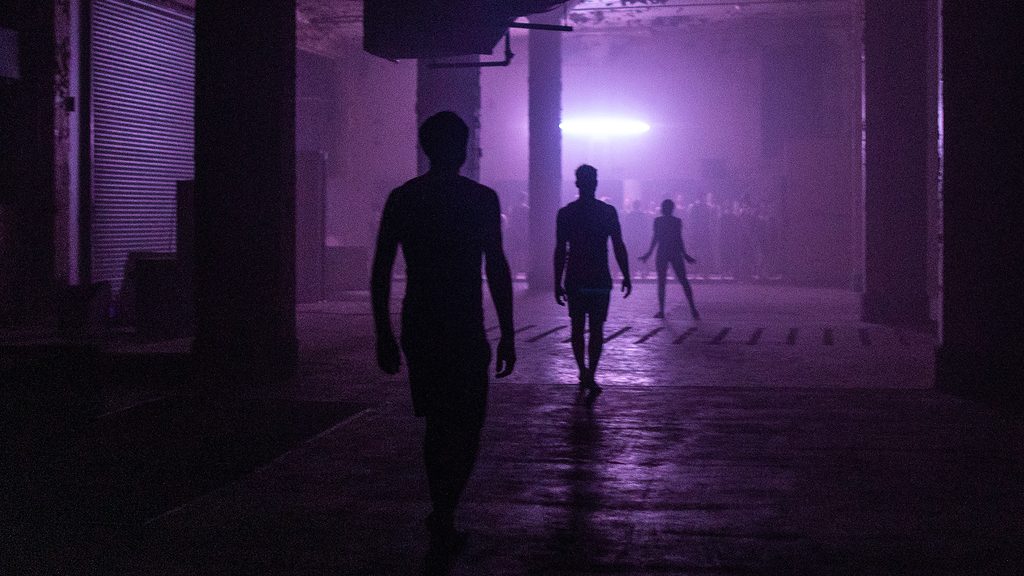
Image Credit: The Waldorf Project. waldorfproject.com
Was there a particular moment when you realised you wanted the audience to become part of the work, rather than simply watch it?
I remember exactly when the light-bulb moment happened. It was at the opening of one of my last films. I’d made a film of about 20 minutes, with very high production values, about two young children who ceremonially burn a house to the ground. It was visceral and violent, but also beautiful, because I showed the beauty of fire.
I’d built the emotional responses into the narrative. I knew what I wanted to happen at minute one, minute three, minute five. We had about 400 people at the opening. I don’t show my films on a loop: we have timed entry, turn the lights off, close the bar and let people watch from the beginning. I treat it a bit like cinema.
I stood at the back watching the audience go on this rollercoaster of emotions. I knew exactly when those responses were supposed to happen, and there was this swarm of people responding together. I thought, ‘This is intoxicating. Is there a way to remove the film and start working directly with people?’
I didn’t know how to do it yet. It took me four years to figure out Chapter One of The Waldorf Project.
During that time, I was getting excited about contemporary dance and immersive theatre. I was going to Sadler’s Wells a lot, seeing artists such as Akram Khan and Hofesh Shechter, and Punchdrunk was emerging. I thought, ‘I’m going to cherry-pick from these art forms, put them through my brain and see what the hell happens.’ I wanted to keep that emotional storytelling, but make it live.
Chapter One involved a lot of food, contemporary dancers, choreography and a massive set, but no speaking, writing or reading. When I look back at it now, it seems so vanilla. At the time, though, it felt cutting-edge. That was the birth of it all.
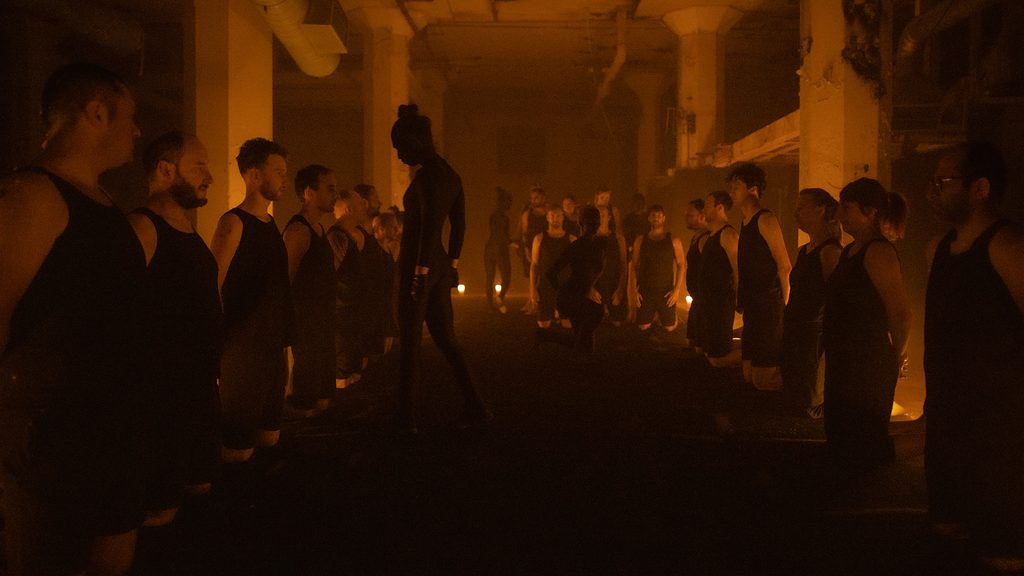
Image Credit: The Waldorf Project. waldorfproject.com
The audience isn’t invisible in a Waldorf Project experience. How has that direct relationship with participants changed the work?
The key is that you’re not a voyeur. You’re a participant. There are immersive productions where you’re visible to performers, but we take it further because we interact with you physically.
If somebody came up behind you right now and touched your earlobe, you’d freak out. Your hormones would spike. You’d go into fight-or-flight mode. Who is this person? If you knew them, that response would come down rapidly. If you didn’t, you’d go into defence mode. And that’s just touching your earlobe.
When we started, I was asking myself how to deal with something as simple as touching somebody on the shoulder. As the chapters developed, people became more comfortable with it, and we became better at it. I was able to take the ideas deeper.
I now have these massive flowcharts involving endocrinology and neuroscience. I can map a long emotional journey, almost like music. And something unexpected always happens in a chapter. Whatever that thing is, I explore it and build it into the next chapter, so that it’s no longer an accident. Then a new accident emerges. That’s how the work evolves.
We began exploring what I call ’empathy engineering’. It emerged by accident in Chapter Three, and I developed it through other experiments, including one in Thailand involving 4,500 people. I’ve also explored altered states using technology rather than drugs.
But I’ve always been interested in human connection: connecting people to themselves and to others. In Chapter Four, BARZAKH, something monumental happened. People were going deeply introspective. I’d been so focused on the group dynamic that I’d left something out: the self. The first stage of the journey, before you connect with somebody else.
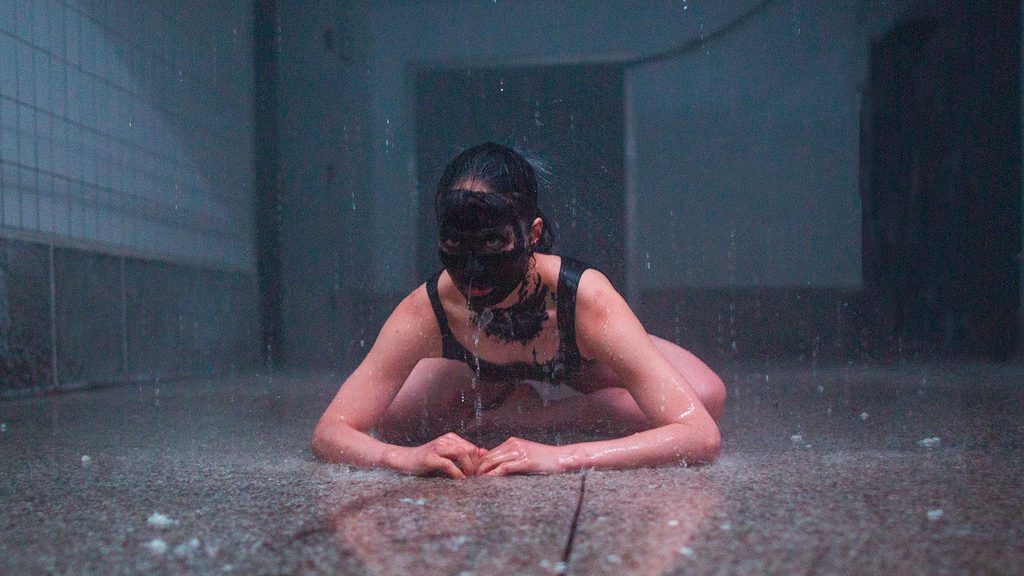
Image Credit: The Waldorf Project. waldorfproject.com
You’ve spent years developing Chapter Five/KAIHOGYO. What discoveries changed the direction of the project?
Every chapter is based on a metaphorical concept. It isn’t supposed to be literal. KAIHOGYO comes from an ancient practice of Tendai Buddhist monks in Japan. They undertake these extraordinary, demanding pilgrimages in the mountains. What fascinated me wasn’t simply what they were doing, but why they were doing it.
They’re trying to reach a higher level of consciousness. Through extreme repetition and meditation, they’re seeking a way to detach from the body and experience something beyond ordinary consciousness. The way I look at it, it’s a kind of primitive biohacking.
I started thinking about the stages of connection I’d studied in relation to altered states. First, you go into the self. Then you connect with the family, in quotation marks, and finally with society. That first level of introspection was the missing piece for me.
I know people in neuroscience, endocrinology, experimental psychology and other research communities, and I began asking whether I could distil an extraordinarily long, demanding process into something much shorter while retaining its emotional impact.
I began experimenting on my own, including in London, but I wanted to find a way to disconnect from the usual visual distractions. Eventually I found an unusual stretch of coastline near Saint-Louis in Senegal. I spent a month there, testing ideas through repetitive movement and meditation. Something beautiful emerged. It was tender, serene and an absolute distillation of the experience.
Of course, it had to start with me, but it most definitely couldn’t end with me. I brought what I’d learned back to London and tested it with my dancers. The response was hugs and tears. Then I needed to test it with people who weren’t already invested in the idea.
Before each chapter, I run test performances, almost like a research laboratory. It’s a ticketed event, but it isn’t an official chapter. We test ideas, make mistakes and learn from them. For this one, 120 people took part across six sessions. The results were astonishing. From there, I had to build what we’d learned into the heart of a much larger experience.
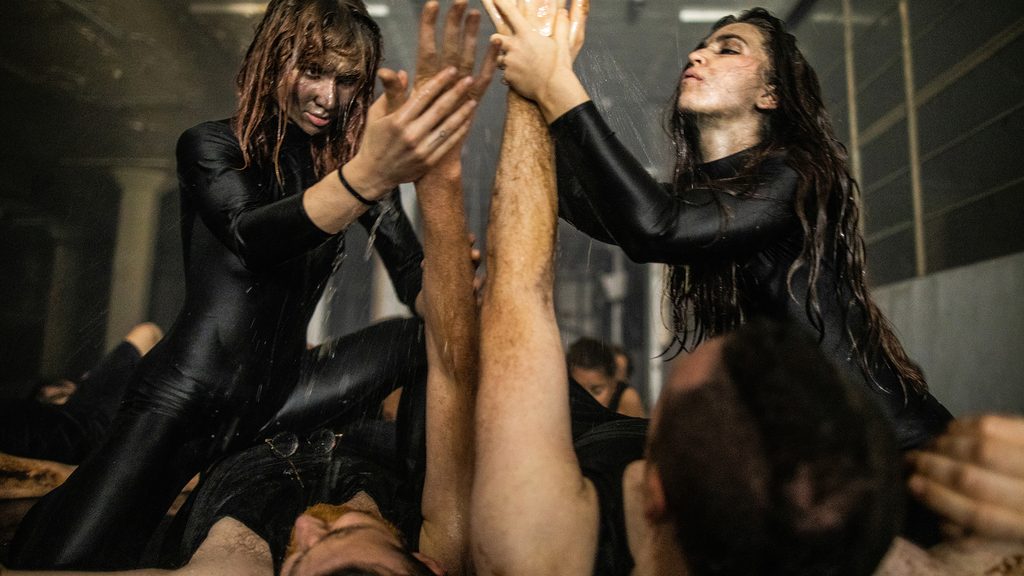
Image Credit: The Waldorf Project. waldorfproject.com
KAIHOGYO asks a great deal of its audience. How much should people know before they arrive, and how do you earn their trust?
It’s not for everybody. It’s a three-and-a-half-hour odyssey, and it’s fully interactive. You need to be fairly fit. There’s a lot of information when you buy a ticket: instructions, disclaimers and practical guidance about things such as claustrophobia, fear of the dark and changing out of your clothes.
As long as people know what they’re signing up for, it’s best that they know as little as possible about what will happen. All I ask is: Give me your hand. Trust us. We’re going to look after you.
We are very caring. The contemporary dancers I’ve worked with for years know how to do this. They know how to make people feel comfortable and safe. We’ve evolved enormously from those first experiments with physical interaction, and that trust allows us to unlock something beautiful.
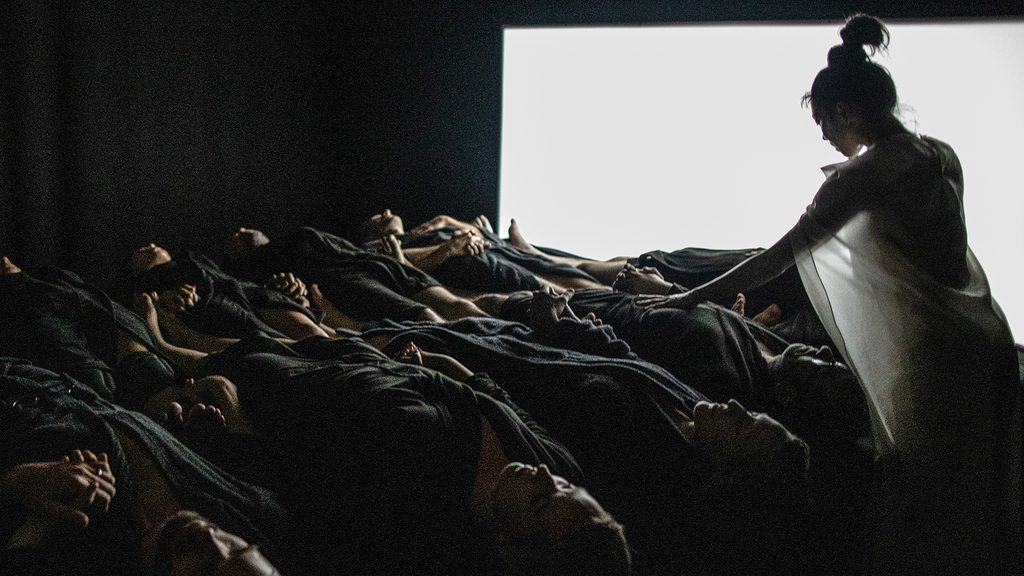
Image Credit: The Waldorf Project. waldorfproject.com
You’ve spoken about the relationship between the individual and the group. What do you hope participants might discover about themselves and each other?
The journey has been very carefully considered to bring people together, but this time we’re going further.
In the earlier work, I was interested in 40 strangers coming through the front door and, within minutes, beginning to feel connected to one another. They would carry on their journey with that connection.
Now I’m interested in the relationship between that collective experience and deep introspection. We can move from the self, to strangers, to a connected organism of empathy, and then towards a deeper look at the self. That’s the new thing for me.
Find Sean Rogg at waldorfproject.com and on Instagram @waldorf_project
See Sean’s work IRL →
The Waldorf Project
Chapter Five/KAIHOGYO
Venue – Central London (Secret: details released prior to performance)
19 Nov – 20 Dec | Previews: 11 – 18 November
Times: 6:30pm to 10pm
Tickets and info → waldorfproject.com