

Daniel Hay-Gordon and El Perry on Camp as Christmas: Queer Joy, Political Satire and the Art of Not Fitting In
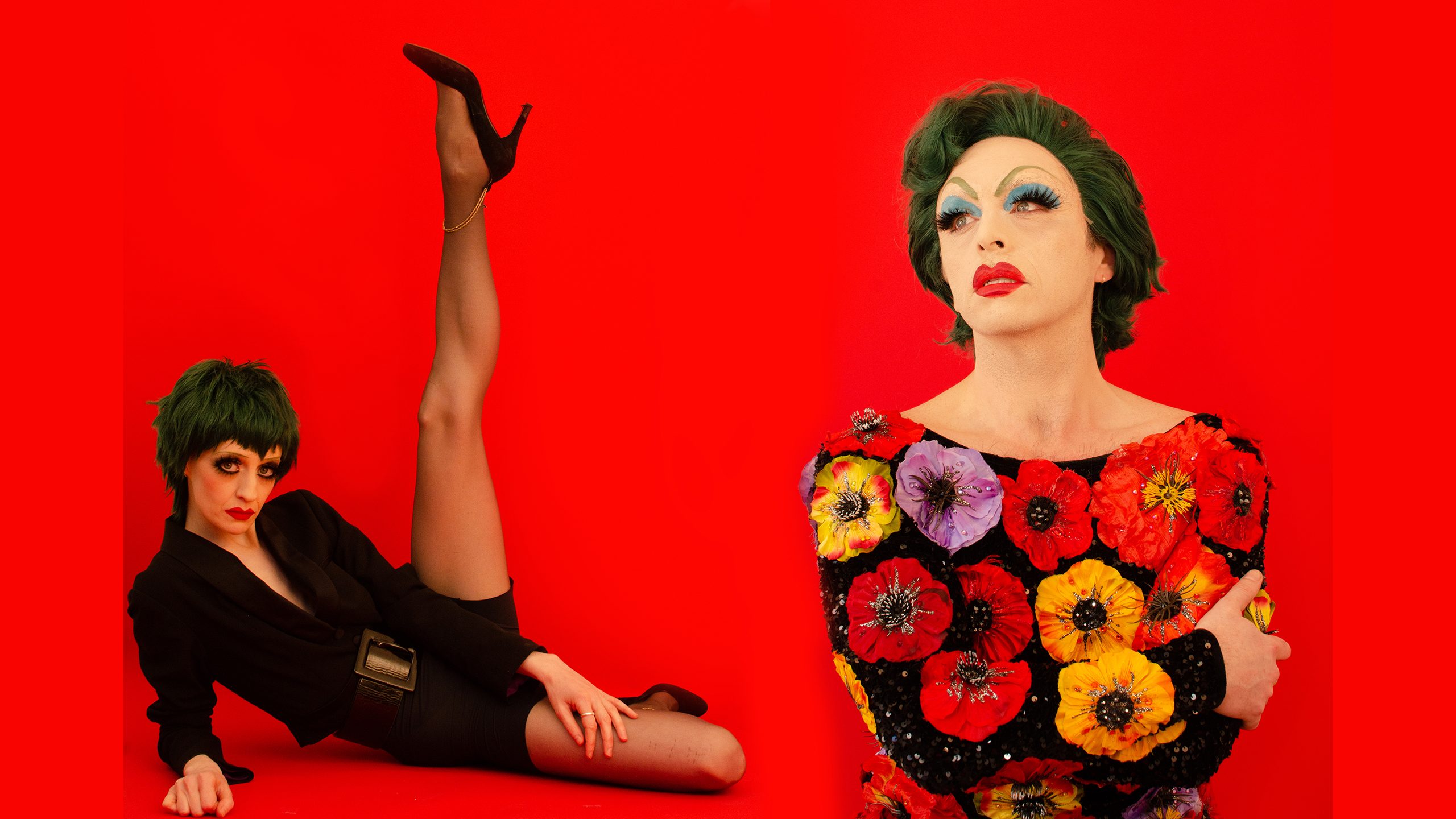
Image Credit: Thick & Tight, ‘Camp as Christmas’, photographed by Darren Evans.
From a dancing pig in a school production of Animal Farm to some of the country’s most prestigious stages, Daniel Hay-Gordon has always understood the power of being gloriously different. El Perry, raised by actor parents and nurtured at a South London dance school, found a similar freedom in performance. The pair met while training at Rambert and went on to found Thick & Tight, a deliciously subversive dance-theatre company where classical virtuosity collides with drag, satire, queer history and unapologetic absurdity.
From queer cabaret nights to the Royal Opera House, Barbican and Southbank Centre, their work has challenged conventions and reimagined artistic excellence. Their acclaimed Natural Behaviour won Achievement in Dance at the 2025 UK Theatre Awards, cementing their reputation as boundary-pushing makers with something important to say.
Now they’re turning Christmas upside down. Camp as Christmas, premiering at the Southbank Centre’s Purcell Room from 10 December 2026 to 3 January 2027, promises Judy Garland, Reform UK, a consumerist Santa dancing to Ariana Grande, and enough outrageous spectacle to upset the traditional nativity.
But beneath the glitter lies something tender and political. “Humour is both disarming and uniting,” says Daniel, while El hopes the show offers release from festive expectations: “We want it to feel outrageous and excessive and tender.”
At a time when belonging feels increasingly contested, Thick & Tight offer a joyful alternative to conformity.
Their invitation? Celebrate difference, seek out independent queer performance, support the cultural spaces bringing generations together, and take someone unexpected along for the ride. Make room for the misfits. And whatever you do, don’t forget to laugh.
Let’s start with Danny.
You’ve spoken about being told your dancing was too feminine during your training. Looking back to the boy who loved dancing to classical music, what gave you the courage to trust your instincts, and what would you tell a young artist who feels they don’t quite fit the mould?
I was very lucky as a kid in the fact that nobody in my family ever undermined me and the way I liked to express myself. They saw beauty in who I was and what I loved to do and importantly, gave me the space to explore this. Without them, I don’t think I’d have found the courage. I remember being about eight years old and dancing in front of the whole school in the main school play – I was a dancing pig in Animal Farm. I remember what felt like the entire school laughing at me as I performed. Somehow, I wasn’t put off… what I loved to do was more important than the way others perceived me. A good lesson to learn when so young.
To young people, worried if they fit in or not, I’d say you should trust and love your differences; not fitting in becomes one of your greatest strengths. It’s a cliché, but things get better! You will undoubtedly find likeminded people along the way who are attracted to all your wonderful differences and love you because of them, not despite them.
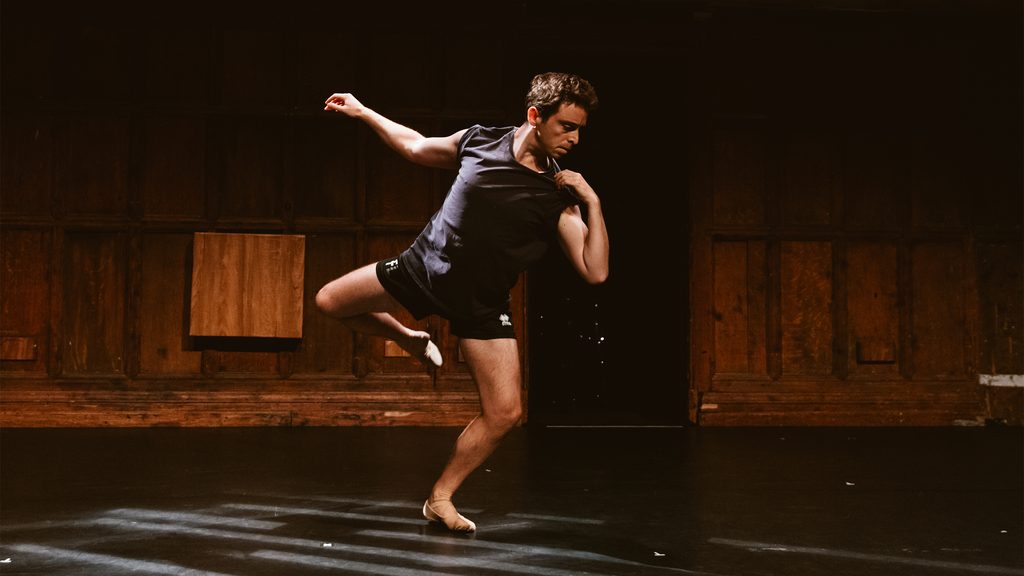
Image Credit: Daniel Hay-Gordon photographed by Rosie Powell.
Camp as Christmas brings together everything from Judy Garland to Reform UK. At a time when politics can feel relentlessly confrontational, what can camp, humour and outright absurdity achieve that more serious forms of protest can’t?
Humour is both disarming and uniting. The world and those destroying it are absurd; laughing in the face of so much adversity allows us to perceive and challenge better – we can make the likes of Trump fragile and powerless with humour. You can make him what he most fears to be viewed as, simply through some camp theatrics and in turn, reveal who he is. As queer people, humour and satire can be our best tool against the bullies and bigots. We take the creation of humour in our work seriously but never the delivery.
Your journey has taken you from London’s queer cabaret scene to a world premiere at the Southbank Centre. How much of that early underground spirit are you bringing into Camp as Christmas, and what are you particularly excited to unleash on the Purcell Room stage?
Camp as Christmas feels like a return to our roots. It’s packed full of camp icons, big numbers, ridiculousness and joy. We have designed it as a cabaret/variety show, full of twists and turns, surprises, spectacle and delights.
When we began making work, our aim was to be entertaining and accessible to as many people as possible. We trained at Rambert which was a rigorous and traditional education in ballet and contemporary dance. Once we graduated, we both began searching for communities outside of dance and were both drawn to queer culture. Where we went out and who we hung out with influenced our early work and still does. The work we make is based on the communities we are a part of, rather than making work and then finding a community to come and watch.
I’m excited for people to see each character in this show, they really are all blinders. We’ve done something rather special with each one of them. Right now, I cannot stop thinking about the ‘Consumerist Santa’ number I made with Annie Edwards to Ariana Grande’s ‘7 rings’… you’re going to lose it when you see it…so good!!
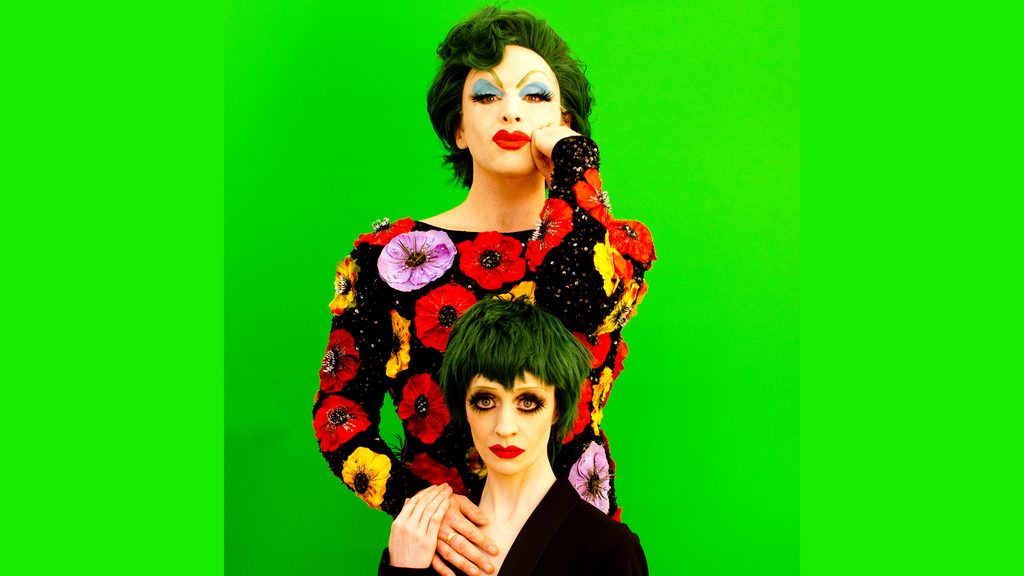
Image Credit: Thick & Tight, ‘Camp as Christmas’, photographed by Darren Evans.
Which three cultural places in London hold a special place in your heart, and why should Run Riot readers discover them?
The Triangle in Deptford is an inclusive and multi-generational space for the LGBTQI community. We have performed there a few times and have loved it. It’s totally unique, friendly, has a great bar and programmes fab events.
Wigmore Hall is a Victorian concert hall that I go to, mostly on my own, to listen to live classical music. You’re surrounded by quiet older people, who also enjoy sitting down for a couple of hours to listen to incredible musicians.
Duckie is an old favourite of ours, presenting not only club nights, but a whole range of community engaged programmes, events and parties. We have performed at their nights, and Posh Clubs (a glamorous performance and social club for older people) for years now and probably wouldn’t be doing what we’re doing without their influence and support.
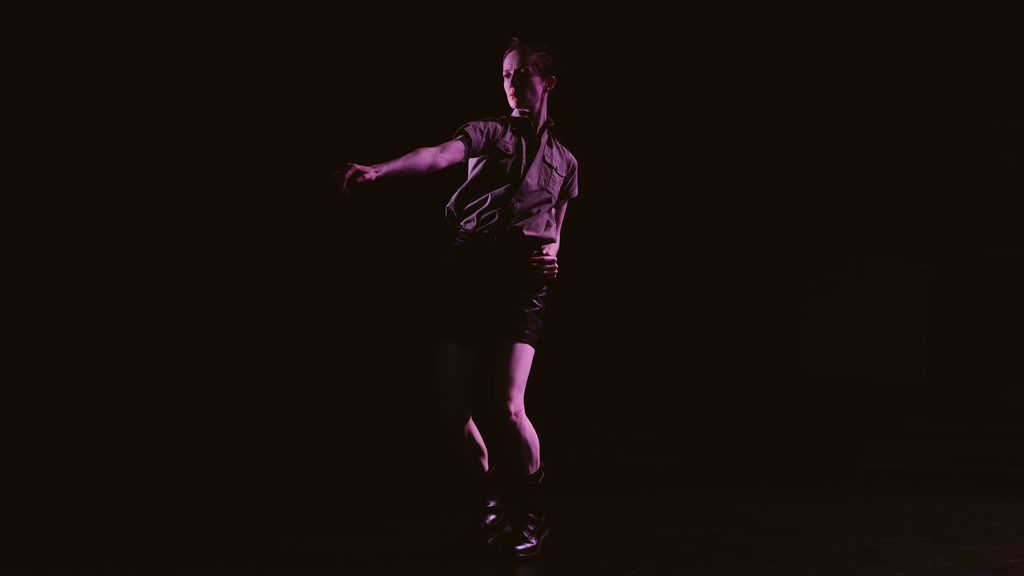
Image Credit: El Perry photographed by Rosie Powell.
Enter El…
Before Rambert, before Thick & Tight, what first sparked your creative imagination, and was there a particular person, place or experience that made you realise dance could become your way of expressing yourself?
My parents were actors so I grew up seeing how creative imagination could be at the heart of a person’s life, and could accompany all the different ages and events that we live through. I was often taken to see my parents and their friends in shows of all kinds. It felt like a natural step to think about becoming a performer myself.
I started dancing at my local dance school in South London, called the McAlpine school of dance, run by a family of dancers. They were all passionate about dancing and performing. It was a wonderful place (and still is!) and felt like somewhere I was encouraged to be expressive in ways that suited me. Local dance schools like theirs are so important, and have a huge impact on the lives of so many people, whether you end up becoming a dancer or not.
Christmas can be a time of togetherness, but also one of loneliness, expectations and feeling like an outsider. What does Camp as Christmas say about belonging, and what kind of experience would you love audiences to take away from the show?
I’ve had some wonderful Christmases in my time but I tend to hate it more and more! That forced fun and group festivity isn’t really for me and always seems to highlight whatever people are struggling with. Camp as Christmas isn’t a traditional Christmas show and I really hope it gives people some release from whatever it is they are supposed to feel. We want it to feel outrageous and excessive and tender.
As a queer company we are continually thinking about what it means to belong and how we can make sure as many people as possible feel welcome and comfortable at our shows. This influences the content and atmosphere of our shows and what our work says about our society. It has also led us to try and make our work more accessible in various ways, including using captions, partial audio description, BSL interpretation and relaxed performances. The incredible Tink Flaherty is our Access Coordinator, supporting us with this work.
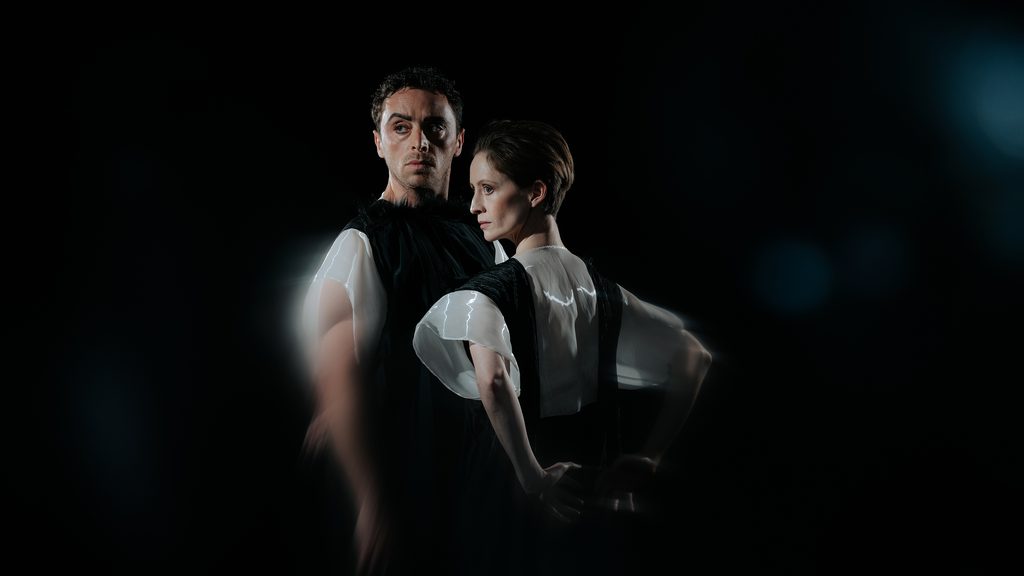
Image Credit: El Perry photographed by Rosie Powell.
You’ve brought together some extraordinary collaborators for Camp as Christmas, including Annie Edwards, Harry Alexander and Tim Spooner. How do their individual personalities and creative instincts shape the production, and can you share a moment when someone’s contribution took the show somewhere you hadn’t imagined?
When Dan and I bring in performers to work with, we choreograph specifically for them, with their personalities, skills and bodies in mind. Harry and Annie are both incredible artists who we’ve worked with before. They are both fabulously talented and it’s a huge privilege for us to have them in our work. They inspire us to create and they interpret our work with care and flair! We want to give them roles that they’ll love and which show the range of their brilliance; we hope we’ve done that with Camp as Christmas.
We are working with some extraordinary people for the design of the show too – Tim Spooner and Claire Ashley on set/costume, Darren Evans on hair and make-up, Nao Nagai on lighting and Danny’s mum Sheila Hay on props. Each of these people is hugely experienced, fantastically skilled and brings a unique flavour. All our Christmases have come at once.
A contribution from Annie which we hadn’t imagined was the appearance of a merkin at one point… Festive treats galore.
Film credit: Thick & Tight’s excellent showreel full of fabulous turns.
Where are your three favourite cultural places in London, and what makes each one personally meaningful to you?
It’s not in a fixed place anymore, but I’d say Duckie is central to London’s culture scene for me. Duckie runs various events, night clubs and social clubs. I’ve met so many people through Duckie, when working there or as a punter. They’ve supported our work from our early days and being connected with them has had a huge impact on my life.
I love the Garden Museum in Lambeth. I’ve got a few lovely plants from there and my parents both volunteered when it was being set up so I like to think of them there in the 70s.
Lastly, I’d say Southbank! We’ve been involved in several shows there in the last year and it’s been a really exciting time for us. We can’t wait to be making ourselves at home in the Purcell Room over Christmas, we love it in there!
Find Daniel Hay-Gordon and El Perry at thickandtight.com and on Insta @thicktightdance
See their work IRL →
Thick & Tight: Camp as Christmas
Southbank Centre (Purcell Room)
Thu 10 Dec 2026 – Sun 3 Jan 2027
Tickets & Info → southbankcentre.co.uk