
Rachel Millward on AI, Power and the Future of Culture
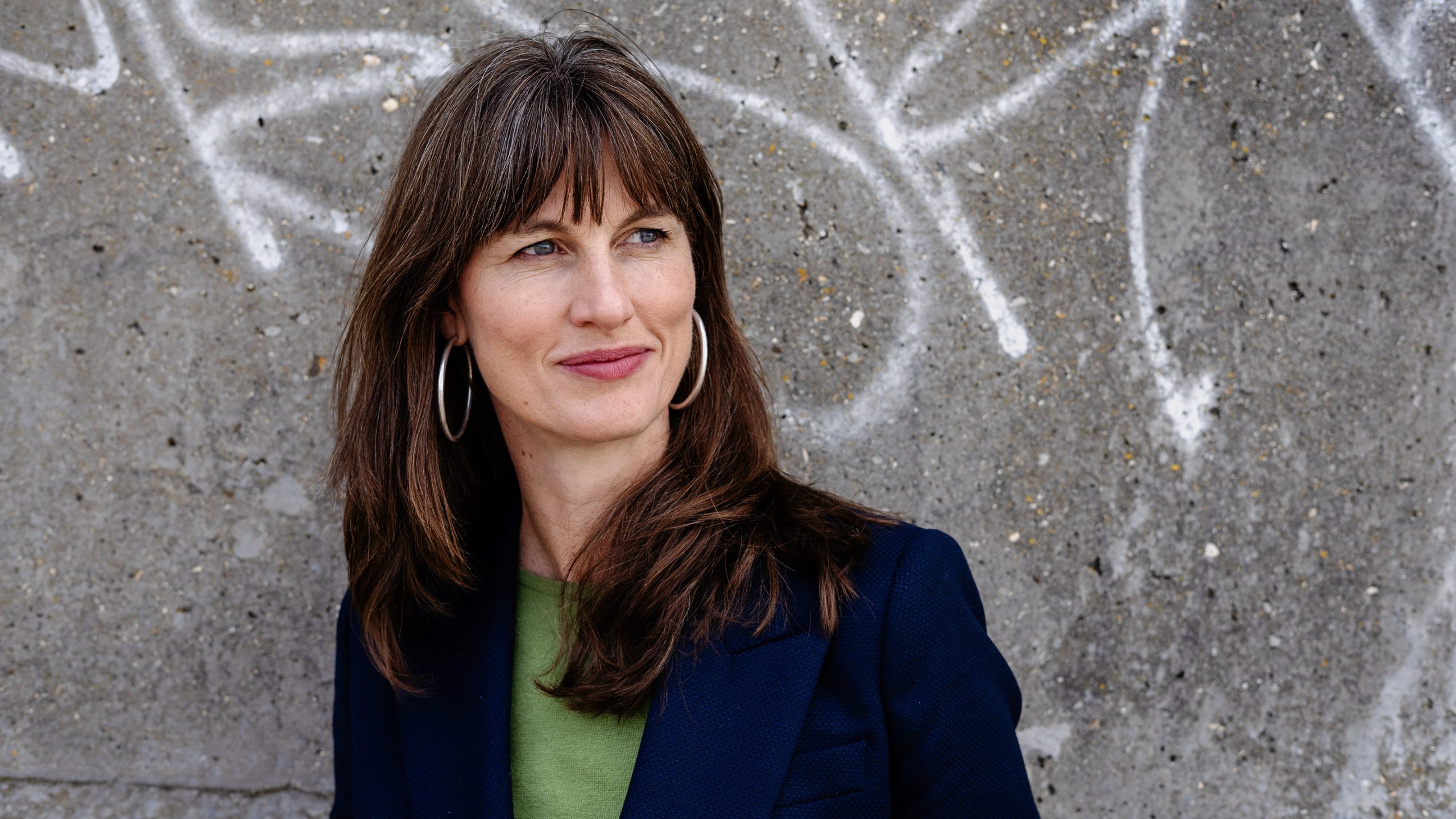
Image Credit: Rachel Millward, Green Party Deputy Leader and Spokesperson for culture, sport & digital inclusion.
Rachel Millward is Deputy Leader of the Green Party of England and Wales and the party’s spokesperson for culture, sport & digital inclusion – working at the intersection of policy, power, and the cultural life of the UK.
For long-time Run Riot readers, Rachel will already be a familiar voice. We first met her in 2009 as co-founder and Director of Birds’ Eye View Film Festival – the pioneering international platform championing women filmmakers – before reconnecting during her time at The Old Church in Stoke Newington and later with Sam Lee’s The Nest Collective. Along the way, she’s been recognised with a Clore Fellowship, named a World Changing Woman by The Guardian, and listed as one of Arts Council England’s 50 Women to Watch.
Since entering politics in 2021 as a councillor in Wealden, Rachel has moved quickly – becoming Deputy Leader of the Green Party in September 2025 and, a month later, being selected as the party’s candidate for Mayor of Sussex and Brighton in 2028. It’s a trajectory that reflects a broader shift: from building cultural platforms to shaping the systems that govern them.
This conversation takes place just weeks ahead of the May 2026 elections, and stays rooted in the questions around culture and digital inclusion that matter now: from AI and algorithmic culture to the future of grassroots venues, access, and creative labour. We also revisit the early experiences that shaped Rachel’s worldview, and ask for her current London recommendations – spaces where culture has heart and feels alive.
Read on.
Before the politics, before Birds’ Eye View Film Festival – take us back to the early chapters. As a kid, a teenager, and into your twenties, what were the moments – films, people, places – that really stirred something in you? And looking back now, what values or instincts from that time still shape how you see the world?
My first protest was anti-apartheid, outside the RSC in Stratford-upon-Avon. The South African ambassador was coming over to celebrate Shakespeare’s birthday. I was 8 years old – it was 1985. We sang “Free Nelson Mandela” and waved our banners. It felt good to stand up against injustice happening somewhere far away.
I loved the ants that climbed up and down blades of grass in my garden. And woodlice – mini dinosaurs. But earwigs were the best. I never see earwigs anymore.
I played viola with Coventry Youth Orchestra. Despite the vicious jokes(!), it’s the best instrument to play – you sit right in the heart of the sound. I still remember the intensity and emotion of Malcolm Arnold’s Peterloo Overture, honouring the lives lost in Manchester in 1819, when cavalry charged a peaceful crowd who had gathered to call for democratic rights. Eleven people died, 400 were injured. The overture ends in triumph – in the firm belief that all those who’ve suffered for humanity and equality will not have done so in vain.
At 15 I went to a World AIDS Day Concert of Hope at Wembley. David Bowie compèred, George Michael sang, but the person who blew me away was kd lang. She strode around the stage in white layers and heavy black boots with a raw feminine power I had never seen before. She redefined “woman” for me that night. I am so happy to see so much more diverse women’s power on music stages these days!
Kill me, but I got to see Jeff Buckley at Reading Festival when I was 17, before anyone knew who he was.
When I was 18 I moved to London and worked as a volunteer carer on an independent living scheme for a woman with disabilities. I got to share the flat above hers, work alternate 24-hour shifts, learn to cook and clean, and navigate London’s access problems – this was before buses could take wheelchairs. I had £50 a week to eat and explore the city. Thirty years on, we’re still friends. Sadly the scheme is no more, and her care is now much more stressful and limited.
I was probably 20 when I sat on the floor of a gallery in front of a massive Anselm Kiefer painting and sobbed. I had no idea a painting could do that to you.
Films that have stayed with me: Ma Vie en Rose – the story of a gender non-conforming 7-year-old navigating a world that doesn’t know what to do with them. Deepa Mehta’s Fire – India, oppressive fundamentalism (Buddhist, for a change!), and lesbian liberation. Oh and the most immersive cinema experience I’ve ever had: toss up between watching Speed on an overcrowded bus hurtling on untarmaced roads in Tanzania, and watching Kidulthood by myself in Holloway Road cinema filled with black teens. The thrill of relating to the people you see on screen was never louder!
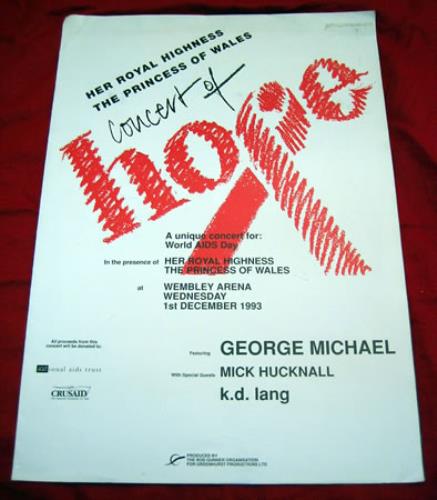
Image Credit: Concert of Hope at Wembley Arena in London to mark World AIDS Day December 1, 1993.
AI is starting to feel less like a tool and more like a new layer of power – shaping what we see, what gets made, and who gets paid. From a culture and digital inclusion perspective, who should be accountable for that power – and how do we make sure artists and audiences aren’t just subject to systems they don’t control?
Right now, AI companies are accruing extraordinary political and financial power, fast. And many of the people leading these firms hold genuinely dangerous, anti-democratic views. Palantir Chairman Peter Thiel has said openly that he no longer believes freedom and democracy are compatible. While AI has the potential to do enormous good, there’s a real risk that the harms are being waved away by a government so desperate to kickstart economic growth that it isn’t asking the hard questions.
Ultimately, AI systems need three things: compute, data, and people. We need to protect the data of artists and audiences – by vigorously defending the UK’s copyright framework and campaigning for a licensing-first approach. Collective bargaining, strong unions, and sector-led standards can help redress the power imbalance. But we also need to be honest that this is genuinely complex, and we should be investing in much more research and experimentation at the intersection of culture and AI – not just handing it over to the market and hoping for the best.
The UK has built new AI institutions – the AI Security Institute, ARIA, the Sovereign AI Fund – but these are focused on science and entrepreneurship. Culture is missing from the picture entirely. We may need something new: a public institution specifically built to grapple with AI and culture. Think of it as the Channel 4 of AI – experimental, risk-taking, public-minded.
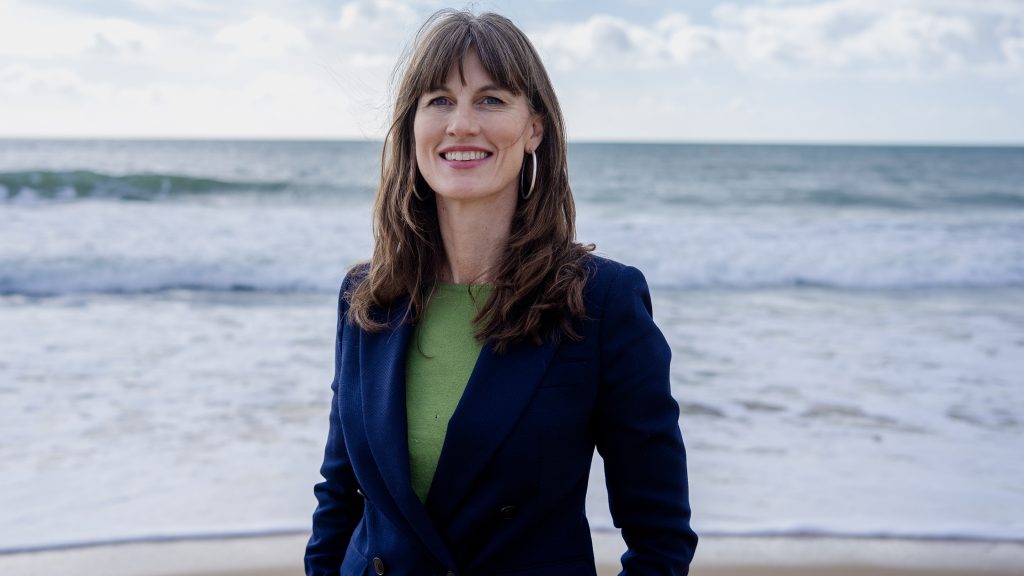
Image Credit: Rachel Millward, Green Party Deputy Leader and Spokesperson for culture, sport & digital inclusion.
For artists, writers and musicians, AI raises a more existential question: their work is being used to train systems that could ultimately undercut them. What does fair protection of human creativity actually look like in 2026 – and do you think policy is moving fast enough to keep up?
Our creative industries are among the most valuable cultural assets we have. The sector contributed £146 billion to the economy in 2024 and supported 2.4 million jobs. Strong copyright protections are what make that possible – they ensure creators are remunerated for their work, and that their data is used fairly and transparently. If we give up control of that data by weakening copyright law, we forfeit our strategic advantage for very limited gain.
And policy is absolutely not moving fast enough. By continually kicking the can down the road, the government is effectively handing power to a small number of US Big Tech firms, while slowly hollowing out our creative economy and undermining our long-term digital sovereignty.
The Green Party has called on the government to rule out any future weakening of copyright law, and to urgently introduce transparency requirements on AI developers. We believe this would actually drive growth in the licensing market – which is currently being held back by the government’s indecision. This isn’t anti-innovation. It’s pro-fairness. And ultimately, you cannot have a thriving AI creative economy if you’ve destroyed the human creativity that feeds it.
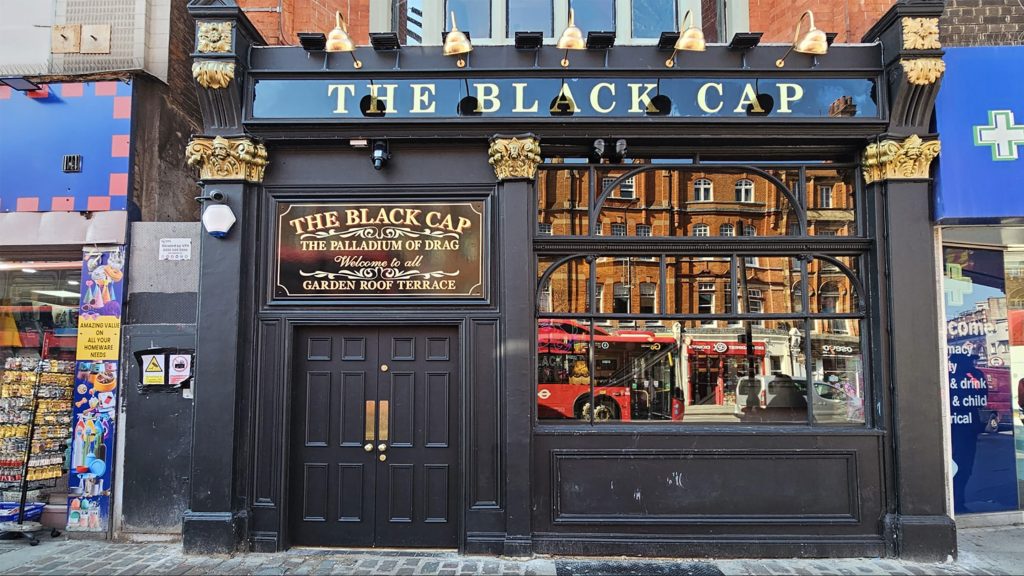
Image Credit: The Black Cap in Camden, re-opened on Saturday, 21 March, 2026 after a 11-year campaign to protect it from property developers. blackcapcamden.co.uk
London’s grassroots venues – clubs, theatres, DIY spaces – have been through a lot, but there’s also a sense of new energy in parts of the city. From your perspective, what’s really changed on the ground – and what still needs to shift at a policy level to help these spaces survive and evolve?
Grassroots venues aren’t just the beating heart of the creative industries – they’re essential social and economic infrastructure. The places where artists first perform, where communities gather, where scenes are born. And right now, they’re being taxed using valuation models designed for pubs and retail, which leads to massively inflated business rates that bear no relation to how these spaces actually operate. In the short term, the government needs to provide meaningful business rates relief to stop beloved venues closing. In the medium term, there needs to be structural reform of the Valuation Office Agency’s methodology, because it simply isn’t fit for purpose.
There are some genuinely hopeful models worth scaling. The A House for Artists scheme in Barking and Dagenham gives artists rent reductions in exchange for delivering community arts activity. The Creative Land Trust is buying creative workspaces across London to protect them from redevelopment. Hypha Studios have a brilliant model of repurposing empty high street space for exhibitions and performances. The upcoming tourism levy could be genuinely transformative – if a meaningful proportion is ring-fenced for cultural infrastructure, it would represent one of the most significant new income streams for culture in years.
The Black Cap in Camden – the “Palladium of Drag” – has finally reopened after an 11-year campaign, bucking a trend that saw more than half of London’s LGBTQ+ venues close between 2006 and 2022. That means the community can return home, reconnect with history and with the familial bonds which were created in that place. This is evidence of communities fighting back. Policy needs to make that fight less exhausting.
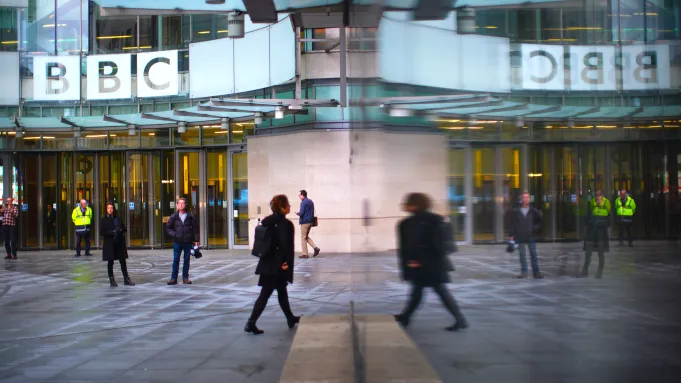
“The next BBC Charter is a real opportunity: meaningful devolution of commissioning power to the regions – not lip service, but actual budgetary control” ~ Rachel Millward
So much of cultural discovery now happens through feeds and algorithms rather than scenes, communities or editors. What do we lose when culture is filtered this way – and what responsibility do policymakers have to make sure independent voices don’t get buried?
What we lose is the friction. And friction is what shapes you. It’s the moment you wander into a gallery not knowing what you’re looking for and ending up lost for hours in silent rapture. It’s the record a friend forces on you that you hate for two weeks and then can’t live without. It’s the subcultural scene where people find each other – and in finding each other, build something collective, political, alive. Algorithms sand all of that down. They give you more of what you already are, rather than introducing you to what you might become.
Researchers studying music streaming have found that platforms don’t just personalise – they narrow. People think they’re discovering eclectically; they’re actually circling the familiar. And the system structurally favours Anglophone content, major-label catalogues, and whatever engagement metrics deem “safe.” Independent, genuinely strange voices get buried – not by malice, but by design. What we get instead is fragmentation and individualism rather than shared cultural experience. We stop having the same conversations. We stop being surprised by each other.
There is absolutely a role for public institutions here. The BBC isn’t perfect, but it remains a cornerstone of what we have – a place where editorial judgment, not engagement data, decides what gets made. Policymakers need to protect it and future-proof it. The next BBC Charter is a real opportunity: meaningful devolution of commissioning power to the regions – not lip service, but actual budgetary control – would help surface voices that platforms will never find.
The question of who gets discovered is never neutral. It’s always a question of power. Right now, that power is held by a small number of US tech corporations optimising for engagement, not for human flourishing. Policymakers who care about culture need to name that plainly – and act accordingly.
Rachel Millward founded Birds Eye View Film Festival in 2002. In 2015 it evolved into Reclaim The Frame which continues to champion films by filmmakers of marginalised genders and equity in all cinema spaces across the UK.
You’ve spent years building platforms for other people’s work. When was the last time something stopped you in your tracks as an audience member – something that reminded you why culture matters in the first place?
Honestly, I don’t think I ever forget why culture matters. It has been a phenomenal privilege to platform so many incredible filmmakers, musicians and artists over the years. I did all of it because I believe that art in all its forms is what makes and keeps us human – it connects us to each other and to our shared humanity. It’s how we work through grief and pain and struggle, but it’s also how we imagine our way to a brighter future.
Birds’ Eye View was about a vision of equality. I figured that by immersing audiences in a rare oasis of women’s vision in cinema – at a time when only 7% of filmmakers were women – a deeper sense of equality might embed itself and actually change perceptions of gender. We certainly rode a wave of change. The Nest Collective is about bringing people back into connection with each other and with nature: gathering outside with music, sometimes with birdsong. So simple, but deeply transformative. Many people said it felt like a homecoming. Culture is how we belong.
But to your question: Elgar’s Dream of Gerontius, just last week, took me straight back to my dad’s deathbed. The experience was visceral – I could do nothing but surrender to the memories and the grief. I quietly sobbed and desperately wished I’d brought a hanky! But I also felt closer to my dad, to myself, to the mystery of being a person, temporarily on this planet. There’s something in the collective exploration of universal experiences – grief, love, awe – that is comforting even through pain.
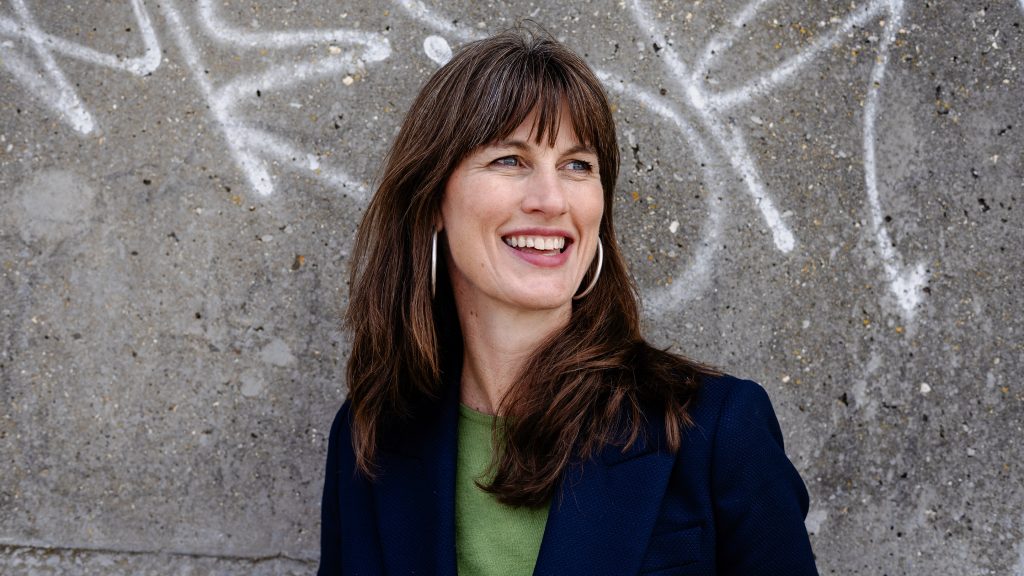
Image Credit: Rachel Millward, Green Party Deputy Leader and Spokesperson for culture, sport & digital inclusion.
What are your hopes for arts and culture over the next few years – and what would meaningful progress actually look like?
The threat of the far right is real right now, and it is utterly incompatible with thriving arts communities. As Bob and Roberta Smith says, There is Still Art, There is Still Hope. Culture is a vital part of the truth-telling movement that will push back against the hate and revive us with constant reminders of our shared humanity and our collective power.
But properly supporting the arts requires confronting the economic model head-on. It’s inextricably linked to the affordability crisis. Wages are historically low in the cultural sector. Many arts organisations have been on a funding freeze for years. Employment is increasingly freelance and precarious. And rent is so eye-wateringly high that practitioners are being forced to leave the cities where the work is. So the Green Party policies that combat the affordability crisis – rent controls, energy price caps, a genuinely social approach to housing, investment in renewables – these are arts policies too. And whilst we’re working toward that system change, which a Green government would bring, we can act now to define creative sector workers as key workers across London, improving their eligibility for more affordable housing.
And we must urgently address the loss of arts in education. Creativity need to return to the heart of the mainstream curriculum. Not as a luxury. As a foundation for childrens’ brain and social development. In our AI future this makes more sense than it ever did.
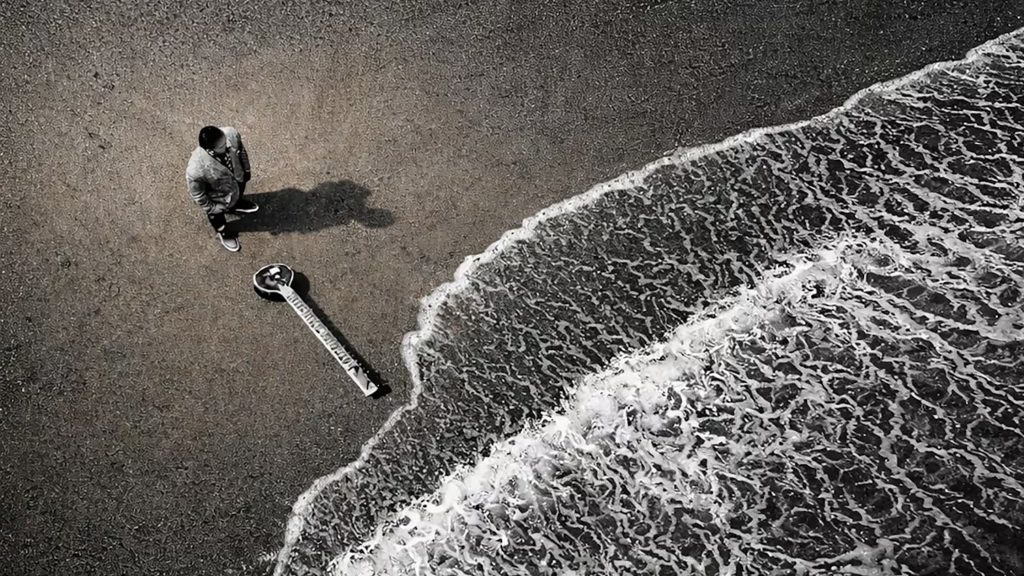
Image Credit: The zerOclasikal project was set up in 2013 as platform for a radical approach to south Asian classical music – see them live at the Southbank Centre on 24 May 2026. southbankcentre.co.uk | zeroclassikal.org.uk
Right now, which three London culture spaces or communities feel vital to you – places where something urgent, strange or beautiful is happening?
It is wonderful news that The Black Cap – the “Palladium of Drag” – has reopened in Camden after an 11-year campaign. That’s a remarkable act of community persistence, bucking a trend that saw more than half of London’s LGBTQ+ venues close between 2006 and 2022 – from 125 down to just 50. Such history, and so familial. I’m delighted it has a home again.
Brixton is fighting to keep Club Silly and the Bureau of Silly Ideas, after property developer Arch Company wrongly declared their site derelict. These Silly Ideas are seriously good for us, and the fight to protect them is the fight to protect what makes cities worth living in – culture over profit, people over development.
And a genuinely hopeful story: the community of learning disabled artists is blossoming. Nnena Kalu’s Turner Prize win was a signal moment, but organisations like Action Space, which has been providing studio space and exhibition opportunities for artists with learning disabilities for years, deserve equal recognition. The arts industry is finally catching up and appreciating the contribution of this community.
I’d add a fourth, because it deserves it: zerOclassikal, a new recording studio in north London dedicated to contemporary South Asian classical music. Brilliant to see that even in these deeply challenging times, artists are finding ways to create.
Find Rachel Millward at rachelforsussex.co.uk and on Insta @millward_rachel
From the Run Riot archive: Rachel chatted to actor and writer Gemma Whelan (Game of Thrones, Killing Eve, DI Ray) about the Birds Eye View Film Festival (3 March 2009) and again on 20 February 2011, with writer Sheena McKenzie. On 16 February 2016 Rachel talked to writer Honour Bayes about ‘BREATHE: A celebration of air‘ – a festival at The Old Church, Stoke Newington where she was Director.