

Justine Simons on 10 Years Shaping London’s Cultural Landscape – and What Comes Next
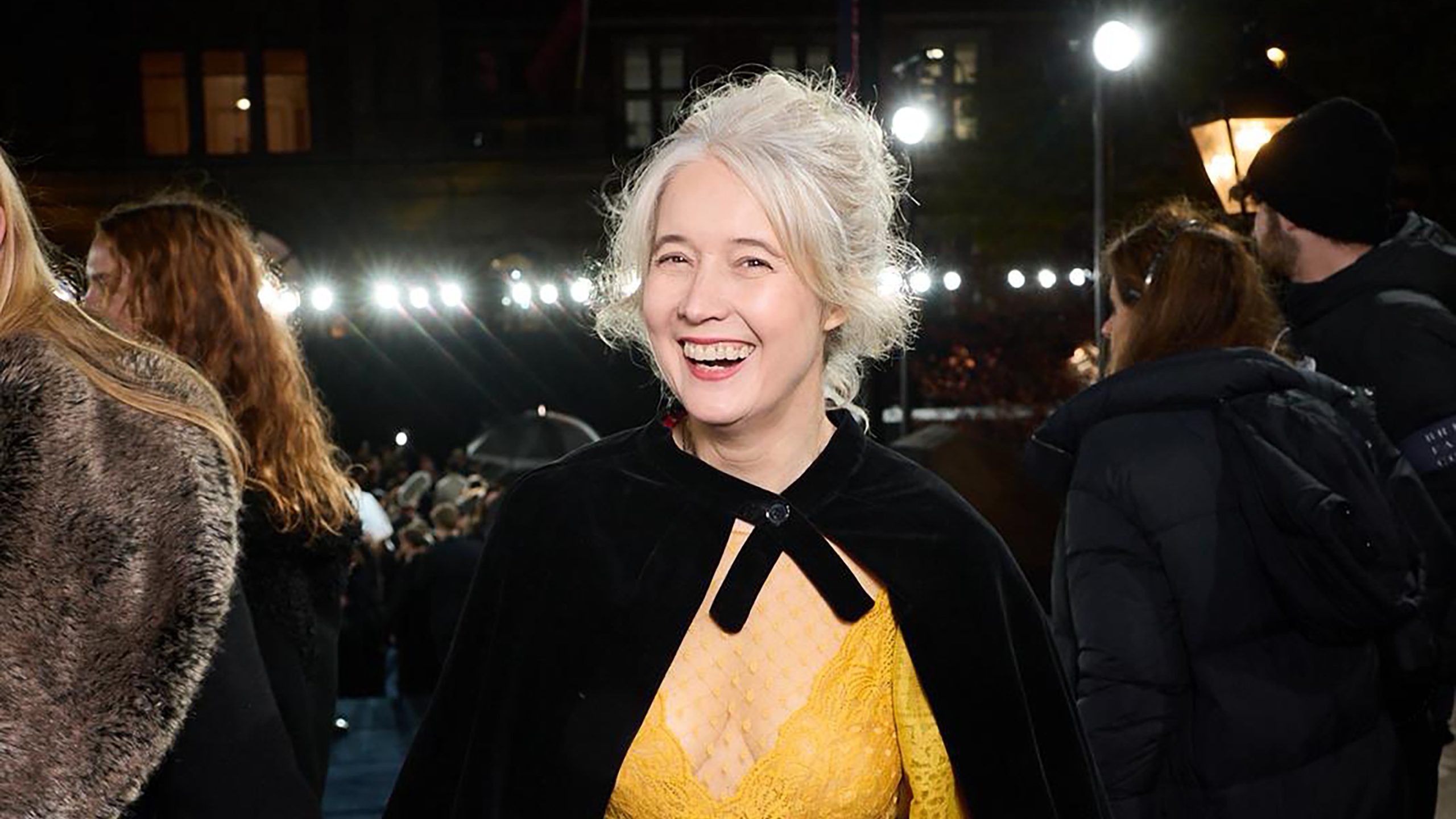
Image Credit: Justine Simons OBE. Photographed by Shaun James Cox, British Fashion Council. shaunjamescox.com
Justine Simons OBE is London’s Deputy Mayor for Culture and the Creative Industries and has played a major role transforming the capital’s cultural landscape. She was appointed by Sadiq Khan in 2016 who was the first London Mayor to declare culture a core priority. This month (May 2026) marks a decade in office and over that time, Sadiq and Justine have established East Bank, London’s newest cultural district, grown the creative industries from fashion to film, design to games, and stemmed the collapse of artist studios. They have celebrated art on our doorsteps through the London Borough of Culture and kept us on our toes with bold art on Trafalgar Square’s Fourth Plinth. In celebration of this milestone, Justine speaks to Run Riot.
Raised in Stoke-on-Trent in a creatively charged household – her father a musician, her mother a self-taught dressmaker – Justine’s route into the arts wasn’t institutional, but instinctive. Dance, discovered young, became both outlet and entry point: a way to “express myself and my ideas… and bring a creative project to life”. That early experience – of culture as something lived, shared and made – still underpins her approach today.
A decade into the role, her perspective is both pragmatic and ambitious. Reflecting on the past ten years, she points to the sector’s resilience, inherent adaptability and capacity for innovation.
So what’s next? Justine’s mindset continues to think bigger with delivering for the times we’re in – navigating everything from AI disruption to global competition.
London is where creativity doesn’t just survive – it accelerates and thrives. Where new voices break through, and culture continues to shape how the Capital feels, moves and connects. Read on, get inspired – and then step out into the worlds greatest city and live it! Looking for where to go? Justine’s got your back – read on for her tips, and a whole load more.
When did your passion for culture and the arts begin?
Creativity has been a part of my life from an early age. I grew up in Stoke-on-Trent, the home of the potteries, and my home was a very creative space. My dad is a professional musician and my mum a self-taught dressmaker alongside her career as a social worker.
I am so grateful to my parents, who gave me the freedom to follow my nose. There was zero academic snobbery in our house, they just wanted me to do things that made me happy. And that thing was dance. Discovering dance at primary school was a real turning point – a way to express myself and my ideas, to work as a team, to bring a creative project to life. We can develop pretty much all the essential life skills through the arts.
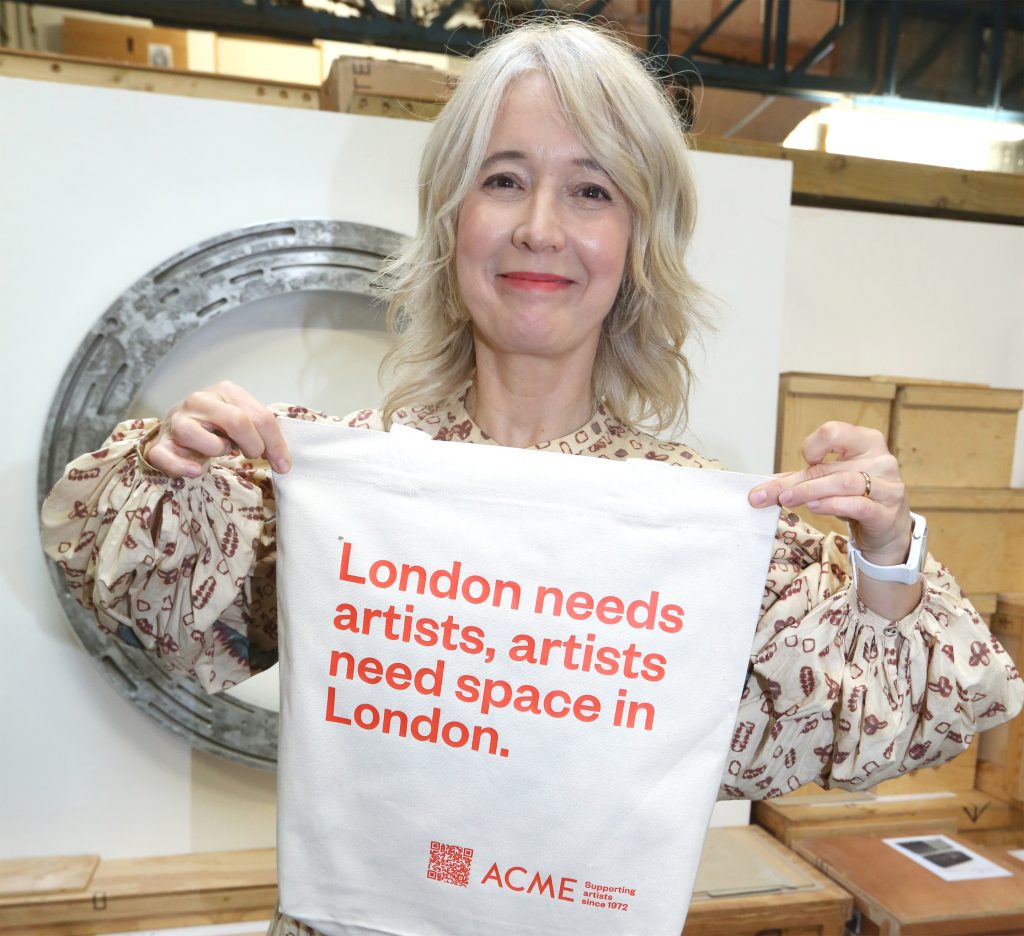
Image Credit: Justin Simons PBE. Photographed by James O Jenkins at ACME Propeller Factory for Greater London Authority. jamesojenkins.co.uk
Do you think it’s important that young people have access to the arts? How is City Hall ensuring this happens and what opportunities are there for young people today to explore careers in the creative industries?
In my view, access to culture and the arts is a human right. It has the power to give people a voice, encourage empathy and understanding, bring communities and nurture our souls! As well as more tangible things like generating hundreds of thousands of jobs and driving tourism.
City Hall is doing a host of things to support young people on their creative journey, but my favourite has to be the Fourth Plinth Schools awards. Now in its 18th year, over 40,000 children from every London borough have produced artworks they would like to see as public art. They are fantastic, celebratory, funny and profound – covering topics from climate change to Paddington Bear. The quality of their thinking and their passion gives me hope we will be in safe hands for the future!
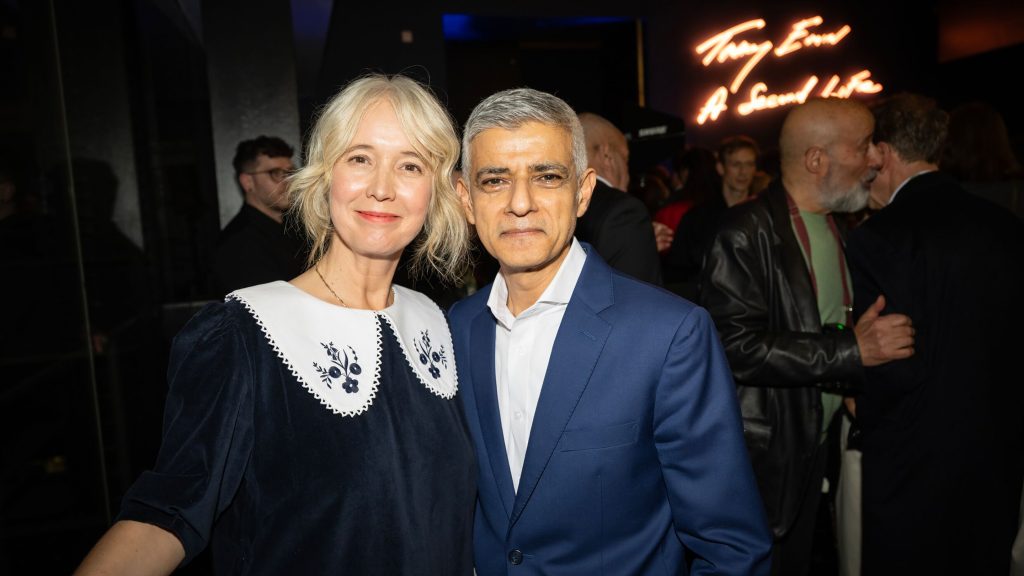
Image Credit: Justine Simons OBE with Mayor of London, Sadiq Khan. Photographed by Caroline Teo at Tracey Emin’s A Second Life for Greater London Authority. caroline-teo-rwzd.format.com @cteophoto
Ten years working as Sadiq’s Deputy Mayor for Culture and the Creative Industries, what’s the one thing about the job that’s genuinely surprised you – and what would you approach differently if you were starting again now?
Sadiq is the first Mayor to make culture a core priority and that has allowed us to be very ambitious. He really understands the power of culture in London. He needs no persuading on its importance and the role it can play in driving our economy and the value it brings to our communities.
Since he became Mayor, Sadiq has raised the ambition for culture in London. We’ve accomplished so many great things, realising East Bank, London’s newest cultural and education quarter, is a legacy of the London 2012 Olympics. Stratford is now home to some the country’s biggest and important cultural spaces including V&A East, Sadler’s Wells East, UAL London College of Fashion, BBC and UCL East. We’ve invested millions to protect and create affordable artist studios in London through our Creative Enterprise Zones stemming the decline of artists’ studios in the capital.
If I were starting again, I would think even bigger and braver with our ideas, because what the last ten years have proven, is that due to their inherent adaptability, rapid digital transformation, and capacity for innovation during crises the cultural industries community are resilient and can realise big ambitions when we set our minds to it.
During your ten years working with Sadiq, what is your biggest achievement at City Hall?
I’m hugely proud that under Sadiq’s leadership we have helped to deliver East Bank – our capital’s brilliant new culture and education district at Queen Elizabeth Olympic Park, and the cultural legacy of the 2012 Olympics.
Delivering the Olympics is hard enough, but making sure the legacy promises are kept can be even harder – when the circus has left town and the budgets have been spent! Luckily for us, Sadiq fully backed the project and eight years ago he set out a vision to create a new culture and education powerhouse for our capital.
We’ve invested more than £600m as Sadler’s Wells East; UAL London College of Fashion; UCL East; V&A and BBC Music all join together. It’s brilliant to see East Bank blossoming into life, smashing visitor targets and featuring on ‘must see’ lists the world over.
I’m also hugely proud of our London Borough of Culture – celebrating culture in all corners of the capital. Waltham Forest, Brent, Lewisham, Croydon and Wandsworth have all delivered a step change in ambition for local culture. It’s grown civic pride, boosted local economies, brought communities together, boosted volunteering and supported grassroots culture. Haringey is the next borough to wear the crown, so mark it in your diaries.
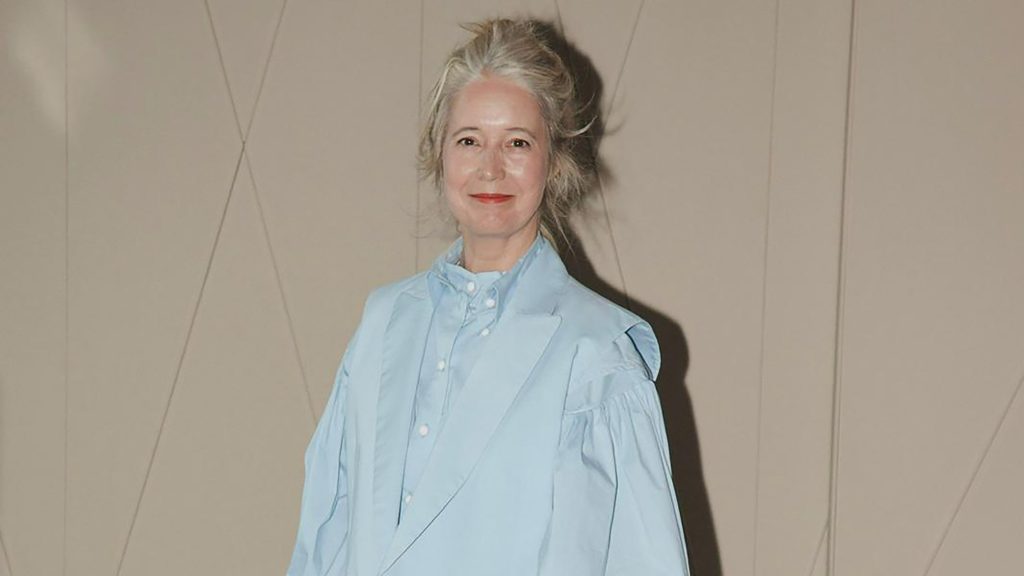
Image Credit: Justine Simons OBE. Photographed by James D Kelly at London Fashion Week. jamesdkelly.com @jamesdkelly
AI policy largely sits with national government – but the impact is already being felt by London’s artists and creative businesses. So what can you actually do about it from City Hall – and where do you think London can lead rather than just react?
There is no denying that AI developments are reshaping the cultural and creative industries – accelerating, disrupting, and making way for new forms of cultural expression, as well as transforming traditional ones. But we must get it right with tech in the creative industries, particularly AI. I believe passionately that we must value human creativity, not exploit it.
At City Hall, we remain realistic about its growing presence in all aspects of our life, we are pragmatic about the potential perils, but also alert to the potential. We are looking at the impact this technology might have on London’s labour market. The Mayor has just appointed Baroness Martha Lane-Fox to chair a new London AI and Jobs Taskforce to review and recommend how we can help from City Hall.
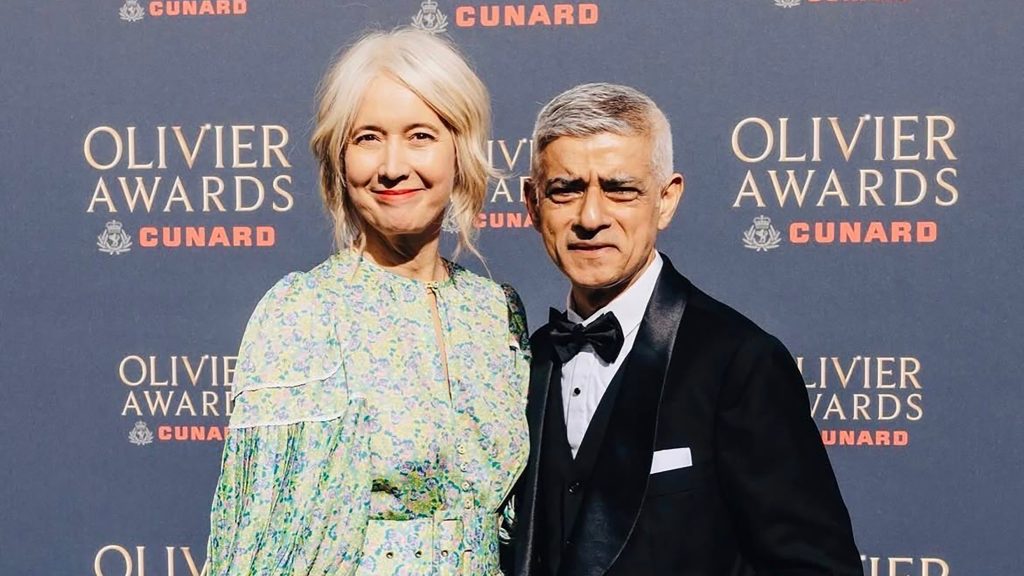
Image Credit: Justine Simons OBE. Photographed by Dave Bennett at the Olivier Awards. davebenettparties.substack.com @davebenett
Is London truly the cultural capital of the world?
Culture is the DNA of our city. It’s our identity as a city – our music, fashion design and art have defined us through the decades. Many global cities are known for a single creative discipline – a fashion or a design capital – what makes London really pop is the dynamism and interplay between the whole spectrum of creativity. Our top art colleges are an important part of our success, a magnet for talent around the globe and growing the next generation of creatives. Another major factor in our success is our diversity, London is the most international city in the world, with hundreds of languages spoken every day – the diversity of cultures and ideas is central to our success as a cultural capital.
London’s cultural, heritage and visitor attractions enrich our society, and our economy. London’s creative industries generate £64 billion a year and support one in five London jobs, while four out of five tourists say culture is the reason they choose to visit the capital. I’m sure Run-Riot readers will agree, it all adds up to a pretty strong case that we truly are the world’s cultural capital!
National programmes like UK City of Culture create big moments – but they’re often short-lived. London’s approach, through Creative Enterprise Zones and borough-level initiatives, feels more embedded and long-term. Is that actually more effective – and what should national policy learn from it, especially when it comes to supporting creatives?
Artists are the lifeblood of our creative industries and help to drive the economy, they need spaces to do their work and inspire one another. The fact is, artists need London, just as much as London needs artists. When Sadiq Khan became Mayor of London in 2016, London was in the midst of a significant loss of artist workspaces due to rising property prices and redevelopment.
I describe our work as ‘hardwiring culture’, making sure that as London grows and develops creativity is locked in, protected for the long term – and not vulnerable to rising rents for example. In practice ‘hardwiring culture’ is a whole programme of different ideas, from protecting artist studios, grassroots music venues and clubs in London’s planning system for the first time, to a bold experiment called Creative Enterprise Zones. There are now 12 Creative Enterprise Zones across London and their job is to deliver affordable creative space for the long term. The good news is they’re working and on track to deliver 80,000 square meters of new affordable workspace, helping the creative community to put down roots and build their businesses in local areas
Another vital piece of the jigsaw is our front-line support, which I like to call The Batphone. Its proper title is the Culture and Communities at Risk Office and our team offer advice and support to spaces in need and they have helped over 1500 cases since the pandemic alone.
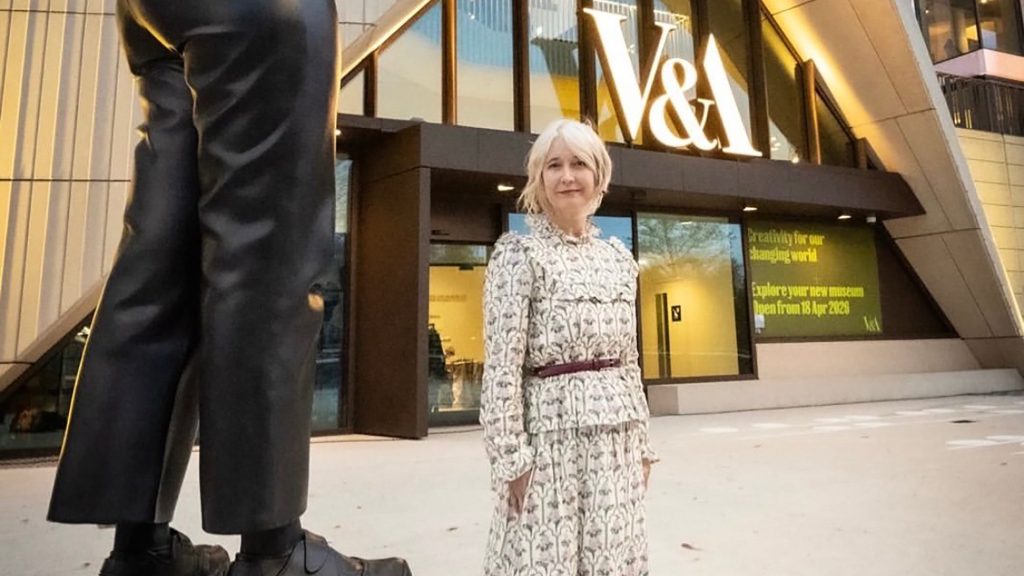
Image Credit: Justine Simons OBE. Photographed by Caroline Teo at V&A East for Greater London Authority. caroline-teo-rwzd.format.com @cteophoto
There’s no shortage of challenges – but also huge creative energy in London right now. Where do you see the most exciting momentum coming from – specific scenes, sectors or communities – and what gives you confidence the city’s cultural future is still a bold one?
Culture is the beating heart of our great city. It defines how London is perceived around the world and we have been working hard to champion these vital industries in the face of significant challenges. From our world-renowned institutions to grassroots venues, we are constantly evolving and innovating to remain the creative capital of the world, there are thousands of artists, venues, musicians, producers, designers, cultural organisations all working with such dedication – our creative workers are the absolute heroes behind the scenes.
Right now we are continuing our work to support London’s night-time industry. The Mayor has set out bold new proposals to strengthen licensing practices and support London’s vital hospitality and nightlife industries, after the Government announced a pilot to give him licensing powers to help boost the capital’s night-time economy.
Our Summer Streets scheme is also back this year. It’s £400,000 support for local businesses to create welcoming outdoor dining and cultural spaces and encourage councils to license outdoor dining and later opening hours. It is part of our bold plans to support the capital’s late-night economy because London is the best city in the world to enjoy in the summer!
Beyond the headline institutions, where are you finding energy in London right now? Which three cultural spaces or communities should our readers have on their radar this season?
Peckham Levels, Peckham: Cultural hub hosting lots of events including: Game Nights, Free Filter Friday London Tarot Meetup for Black Women + Gigs
Tara Theatre, Wandsworth – South Asian focused theatre
Rich Mix, Shoreditch: Grassroots cinema that also champions diversity through nurturing young talent as accessible rehearsal space
Chiswick House & Gardens – Garden hosting flea markets, gardening workshops, open-air theatre and more
Beckenham Place Park, Lewisham – Park that hosts Books in the Park, vintage markets and more
Hoxton Hall, Hoxton – Live music venue hosting great artists + community events like Strictly Hoxton / Hoxton Hub
Deptford Market Yard, Deptford – Market for food & drink + various local vendors
Quentin Blake Centre for Illustration, Clerkenwell – Not open yet but due to open 5 June – gallery focused on illustration with gardens and café
Woolwich Works, Woolwich – Multidisciplinary venue, hosting lots of dance / music classes for local community, plus talks & festivals
Find Justine Simons OBE at london.gov.uk and on Instagram @justinesimons
From the Run Riot archive: Justine chatted to journalist and writer Adam Bloodworth about launching the The London Borough of Culture scheme and the importance of a good deal with the EU (11 February 2020). Then on 3 November 2022, Justine chatted to writer and producer Ben Walters about the Covid Pandemic, amplifying London on the global stage, the monarchy, Gen Z, the trans community, and divesting arts funding from fossil fuel companies.
