
Clive Lyttle: Black Athena – challenging the roots of our civilisation
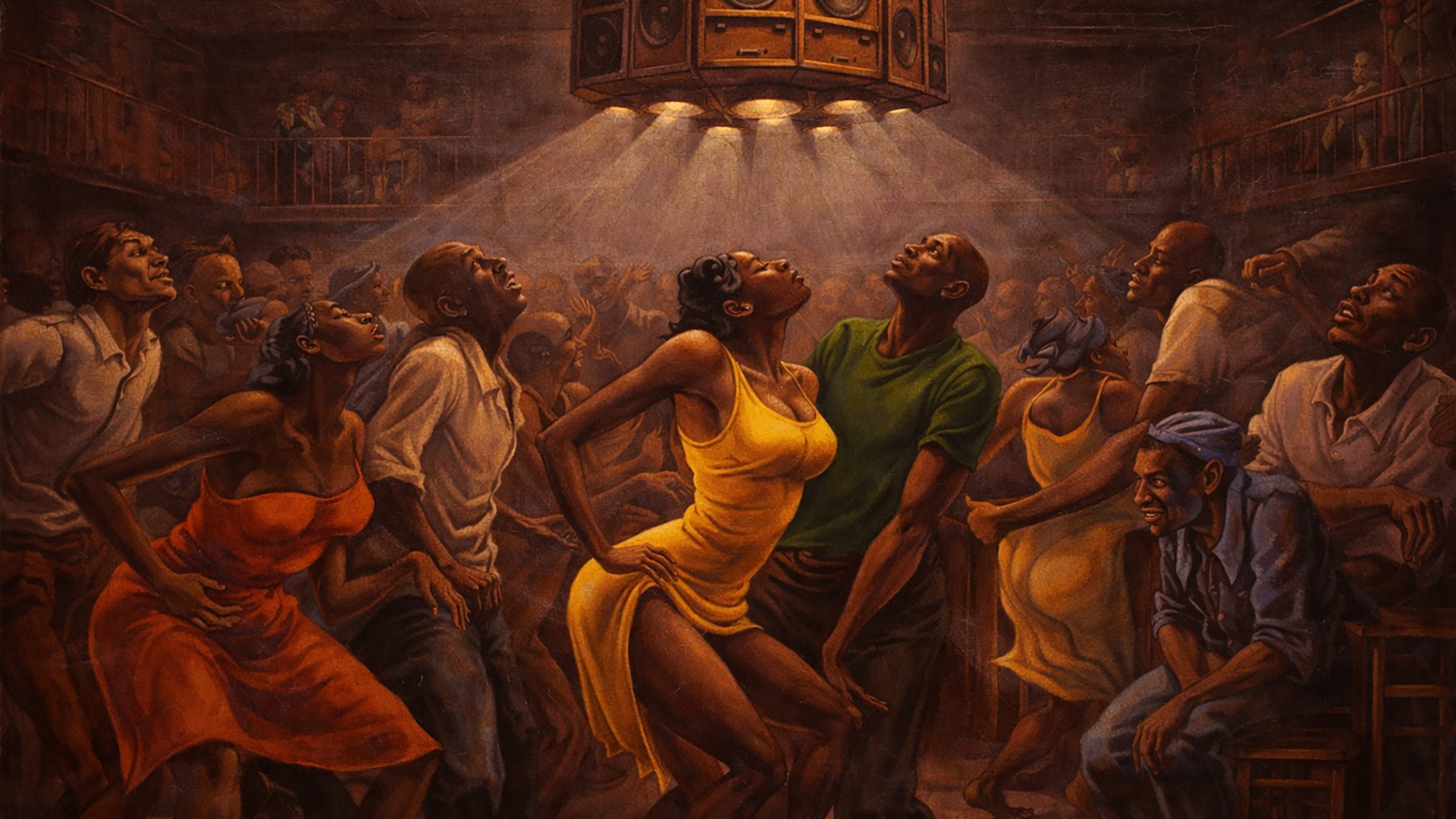
Image Credit: The Science of Dub, the festival launch event on Friday 13 March at Rich Mix.
When we ask Clive Lyttle to trace the roots of his artistic journey, he takes us back to his childhood, to a school hall in Lewisham – when the Albany Combination Theatre Company arrived with guitars, text and a mobile set that proved theatre could happen anywhere. More eye-widening moments continue – next at the National Theatre, watching Anthony Hopkins in Pravda, Clive was mesmerised by physicality and presence, and later through encounters with Crying in the Wilderness’ stage adaptation of Invisible Man, which crystallised the power of performance to confront history and identity.
Those early sparks evolved into Certain Blacks, the company founded by Clive in 2015 where he leads as its Artistic Director. It was named after the Art Ensemble of Chicago’s track ‘Certain Blacks – Do what they Want to!‘ – a guiding principle that still drives the organisation: supporting artists to make the work they want to make, not what is expected of them.
That ethos finds bold expression in Black Athena Festival at Rich Mix and The Place (13 March – 18 April) – a programme inspired by Martin Bernal’s radical reframing of cultural history. From the immersive dub landscapes of The Science of Dub to Livia Kojo Alour’s healing futurism in STÙRM, from Graffiti Bodies XV to international collaborations spanning Nigeria, Senegal and Japan, the festival feels urgent, expansive and defiantly global.
What was the first taste of ‘live culture’ (or collection of moments) that sparked your first steps toward what you do now?
There have been a couple of moments that have had an impact on my thinking about preforming arts. The first was a visit by the Albany Combination Theatre Company to my school in Lewisham, with a play about the working classes that included live music and guitars(!!), as well as text and performance – a very mobile set, the idea being that you can stage a play anywhere! The second moment was seeing Pravda, by David Hare at The National Theatre. The play stared Anthony Hopkins playing a Rupert Murdock/Robert Maxwell media figure and he used animal movements, like a lizard, to portray this character which had me transfixed and hooked on theatre.
The finale piece was working on a showcase named Decibel, which supported diverse work, and discovering a theatre version of Invisible Man by Ralph Ellison for the theatre company Crying in the Wilderness. This was a seminal book from the Harlem Renaissance and being able to support this work pointed a way forward. It was following this that I started Certain Blacks in order for it to become an arts development organisation for diverse work. Our guiding principle comes from the track ‘Certain Blacks – Do What They Want To!‘ by Art Ensemble of Chicago. We support making the art that diverse people want to make, rather than what is expected of them.
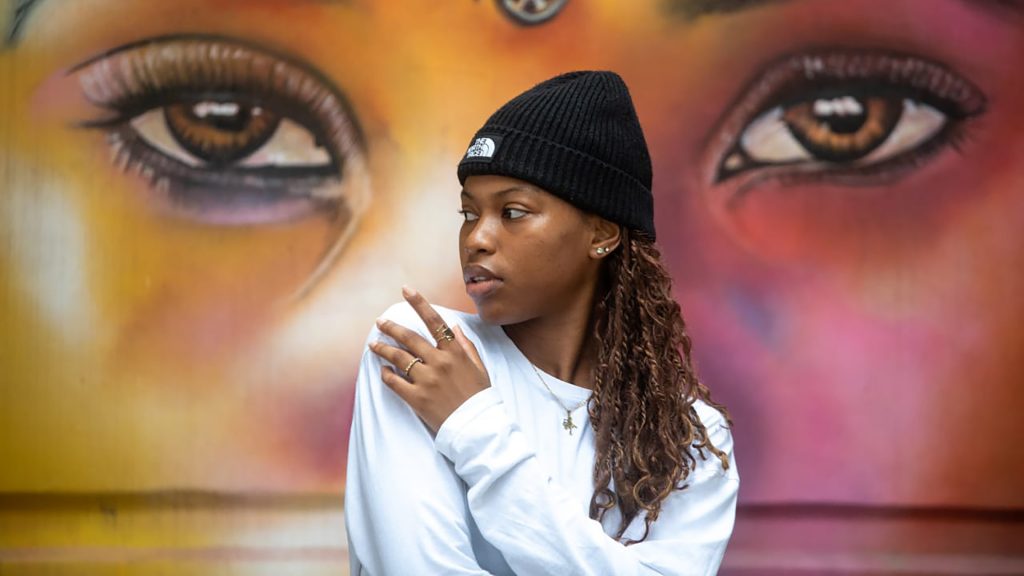
Image Credit: Rising Mirrors / Miroirs en ascension / Kitalatala ya ntombua, photo by David Jouary. See the show on Saturday 21 March at Rich Mix as part of Black Athena Festival.
The festival takes its name and inspiration from Martin Bernal’s Black Athena. What was it about that book – its challenge to inherited cultural narratives, its interrogation of who defines civilisation – that felt urgent enough to build a festival around it in 2026?
Black Athena is a loose theme for the festival but it so very relevant today to discuss culture, civilisation and what it means in an era that includes the Culture Wars. I came across the book following university in the early 1990’s. The book that challenges the roots of civilisation had a great meaning to me having been taught that art history began with Greek theatre and philosophy and went through to post modernism, Stanislavsky and Shakespeare. The idea that civilisation has its roots in Africa and the narrative that was formed in ‘The Enlightenment’, that Africa was bad and Europe was good was the one used to justify racism and slavery and is still used today to support racism and discrimination, and it felt right to discuss this via the festival. ‘The History of the hunt is told by the Hunter‘ is a quote we used when I was training and is still being used today within our collaboration with the KimpaVita festival. When I was in Dakar, Senegal, I got to visit Goree Island a former slave island which shipped over a million slaves and this in humanity was only possible by dehumanising Black people and Africa
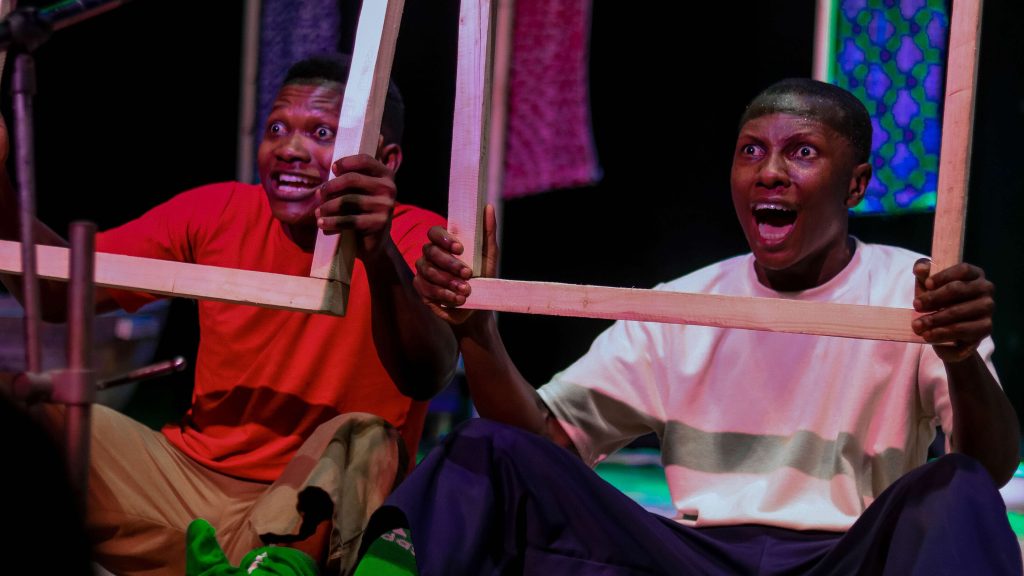
Image Credit: Waterside photo by Kininso Creative. See the show at Rich Mix on Friday 20 March as part of Black Athena Festival.
How does Black Athena Festival challenge the question: Who decides what is considered culture?
The festival features a number of productions that challenge artform ideas of difference and mix music, movement and storytelling to see beyond traditional text-based theatre. Graffiti Bodies XV features sound and movement referencing a visual artwork by Jean-Michel Basquiat’s 1981 painting La Hara. RONiN mixes martial arts and contemporary dance to talk about mixed heritage and culture and Waterside uses African storytelling to tell a tale of belonging and betrayal. With the festival working across many artforms, it challenges the idea of a cultural festival using music and movement to tell tales with STÙRM looking at our inner selves and personal wellbeing. The Science of Dub, uses 3D technology (more on that in our next question) challenging the way we hear, and the ways we are immersed in music.
The festival opens with The Science of Dub, an immersive, spatial sound experience. Why begin here? What does dub – particularly in a Dolby Atmos / Ambisonic environment – represent within the wider conversation about cultural legitimacy and sonic heritage?
The Science of Dub is the ideal way of starting a festival which challenges cultural norms. Dub music, which developed from Reggae in Jamaica, is a form based on musical manipulation including echo and reverb sound effects to provide a dreamy soundscape. For partygoers, Dub was at the heart of Sound Systems which thrived across the island and in the UK. The Science of Dub will extend this into 3D sound providing an immersive experience which you can only find at venues such as The Imax cinemas. The project brings the world-famous producer Scientist from the USA to work with UK producer Tony T and Greg Hunter (The Orb, The Matrix, Science of Dub). The three will utilise new technology to expand what audiences can experience through sound, and it’s fantastic to have support from leading companies such as Ambisonic and Dolby Atmos who set the standard in this area.
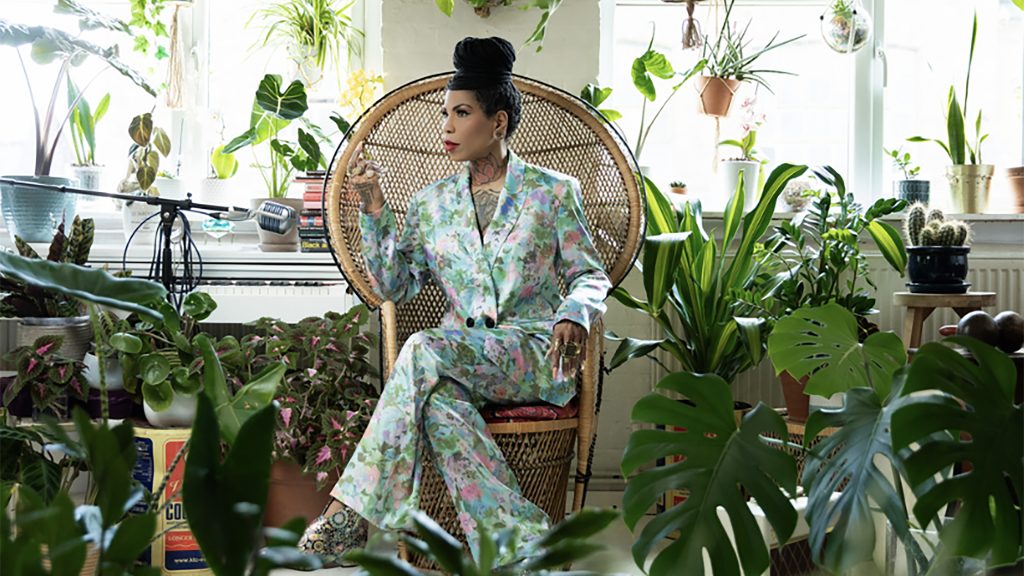
Image Credit: STÙRM by Livia Kojo Alour, photo by Yannick Lalardy. See the show at Rich Mix on Wednesday 18 March as part of Black Athena Festival.
Livia Kojo Alour’s STÙRM blends orchestral sound, spoken word and Afro-futuristic imagery, exploring climate anxiety and collective healing. How does this work embody the festival’s themes of rest as resistance and reimagined futures?
Livia is a fantastic artist who we have worked with since we presented Black Sheep with her in 2022. Her work explores her identity, heritage, health and wellbeing and it’s great to support a piece which is reflective and uses art and culture to heal societal wounds. This is important with our Eurocentric society which can make being different hard, and this fits well within the challenge of cultural norms which Black Athena voices.
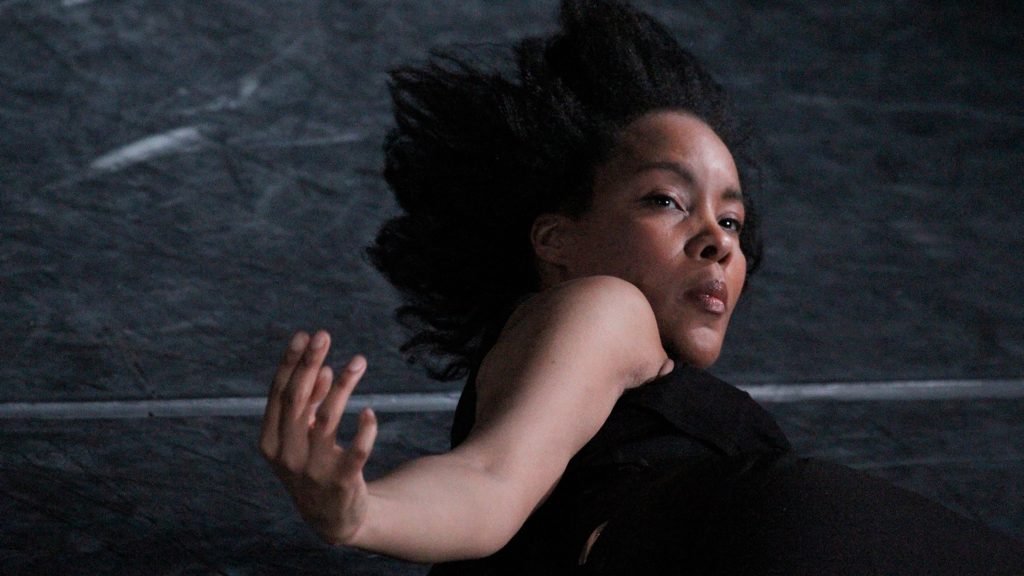
Image Credit: Graffiti Bodies XV by Dam Van Huynh, photo by Robert Piwko. See the show at Rich Mix on Saturday 14 March as part of Black Athena Festival.
Dam Van Huynh’s Graffiti Bodies XV, inspired by Basquiat’s La Hara, reflects on marginalisation and police brutality. Why was it important to include a Certain Blacks commission that directly engages with these political histories?
Certain Blacks takes its name from the Art Ensemble of Chicago who formed during the fight for civil rights in the US. Within this movement the arts and music have always played a leading role with books such as Invisible Man using art to depict the violent nature of oppression. Graffiti Bodies XV continues this conversation. By highlighting Basquiat’s work about police brutality, this conversation continues within the age of Black Lives Matter and current right-wing movements in both the USA and UK where people from any minority background are made to feel unwelcome and in danger.
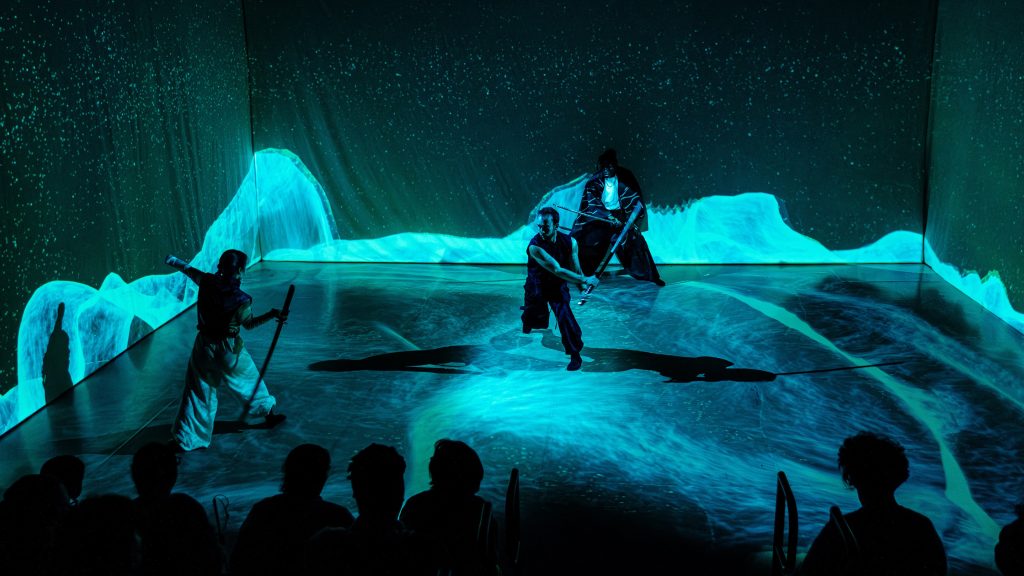
Image Credit: RONiN by Yukiko Masui, photo by Daniel Phung.See the show at The Place on Friday 17 & 18 April as part of Black Athena Festival.
From Nigeria’s Kininso Creative to the Senegal-UK collaboration Rising Mirrors, and Yukiko Masui’s RONiN at The Place, this is a distinctly international programme. In a post-Brexit Britain, what does international collaboration mean to you now – artistically and politically?
International collaboration is central to the work that Certain Blacks undertakes. Within the Black Athena festival, we have been able to attract fantastic partners and, by deconstructing cultural norms, have been able to develop work that is able to discuss the role of Africa, Asia and former colonised countries and how they have been viewed over the past 500 years.
This period, that saw slavery and empire spread across the world was enabled by the thinking of ‘The Enlightenment‘ which made Europe the centre of civilisation and reduced people from the rest of the world to being seen and represented as savages which state and church could exploit in the name of ‘Civilisation’; the idea of uncivilised ‘others’ fuels todays hate culture. Being able to support RONiN at The Place in April, which is a mix of modern dance, hip hop and martial arts, mixing these styles with longstanding Japanese cultural traditions and it is interesting that Japan resisted colonisation by the West only to become a major colonial power.
Certain Blacks are also part of Circostrada, an EU supported network that allows us to continue working with European partners.
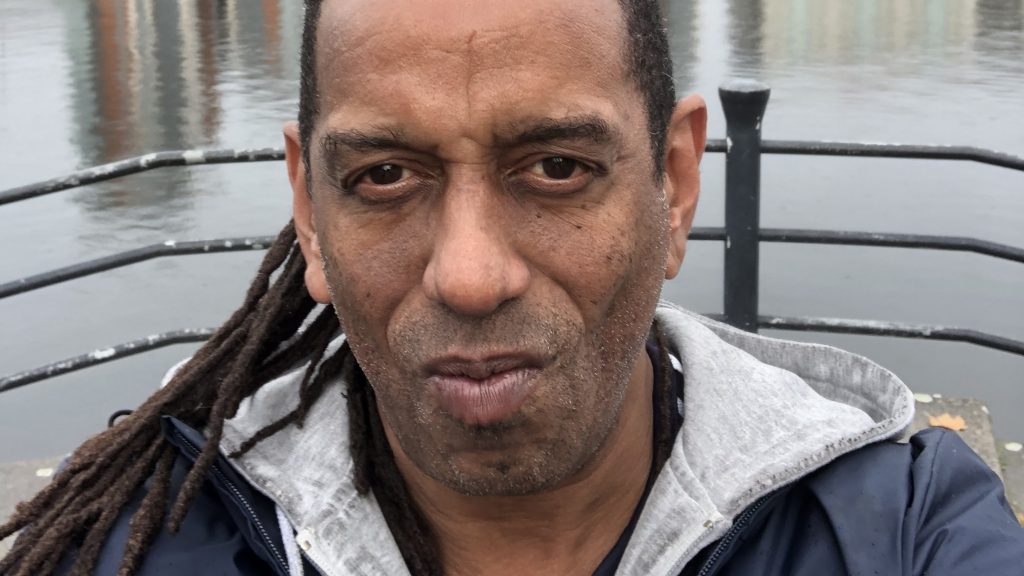
Image Credit: Clive Lyttle, founder and Artistic Director of Certain Blacks.
Looking ahead to 2026, which three London cultural spaces or grassroots communities (outside this festival) are particularly important to you – places that nourish experimentation, solidarity or cultural dialogue – and that you’d encourage Run Riot readers to explore?
The Pleasance (Islington) – I just saw Coco Butter Club present SANKOFA at the venue which was a wonderful show!!
Mime London (London-wide) – formerly the London International Mime Festival, Mime London continue to set the standard for physical theatre within the UK.
Camden People’s Theatre (Camden) – it’s a great small theatre which supports artists development and a great space to see new work.
Clive Lyttle is the founder and Artistic Director of Certain Blacks.
Find Clive at @lyttle188
Certain Blacks presents Black Athena Festival from 13 March to 18 April 2026 at Rich Mix and The Place. For more details visit certainblacks.com and @certainblacks
