
Ted Hodgkinson, Eliza Clark, and Okechukwu Nzelu on Indie Night – the new series that celebrates indie publishers and books that defy the ordinary
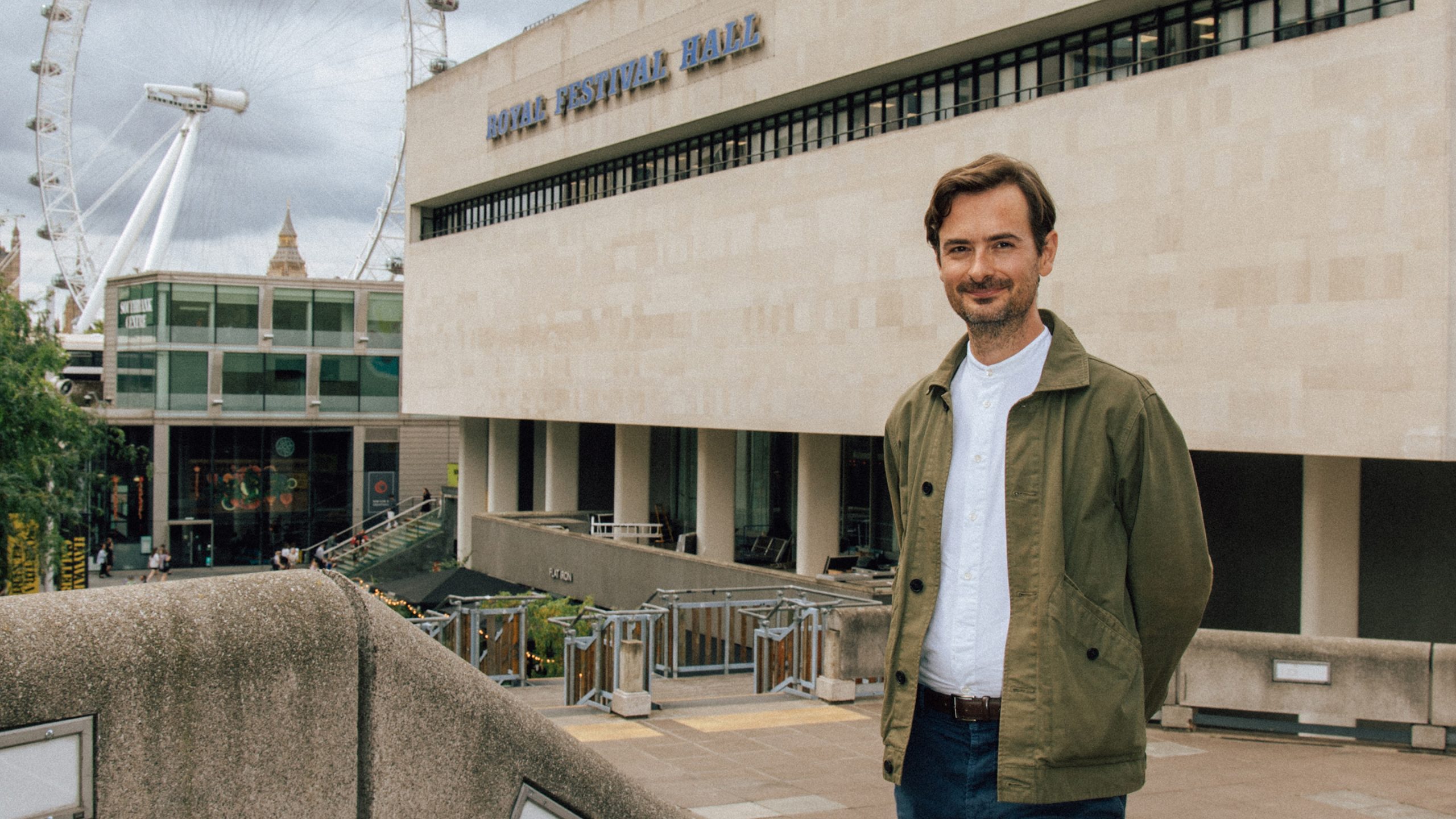
Image Credit: Photo of Ted Hodgkinson by Pete Woodhead. Image courtesy the Southbank Centre. Ted is Head of Literature and Spoken Word at the Southbank Centre.
Celebrating independent publishers and books that defy the ordinary, Indie Night arrives at the Southbank Centre as a rare kind of literary gathering: one that places risk, conversation and collective discovery at its heart. Curated by Head of Literature and Spoken Word Ted Hodgkinson, and co-hosted by writers Eliza Clark and Okechukwu Nzelu, the quarterly series creates space for voices that resist easy categorisation – and for audiences who want to encounter literature as a live, shared experience.
Each Indie Night brings together an eclectic mix of writers united not by genre or reputation, but by an independent spirit and a willingness to push form, voice and perspective to their furthest edges. The launch edition on 25 February 2026 features readings and discussion from Deepa Anappara, Khairani Barokka, Vigdis Hjorth and Tim MacGabhann, with an introduction from Max Porter.
In this Run Riot interview, Ted, Eliza and Oke reflect on why Indie Night feels so haut right now, what live literary encounters unlock for writers and readers alike – and how indie presses continue to function as the exciting edge of literary innovation. They also share nine insider tips for bookish spaces across London, offering new places to quench your joie de vivre.
Let’s start with Ted
You’ve spent your career championing literature and the spoken word, but if we rewind far beyond Oxford or Columbia Uni’s, what were your first encounters with language that truly stayed with you? Was there an early book, performance or voice that made you aware of how words could alter perception – and how did that early spark crystallise into the values that shape your curatorial work today?
Ted: The voice that truly stayed with me is Randle McMurphy in One Flew Over the Cuckoo’s Nest. A brawler and a gambler, it is ultimately his irreverent humour and ‘gift of the gab’ that make him such an irrepressible force. His voice has the power to galvanise others against a system that seeks to flatten and control.
As a curator, I look for that same courage to unsettle. McMurphy embodies the writer who refuses to conform, creating a productive discomfort that casts new light on the world. From those early encounters, I’ve learned that the more arresting and distinctive a writer’s voice, the more power they have to fundamentally alter our perceptions.
Indie Night sets out to celebrate independent presses and books that might otherwise struggle to find space in the mainstream. From your vantage point at the Southbank Centre, what feels most pressing about creating a platform like this now – and what structural or cultural gaps in the literary landscape is the series designed to address?
Ted: While we proudly platform global bestsellers, we recognise that as publishing consolidates, the landscape becomes increasingly top-heavy. It is now a massive feat for an author on the margins to leap from a first book to a wide audience. Indie Night is designed to bridge that gap, specifically for those upending expectations or blurring boundaries.
The Southbank Centre has always been a ‘creative engine’ for risk-taking, and this series champions the publishers who are the lifeblood of that scene. History shows us that the most seismic cultural shifts – from Mrs Dalloway to A Girl is a Half-formed Thing – often start at small presses. By carving out this space, we aren’t just celebrating a certain kind of indie fiction; we are spotlighting the sheer vitality of writers who refuse to fit a mould.
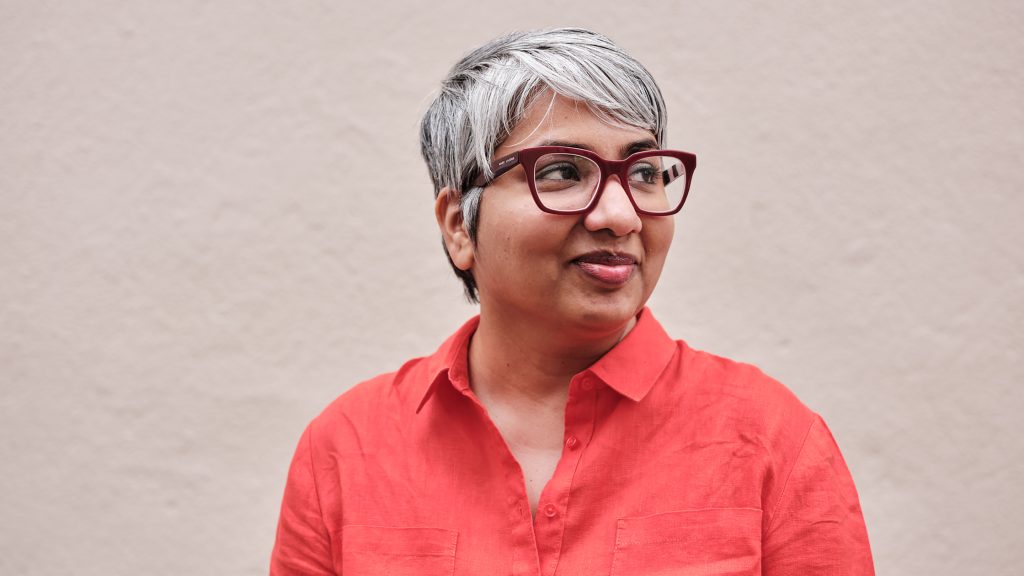
Image Credit: Photo of Deepa Anappara by Liz Seabrook. Deepa Anappara’s debut novel, Djinn Patrol on the Purple Line (Chatto & Windus, 2020), was named as one of the best books of the year by the New York Times, Washington Post, Time and NPR. Anappara is the co-editor of Letters to a Writer of Colour (Vintage, 2023), a collection of personal essays on fiction, race and culture. The Last of Earth (Oneworld, 2026) is her second novel.
Each Indie Night features a carefully assembled mix of fiction and non-fiction writers, emerging voices alongside established names, linked more by ethos than category. When you’re shaping a line-up like this, what are you listening for beneath the surface – dialogue, productive tension, generosity, challenge?
Ted: When I’m shaping a line-up like this, I’m listening for a productive friction. I don’t want a monochrome evening; I want a ‘wonder box’ of sharp contrasts.
Beneath the surface, I’m looking for an uncompromising commitment to a vision that defies easy categorisation. I want to place a restless work of auto-fiction alongside a historical epic, or a speculative world next to a piece of creative non-fiction that gives a ‘right of reply’ to a Gauguin portrait.
What I’m really listening for is that ‘independent spirit’ – a willingness to pursue a project to its furthest edge without looking over one’s shoulder at market trends. By bringing these distinct sensibilities together, the night becomes more than just a series of readings; it becomes a testament to the infinite, subversive possibilities of the written word.
Literature often reaches readers in solitude, yet Indie Night foregrounds readings, conversation and shared presence. What does the live encounter offer writing that the page alone cannot – and how do you see performance, spoken word and audience exchange reshaping how literature is experienced today?
Ted: While reading is outwardly solitary, inwardly it is a deeply social immersion into lives beyond our own. A live event translates that internal journey into a collective encounter – a moment of recognition where an unseen community suddenly becomes visible.
In a world mediated by screens and algorithms, the direct encounter between author and audience offers a rare, unmediated intimacy. I’ve always believed that a work of literature is only fully realised in the presence of an audience; the readers are the essential collaborators who breathe life into the text.
What Indie Night adds to this mix is the sense of a ‘ripple effect.’ When a book that defies the mainstream mould finds its audience in a room like ours, it proves there is a hunger for the unconventional. It transforms the act of discovery from a private moment into a public statement, signalling that these subversive voices belong at the very heart of our cultural conversation.
Outside the Southbank Centre, which three London spaces, series or communities would you point literature lovers towards – places that feel genuinely alive to independent thinking, experimentation and collective engagement with words?
Ted: Burley Fisher Books (Dalston): They are a lighthouse for independent publishing. More than a shop, they are a community hub that champions experimental work and small presses with the kind of grit and devotion we want to celebrate at Indie Night.
The Deptford Literature Festival (Deptford): Set up in 2020, this festival offers a wide array of literature-related activities for all ages. Taking place in the London Writers’ Centre in Lewisham, the festival celebrates the creativity of Deptford and its neighbouring communities.
New Beacon Books (Finsbury Park): A true pioneer of independent thinking. As the UK’s first Black publisher and specialist bookshop, they have spent decades as a space for rebellious voices to challenge orthodoxies. They continue to be a radical force and a catalyst in the publishing landscape.
Ted Hodgkinson is Head of Literature and Spoken Word at the Southbank Centre. Find Ted @tedhodgkinson
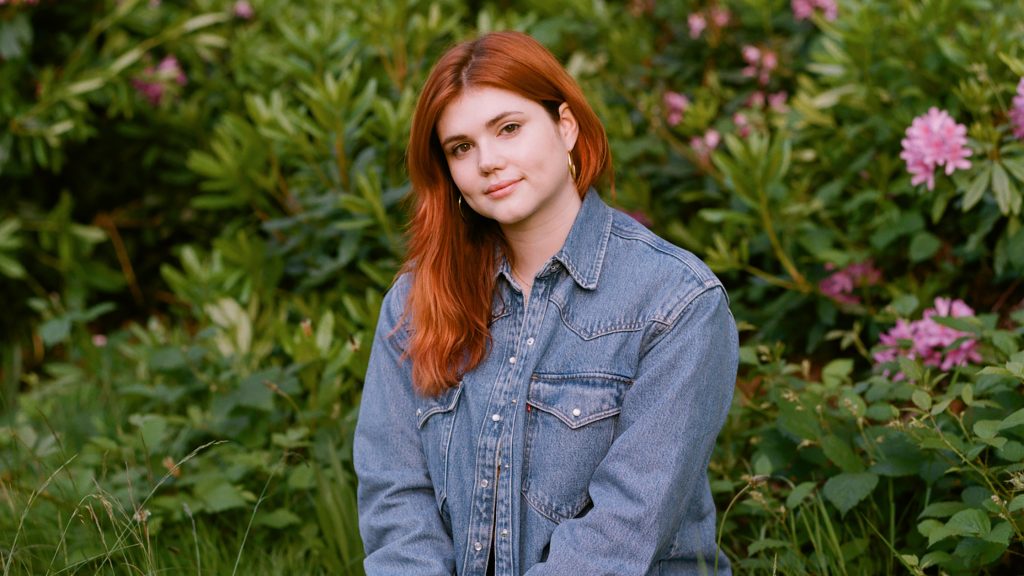
Image Credit: Photo of Eliza Clark by Robin Silas Christian. Eliza Clark is the author of novels Boy Parts and Penance and the short story collection She’s Always Hungry. Boy Parts was named Blackwell’s Fiction book of the year and was adapted for the stage in 2023. She was named one of Granta’s Best of Young British Novelists, shortlisted for the Women’s Prize Futures 10 award and listed on Forbes’ 30 Under 30 Europe. She also writes for film and television.
Enter Eliza…
Indie Night is framed as a celebration of books that ‘defy the ordinary’ and the presses that champion them. From your perspective as both an author and co-host, what feels most urgent about carving out this kind of space in the current literary moment?
Eliza: It’s always important to make sure there is space for work beyond the handful of titles that are afforded attention by major publishers. As the mainstream cultural landscape seems to be more risk averse and conservative than it has been in years – it’s essential to give audiences access to alternative options.
Each Indie Night pairs emerging writers with established voices across fiction and non-fiction. What do you hope audiences leave with after witnessing those exchanges?
Eliza: I hope audiences come away from the night feeling inspired to seek out new and interesting literature and to take more chances in their reading choices.
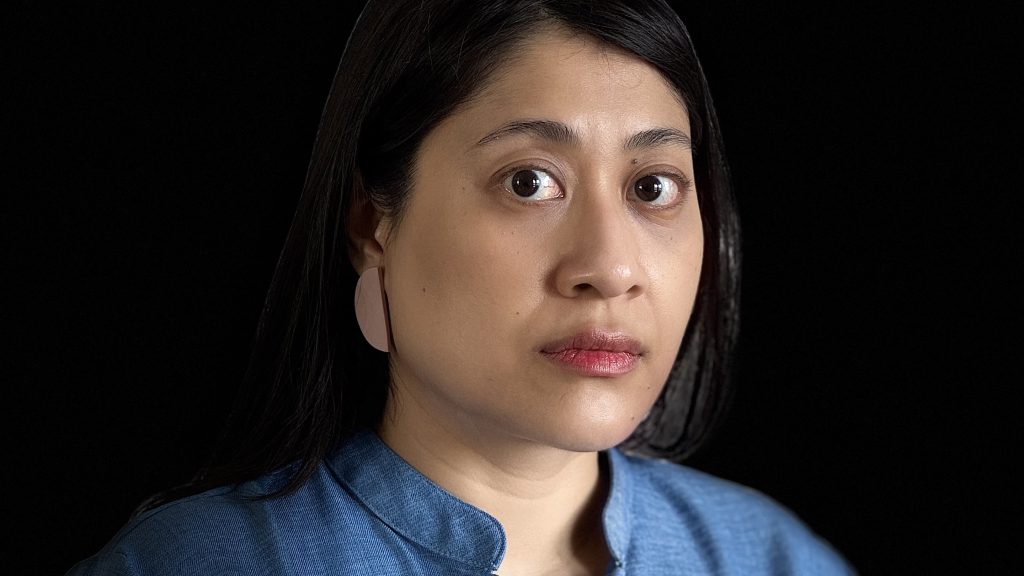
Image Credit: Photo of Khairani Barokka. Khairani Barokka is a writer and artist from Jakarta, based in London, whose work examines disability justice as anticolonial praxis. She teaches, mentors and consults for arts organisations, and has a PhD by Practice in Visual Cultures. Her books include 2021’s Ultimatum Orangutan (Nine Arches, 2021), shortlisted for the Barbellion Prize, and amuk (Nine Arches, 2024). Annah, Infinite (Tilted Axis, 2025) is her prose debut.
Drawing on your own experience, how do you see independent publishers functioning as a testing ground or counter-culture within literature?
Eliza: Indie publishers are willing to take on titles that mainstream publishers might consider too risky to publish. They’re also able to look beyond shallower elements like marketability of the author or easy hooky plot lines and focus on books they’re truly passionate about.
Finally, for our readers: beyond the Southbank Centre, which three London spaces or communities would you urge literature lovers to seek out – whether bookshops, libraries, reading series or informal scenes that feel particularly special to you?
Eliza: I like the New Work reading series a lot – it’s run by Rachel Connolly and happens once every couple of months. It’s really carefully programmed and writers come together specifically to read and test their unpublished work. It’s a really nice space, doesn’t feel too sceney and I feel like audiences are genuinely interested in the writers and work.
I’m based in south east London, so also must recommend my local independent bookshops – The Bookseller Crow and Kirkdale Bookshop.
Eliza Clark is an author and co-host of Indie Night. Find Eliza @fancyeliza
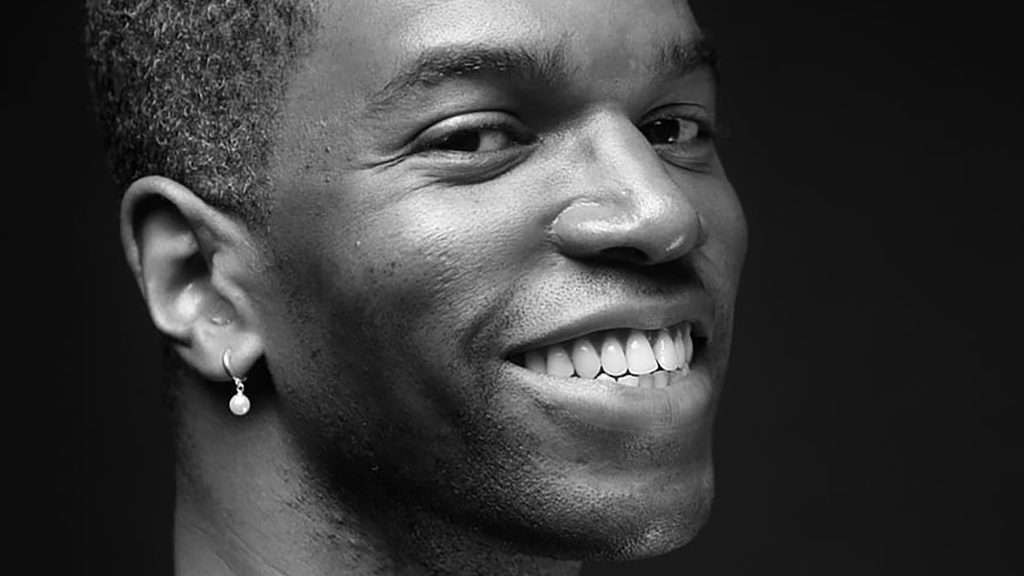
Image Credit: Photo of Okechukwu Nzelu by Ajamu X. Okechukwu Nzelu is a novelist, writer and lecturer in creative writing at Lancaster University. His novels The Private Joys of Nnenna Maloney and Here Again Now have won several awards, including the Polari Prize, and RSL Encore Award. He is a Fellow of the Royal Society of Literature and holds an honorary doctorate from Kingston University.
Enter Oke…
Growing up in Manchester before studying at Cambridge, your work has always been attentive to voice, intimacy and lived experience. Looking back, what were your earliest encounters with storytelling or language that felt formative – and how did those moments quietly inform the values you now carry as a writer and host?
Oke: Aside from reading, I think my earliest encounters with storytelling or language that felt formative would probably have been sermons. I’m not religious anymore but when I was growing up we went to church regularly, so it’s likely that I was influenced by their structure, and I think that shows in the personal essays I’ve written.
Obviously, sermons are didactic by nature in the way that most fiction isn’t, but the best sermons often have some similarities to the personal essay, in the way they can hold both engaging narration of personal experience and a way of bringing in a text. My first novel featured some very dysfunctional Christians and some Biblical quotations that drew the main character together, so maybe somewhere in the back of my mind I was channeling the sermons I’d heard growing up.
I think as a host I just try to be welcoming and hospitable to whatever writing style and conversational style the speakers bring. It’s not leadership in the traditional sense; my role is to allow the speakers to do their thing, their way. A rapport is great, but sometimes the best things come when you let people surprise you.
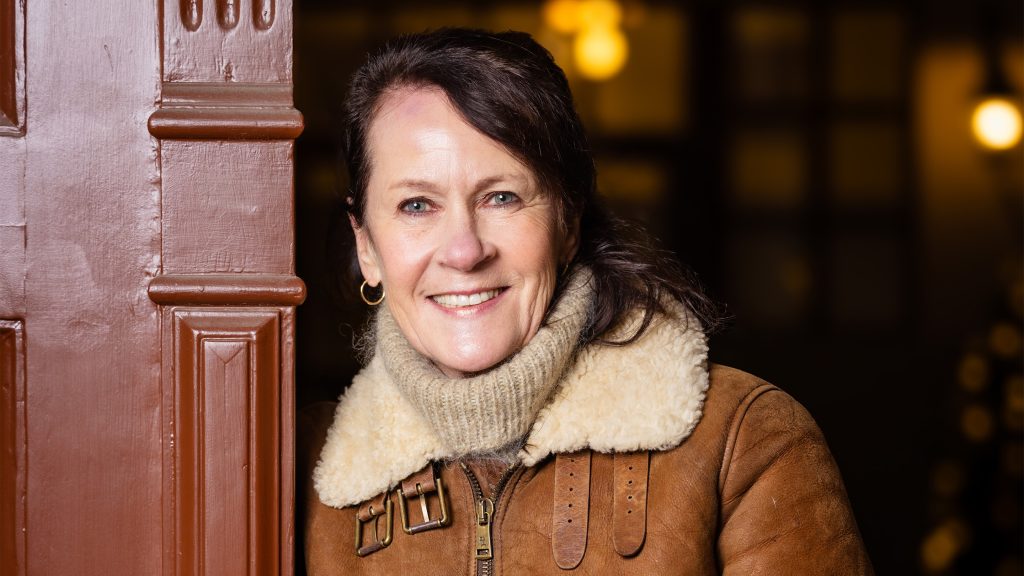
Image Credit: Photo of Vigdis Hjorth by Lina Hindrum. Vigdis Hjorth is a bestselling author. Will and Testament (Verso, 2019) received several awards, including the Norwegian Critics Prize for Literature and the Norwegian Booksellers’ Prize. Long Live the Post Horn! (Verso, 2020) won the Believer Book Award for fiction in 2020, and Is Mother Dead (Verso, 2022) was listed for the International Booker Prize in 2023. Her new novel, Repetition (Verso), is released this March.
From your perspective as a novelist, teacher and reader, why does this kind of series feel particularly necessary right now – and what freedoms do indie presses offer that larger publishing structures often struggle to sustain?
Oke: I think larger publishing structures and indie presses both offer great things, and I’d want any aspiring writer reading this to be aware of that, and aware that it’s not as simple as one being straightforwardly better, braver or more effective than the other. Some indie presses have fantastic resources, for example. But sometimes, even though indie presses might be willing to publish more experimental or more ‘challenging’ work, they might not have the resources to be able to bring authors to big audiences as easily as bigger publishers. This conversation comes up whenever indie presses’ books get shortlisted for major prizes, and it’s an important one to have for the sake of equity in publishing. It’s wonderful to be part of a series like this, with writers I really admire, because it helps bring a broad range of excellent work to audiences and readers.
Each evening brings together writers who might not otherwise share a stage, crossing genres, forms and generations. As a host, what excites you about these unexpected constellations – and what kinds of exchanges are you hoping to spark both on stage and among the audience?
Oke: There’s always something exciting about having multiple writers on stage at once. When we planned this event we jokingly compared it to the Graham Norton sofa, and I think there’s some truth in that: unexpected, magical conversations can be had when you can draw connections between people’s different approaches and styles, and I think for audiences, the excitement of that becomes more than the sum of its parts. Someone in the audience might be there because they’ve been following one writer’s work for a long time, but they’re there because they’re excited to be introduced to new favourites. You can see it in people’s responses – and in the queue for book-buying after the show. People don’t just leave with one type of book, they often walk away with multiple completely different novels.
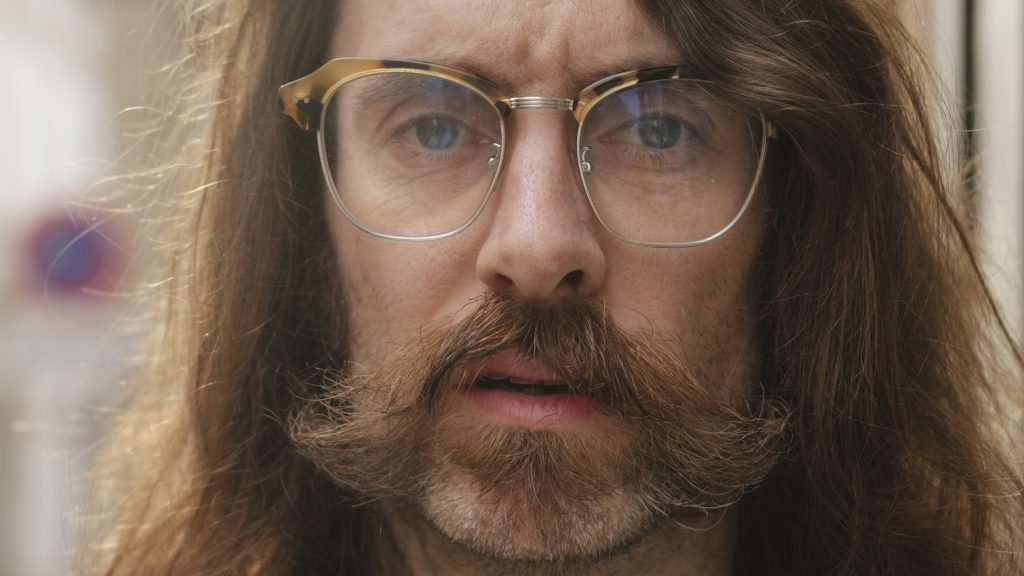
Image Credit: Photo of Tim MacGabhann by Sido Lansari. Tim MacGabhann is the author of the novels Call Him Mine (Weidenfeld & Nicolson, 2019) and How to Be Nowhere (Weidenfeld & Nicolson, 2020), the memoir The Black Pool (Sceptre, 2025), the poetry collection Found in a Context of Destruction (Banshee Press, 2026) and, most recently, the short story collection Saints (Scratch Books, 2025).
Live readings sit at the heart of Indie Night, reminding us that literature is also embodied and communal. What do you think changes when audiences encounter new work directly from the writer’s voice – and how does that immediacy shape connection, empathy or understanding?
Oke: Live readings are really powerful. I’ve come across some of my favourite books through live readings, because it’s often the author’s best way of advocating for their book: an author chooses the section they feel fits best, and they bring it to you with their own voice. Audiobooks are great but authors don’t always read their own works, so a live reading can be a really unique, rare experience, and when you think about how remote and solitary reading can be, the opportunity to have the author in the room with you, reading to you, is a wonderful thing.
For Run Riot readers keen to deepen their literary lives beyond Indie Night, which three London bookshops, venues or informal scenes would you recommend – places that continue to nourish you as a reader, writer and cultural participant?
Oke: I live in Manchester, so I’m sure a Londoner would be able to give more recommendations than me, but I do have a few that are close to my heart. Gay’s the Word, in Bloomsbury, is a great bookshop, staffed by passionate booksellers who really enjoy getting great books to people who visit their shop. I love Daunts too – there are a few branches but the Marylebone one is so iconically beautiful. I also want to mention Round Table Books, in Brixton: they’re staffed by award-winning, engaged, thoughtful people and they put so much care into what they do. They started out as a children’s bookshop, but they’ve expanded into books for everyone and I think they’re also crowd-funding for a bigger space, too.
Oke Nzelu is an author and co-host of Indie Night. Find Oke at @nzeluwrites
Indie Night: February
Wed 25 Feb 2026, 7.45pm
Purcell Room, Southbank Centre
southbankcentre.co.uk
Indie Night: June
Wed 3 Jun 2026, 7.45pm
Purcell Room, Southbank Centre
southbankcentre.co.uk