

Philip Ilson: Championing the alternative at the London Short Film Festival
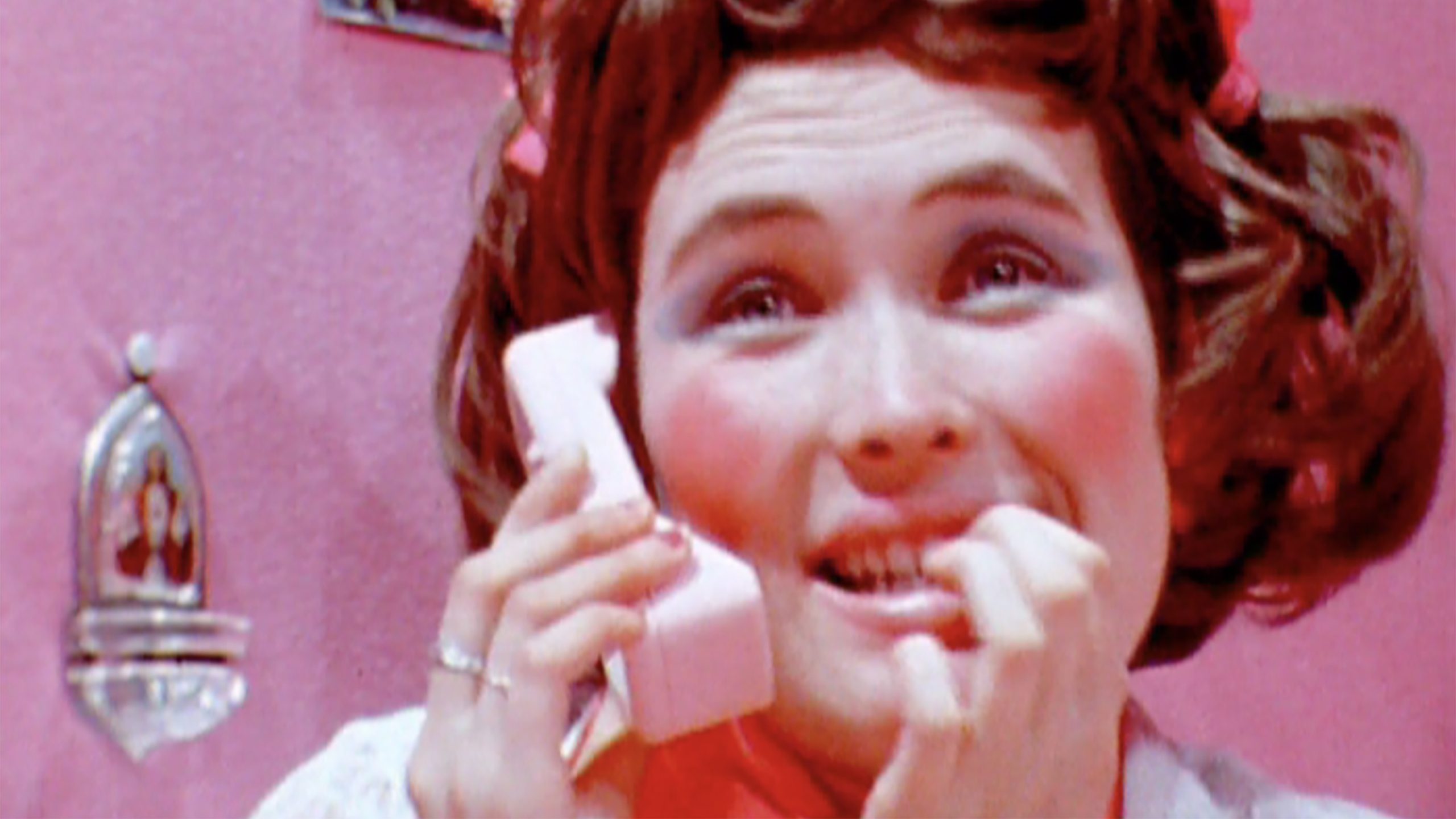
Image Credit: Still from ‘VPL – Visible Panty Line’ (Dir. Ka! Ka! Studios / 1993). Screened as part of Everybody’s Darling: Melodrama in 80s & 90s Punk Cinema (+ extended intro). Sun, 25 Jan 18:20. BFI Southbank.
From late-night screenings and underground film clubs to one of the UK’s most vital showcases for short-form cinema, Philip Ilson’s journey has always been powered by curiosity, community and a deep belief in the outsider spirit of film. Growing up in London, formative trips to the BFI Southbank and the anarchic brilliance of the Scala Cinema lit the fuse. But it was discovering Exploding Cinema in a Camberwell pub in the mid-90s that proved catalytic, leading Philip and collaborator Tim Harding to launch The Halloween Society – a boundary-blurring film night mixing shorts, cabaret, live music and DJs. From that DIY, open-access ethos, the London Short Film Festival was born.
Now in its 23rd edition, LSFF returns from 23 January – 1 February 2026 with over 300 films screened across the capital over ten days, reaffirming its place as a cornerstone of the UK film ecosystem. This year’s guiding thread, Cinema Remembers What We Forget, reflects a growing fascination with memory, personal archives and lived experience – a theme that speaks powerfully to short film’s ability to hold intimacy, urgency and truth in concentrated form.
What makes LSFF endure is not scale alone, but values: championing new voices, collaborating with emergent curators and film clubs, and remaining fiercely open to experimentation. Under Philip’s steady hand, LSFF remains a must-see for anyone keen to discover the filmmakers – and ideas – shaping what cinema becomes next.
Let’s start at the beginning. Was there an early film, event, or late-night happening that first sparked your fascination with the moving image – something that you still carry in your DNA as a programmer and festival-maker today?
Growing up in London, I got into cinema at a young age, going to the BFI Southbank (then the National Film Theatre) as a teenager with a school friends actor Dad who took a group of us to see Invasion of the Bodysnatchers and then discovering the Scala Cinema in Kings Cross soon after. But a life-changer was going to an Exploding Cinema open access film club event at a pub in Camberwell in the mid-90s that lead to me and my schoolfriend Tim Harding starting the Halloween Society short film night, mixing cabaret, live music and DJs soon after and becoming a part of London’s burgeoning underground and alternative film club scene. London Short Film Festival grew out of the Halloween Society and still carries that early ethos.
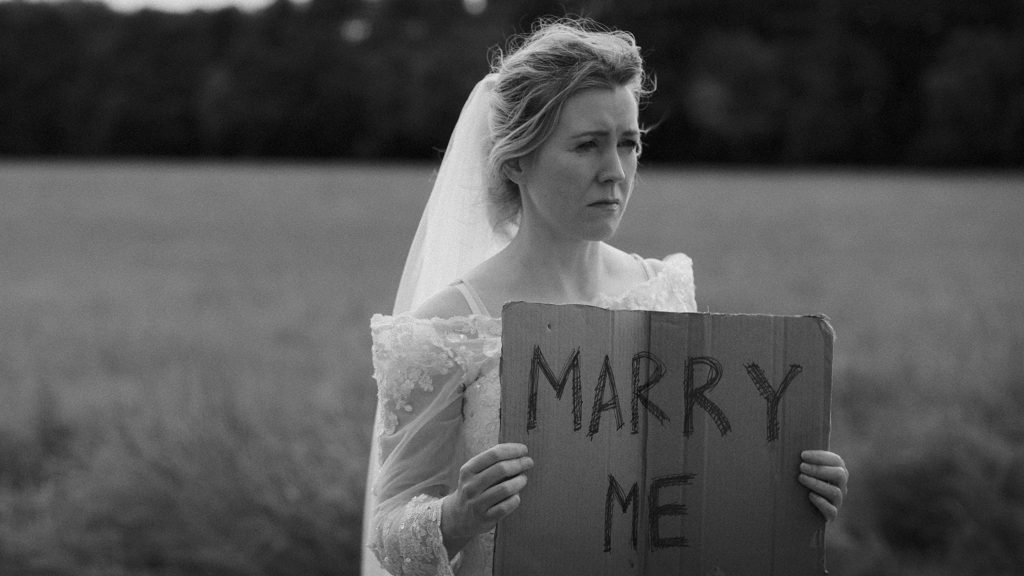
Image Credit: Still from ‘For Better‘ (Dir. kitty percy / 2025). Screened as part of Looking Through the Square Window (+ filmmakers Q&A). Weds, 28 Jan, 18:20. Curzon Soho.
Each year LSFF evolves: new talent, new technologies, shifting aesthetics. But certain qualities seem timeless in your curation. What are the enduring values or artistic instincts that keep powering you on, even as taste and technology change around us?
As my own curation has always been about finding new talent and new voices, particularly by people and about subjects we don’t always see on the screen. I keep a close eye on the new film clubs and exhibition spaces that constantly emerge in London in a similar way to how the Halloween Society started. It’s easy to stay inspired to continue doing the Festival and working with younger curatorial teams.
This year’s festival thread – Cinema Remembers What We Forget – delves into memory, identity, and the fragments that define us. What led you to this theme, and how do you see short film uniquely positioned to explore these intimate, sometimes uncomfortable territories?
Perhaps not a new phenomenon, but I was seeing more short films that delved into personal diaries and archive, particularly as it’s been much easier to make personal documentation these last 20 years fuelled by the rise of social media and YouTube. Memory was emerging as an important theme, which can be seen across LSFF 2026 in both the New Shorts and more archival programmes.
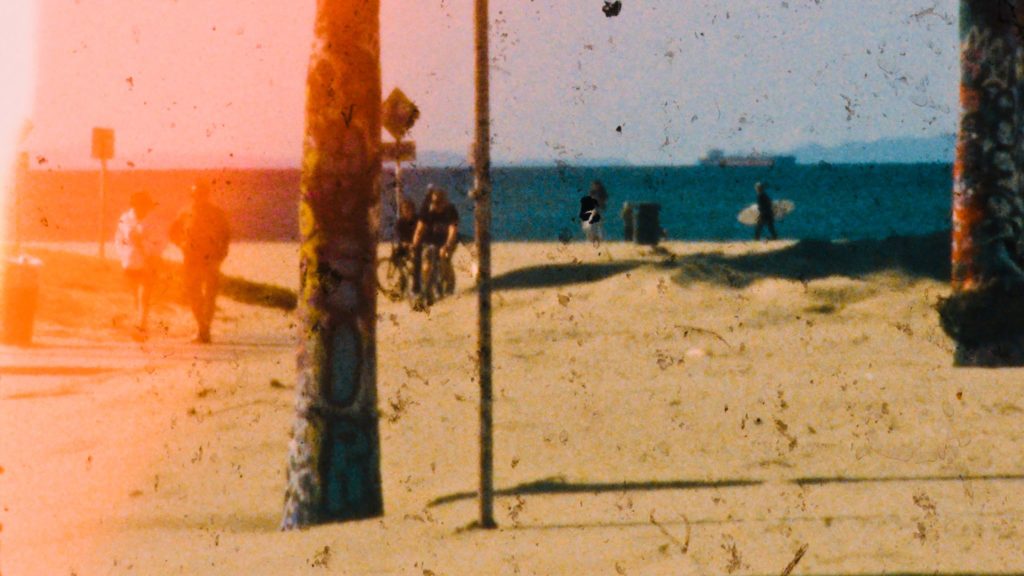
Image Credit: Still from ‘I Saw The Face Of God In The Jet Wash’ (Dir. Mark Jenkin / 2025). Screened as part of UK Competition: Drifting Towards Dreamsource (+ filmmakers Q&A). Mon, 26 Jan, 20:40, BFI Southbank. The film will also be screened as part of Express Yourself (+ filmmakers Q&A), Fri, 30 Jan, ICA.
LSFF returns with 300 films across ten days, citywide venues, and an expansive set of collaborators: from CoreCore Mixtape with Immaterial Film Club to events curated by TGirlsOnFilm, Mascara Film Club, Thawra Archive, and more. What does this growing constellation of curators and community partners say about where LSFF sits within the UK film ecosystem today?
As LSFF emerged from an alternative film club over 20 years ago, the Festival has always kept an eye on and collaborated with other emerging clubs and exhibition spaces, as well as working with young and diverse programmers and curators across the whole Festival. Seeing the work of Immaterial, Mascara, TGirls on Film and many others is inspirational and continues LSFF’s championing of the alternative to the cinematic mainstream.
For newcomers, the programme can feel thrilling but vast. Could you spotlight a handful of 2026 highlights – perhaps from UK Competition, underground archives, comedy, experimental strands, or the special events like This Time It’s Personal, Everybody’s Darling, or Wildest Grief – and offer a way in for someone attending LSFF for the first time?
The programme is split into three parts specifically: The thirty New Shorts programmes viewed and curated by the Selection Committee team from the 6000 submissions, which includes our UK and International Competition sections, as well as our returning programmes around comedy, horror, low-budget films and others, as well as documentary and animation programmes. New themes also emerge from the submissions. Our Special Events are curated by outside collaborators alongside our in-house team, and include our Opening Night look at personal diary film, our Melodrama event re-visiting 80s and 90s underground punk cinema and a fascinating archival look at the Bengali experience in 70s and 80s East End. We also have a number of industry and networking events targeting the filmmakers showing work in the Festival.
Film Credit: LSFF 2026 promo film, made by Maya Aki @maya_aki | maya-aki.cargo.site
LSFF 2026 stretches across cinemas (Curzon Soho, ICA, BFI Southbank, The Lexi, Rio, Kiln Theatre & Cinema) and community venues from Toynbee Hall to the Zoroastrian Centre and Nunhead Community Cinema. Why is this citywide footprint so important to you – and what does it allow you to say about London, its audiences, and its cultural map in 2026?
LSFF has always been widely spread across the capital and this year we have pushed a new initiative to take the Festival to new communities via community halls and local film clubs specifically frequented by older audiences, MENA diaspora and children’s film clubs. We are aware that not everyone can come to our central London venues so have community outreach means we can get the Festival direct to the people.
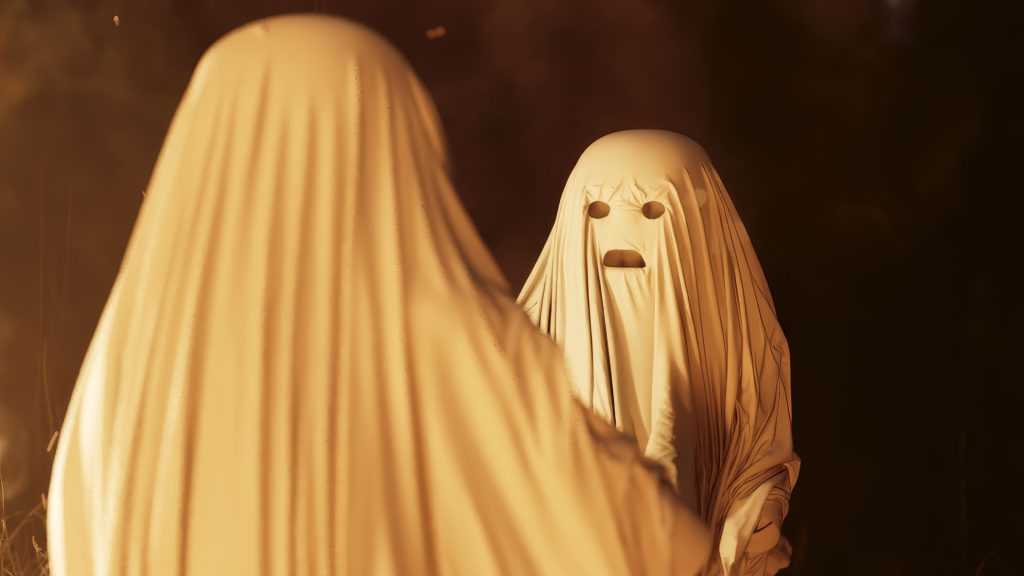
Image Credit: Still from ‘Arguments in Favor of Love’ (Dir. Gabriel Abrantes / 2025). Screened as part of International Competition: Visions and Voices (+ filmmakers Q&A), Weds, 28 Jan, ICA. The film will also be screened as part of You’re A Red Flag (+ filmmakers Q&A), Fri, 30 Jan, 18:20.
You’ve long championed DIY filmmaking, emerging voices, boundary-pushers and artists working between film, music, activism, archives and subculture. In this political moment – post-Brexit, post-austerity, and in a Britain wrestling with identity – what role do you see short film playing? And what conversations do you hope LSFF helps ignite?
Although the Festival screens international films, it emerged specifically from championing British work or re-discovering lost British short films and under-seen film movements. UK made work is still an important part of LSFF through our British and London Lives programmes, and in our events. We have programmes looking at the Bengali community of East London, how trans lives have been portrayed in 70s London and a spotlight on emo culture that emerged out of suburban teenage bedrooms via MySpace and early YouTube in the early 00s. LSFF believes in platforming the full diversity of the UK to kickstart those conversations around British identity.
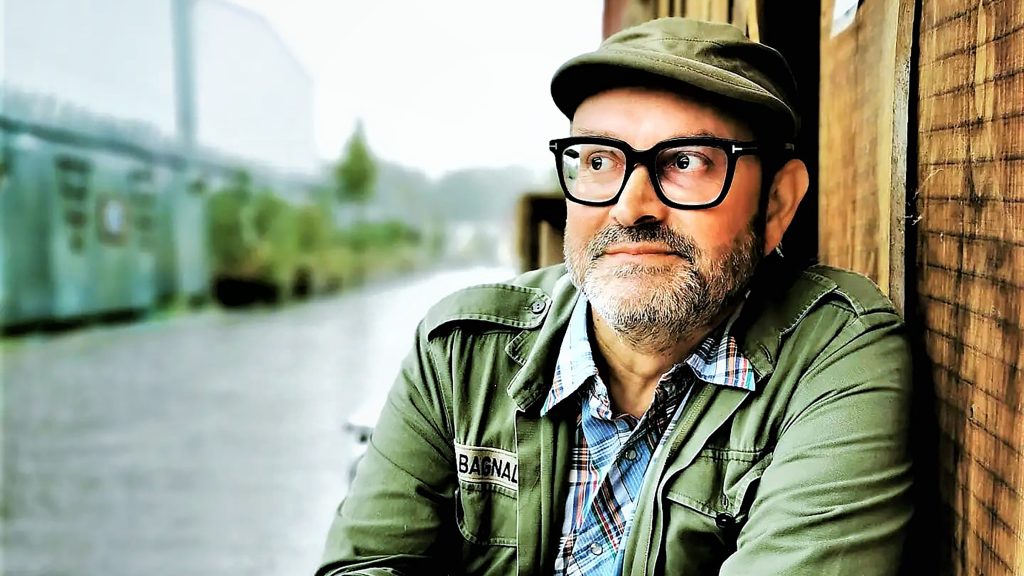
Image Credit: Photo of Philip Ilson, co-Founder and Artistic Director, London Short Film Festival.
Finally, for our readers who want to deepen their film lives in 2026, what are three London culture spaces, cinemas, or communities that feel like ‘home’ to you – places you’ll be returning to throughout the year, and that you’d recommend to anyone seeking adventurous moving-image culture?
Four Corners: it’s the home of radical, socially-engaged photography and film – gallery and screening space, with studio, facilities and offices for their community. Last year (2025) was their 50th anniversary. They’re on Roman Road, Bethnal Green, and is where LSFF are currently based. For the start of 2026, there’s an exhibition of photos by Joyce Edwards from the 70s and 80s focussing on squatters around East London during that period. For many of us working in film and photography, it’s a real community hub we all cherish.
Museum of Youth Culture: Having existed in pop-up and alternative spaces since 2016, the Museum of Youth Culture gets a permanent full-time home opening in Camden in early 2026, which is an exciting development to showcase the creativity of youth movements from Northern Soul to Madchester and acid house to the rise of British hip hop. LSFF has held past events showcasing video and film creativity in skateboard culture, the East London grime scene and a look at emo culture at the forthcoming LSFF in January 2026 (which will also host a panel to include the Museum’s co-founder Jamie Brett). Having had a personal preview of the Museum a few months ago, I’m looking forward to seeing it fully opened in it’s full youthful glory!
House of Dreams: I have a strong interest in underground folk cultures which goes back to my childhood years of dragging my parents to stone circles and other pagan sites. London is thin on the ground with such spaces, though there’s a strong tradition of folk customs and outsider-ish art which have emerged more to the fore in recent years through social media, which is how I found out about the House of Dreams, a suburban house in East Dulwich which has been converted across many decades into a unique paradise of weird and wonderful art by it’s resident Stephen Wright. Visiting is organised in advance and Stephen and his partner will personally meet you to take you on a guided tour of their residence.
Find Philip on Instagram @ilsonphilip
London Short Film Festival
300 short films across multiple London cinemas and venues
23 Jan – 1 Feb 2026
shortfilms.org.uk
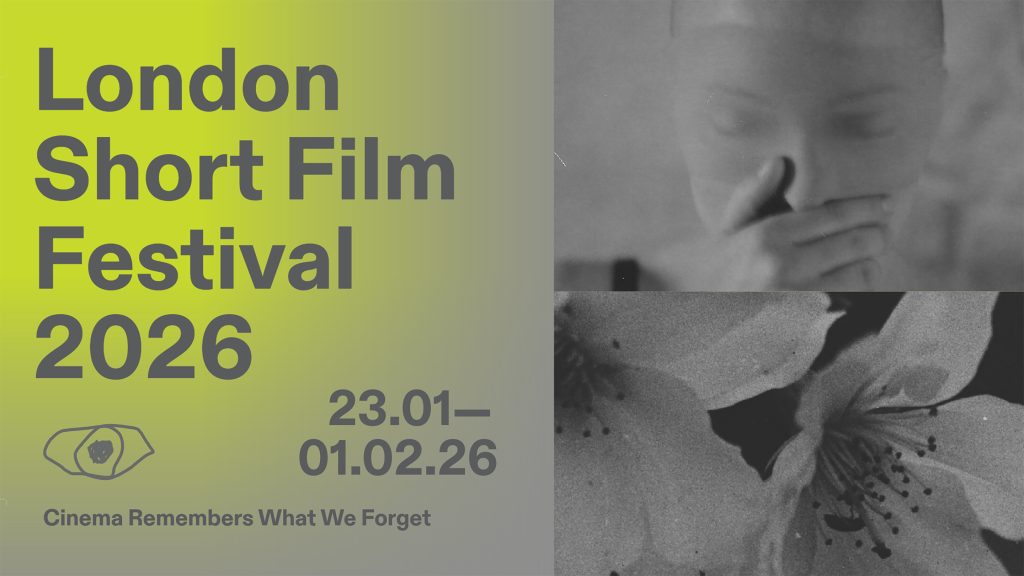
Image Credit: Poster for LSFF 2026 designed by @stephenrossi_ /
