

Michael Kill: Raving Against the System – Social Anxiety, Free Parties, and the New Age of Nightlife
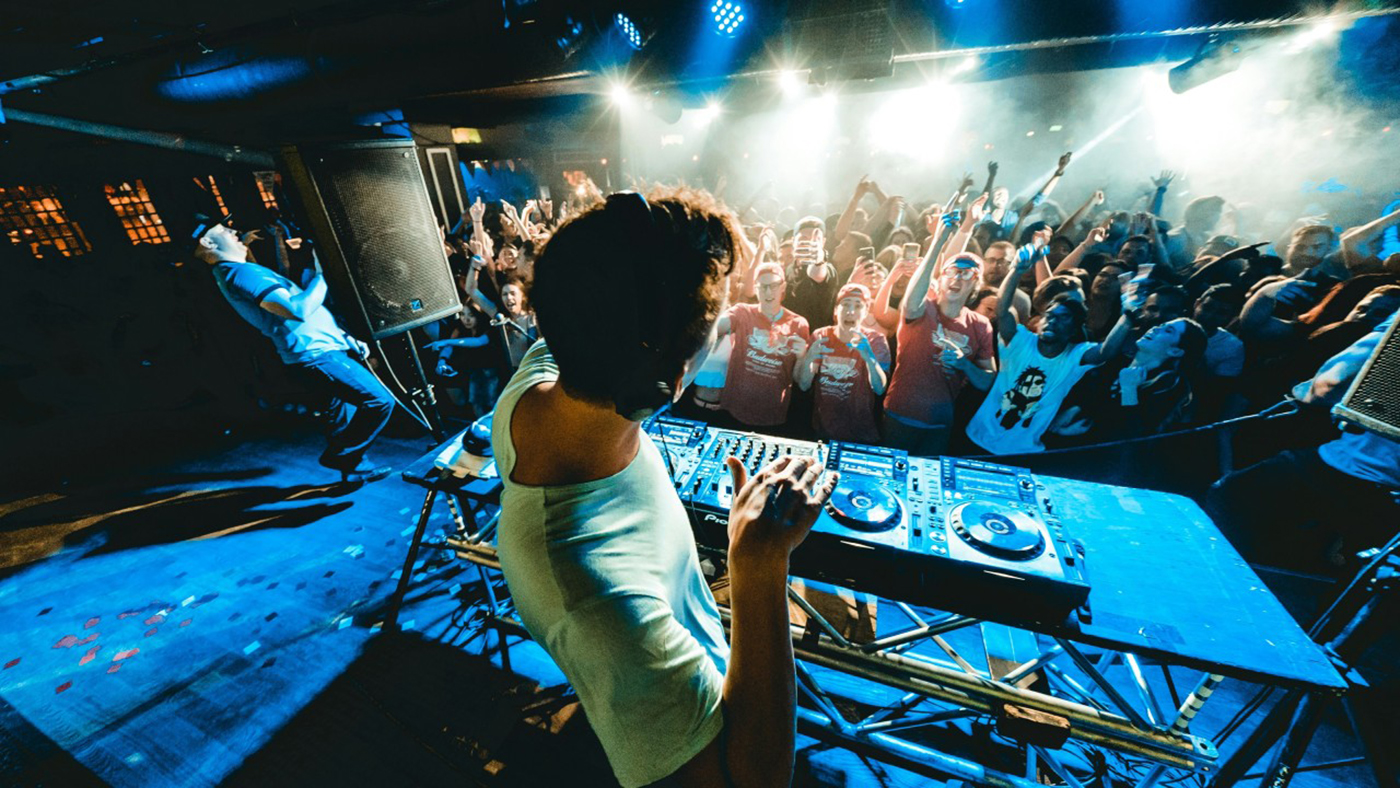
There’s a quiet but undeniable revolution happening in the world of nightlife. It’s not in the VIP lounges or beneath the strobes of glossy mega-clubs. It’s happening in forgotten warehouses, in cramped kitchens, in parks and industrial estates where young people are finding new ways to connect, to dance, and to feel free. As traditional venues struggle to bounce back post-pandemic and the cost-of-living crisis tightens its grip, a new wave of nightlife is taking root, raw, communal, often unlicensed, and deeply personal.
For many, going out no longer holds the carefree release it once promised. Social anxiety is at an all-time high, particularly among a generation shaped by lockdowns, remote living, and prolonged isolation. The nightclub, once a haven of anonymity and expression, can now feel overwhelming, loud, crowded, and heavy with unspoken expectations. Add to that the spiralling cost of a night out, entry fees, drinks, travel, food, and what used to be a regular social ritual has become an occasional luxury, or a financial stretch too far.
But the desire to gather, to move to music, to lose ourselves and find each other, hasn’t gone anywhere. It’s just changing shape. Free parties, DIY events, and intimate house gatherings are rising in popularity, not as temporary stopgaps, but as intentional alternatives. They offer a different kind of experience: more inclusive, more affordable, more human. There’s no pressure to perform, no curated dress codes, and no one charging you £6 for a pint. Just good people, decent sound, and a shared understanding that this is something worth preserving.
These spaces aren’t just attractive because they’re cheap. They speak directly to those left out or left behind by mainstream nightlife: those with social anxiety, the neurodivergent, those priced out of urban venues, and those simply seeking something more authentic. A living room becomes a dance floor. A warehouse becomes a sanctuary. These environments feel like home, because they’re built from the ground up by the people who need them most.
Meanwhile, the traditional nightlife industry is at a crossroads. Many venues are still trying to lure people back with the same formula: big-name DJs, bottle service, slick promotion. But the issue isn’t just who’s on the line-up, it’s the entire model. For years, club culture in the UK has veered increasingly towards exclusivity and profit. Now, it risks becoming inaccessible to the very people who once gave it life.
That’s not to say clubs don’t have a future, they absolutely do. But survival will depend on how well the industry listens and adapts. Promoters and venue owners need to reimagine what a “night out” can be in 2025 and beyond. That could mean more accessible pricing, flexible formats, earlier hours, sober-friendly zones, and safer spaces designed with neurodiversity and mental wellbeing in mind. It’s about shifting the focus from profit to people, from spectacle to connection.
There’s also a need to support and legitimise the underground. Free parties and unlicensed events are often criminalised or dismissed as antisocial, but in reality, they’re a cultural response to a system that’s failed to accommodate joy. They are acts of resistance, community building, and creativity. And if the mainstream can’t (or won’t) meet people where they are, these alternative scenes will continue to flourish, whether or not they’re sanctioned.
What we’re witnessing isn’t a rejection of nightlife, it’s a reclamation of it. The commercial club model may have lost touch, but the spirit of the rave is alive and well. It’s in the DIY sound systems hauled across muddy fields. It’s in the WhatsApp group chats sharing pin drops. It’s in the kitchens, the basements, the rooftops. A new kind of nightlife is forming, one that values freedom, inclusion, and community over profit.
We may well be coming full circle. Before clubbing became an industry, it was a movement. The acid house generation knew that. The free party crews of the ’90s knew that. And now, once again, the scene is shifting back to its roots, not because people want to stay underground, but because they feel pushed there.
If a night out has become a luxury, then the free party is the antidote. And for a generation grappling with economic precocity, mental health challenges, and the lingering effects of social disconnection, these spaces are not just desirable, they’re necessary.
So perhaps the question isn’t “Will people keep going out?” but “What does going out mean now?” The answer isn’t in glossy flyers or festival wristbands. It’s in the quiet roar of a bass-line drifting through a housing estate. It’s in the late-night laughter of a house party. It’s in the people who are still dancing, still gathering, still finding ways to connect, against the odds, and on their own terms.
Michael Kill FRSA FIH is the CEO of the Night Time Industries Association; Chairperson UKDSA; Vice President International Nightlife Association; Trustee Nine Point Eight Charity.
This article is published with permission from Michael Kill, first published on September 28, 2025 as part of Nightlife Article Series.