

El Kydd: Shuffling the Rules with the London Dyke Deck
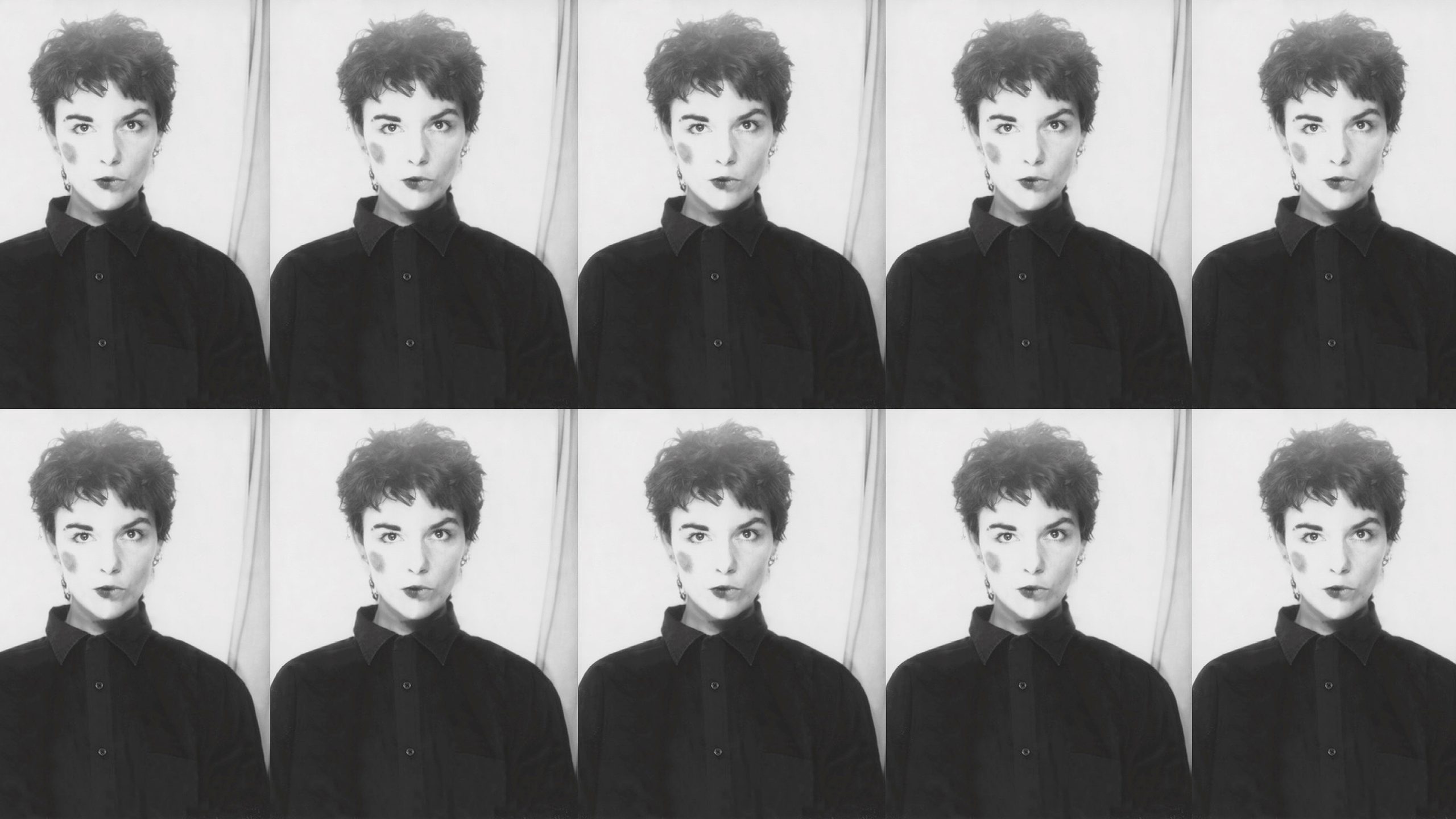
Image Credit: From London Dyke Deck. Photography by Ellen Kydd ellenkydd.com | London Dyke Deck londondyke.com
For El Kydd, photography has always been a way of finding people. An only child with what they describe as “itchy feet” and intense curiosity, El was selling handmade Christmas cards at ten, recording music at 14 and publishing an arts magazine to sell at their local market by 16. Art offered a language outside formal education – and, importantly, a way of making friends.
That instinct has carried through a restless creative life spanning photography, publishing, modelling and events, from studying Fashion Photography at Falmouth and Fine Art at UCA to working in Italy and the UK. Their camera became a passport into other people’s worlds: artists’ studios, nightlife and, increasingly, London’s queer communities. Now El has turned that instinct for connection into their most ambitious project yet.
The London Dyke Deck is a pack of playing cards featuring 60 contemporary dykes, photographed in analogue photobooths and loosely dealt into four suits – Femme, Butch, Trans and Non-Binary. Inspired by Catherine Opie’s seminal 1995 Dyke Deck, El’s version gives its participants agency over how they’re seen, while its accompanying Terms & Conditionings deliberately questions the labels we use to understand ourselves and each other.
Launched at The Photographers’ Gallery in September 2026, the Deck isn’t intended to sit politely on a shelf. El calls it a “performative publication”: a living artwork now moving into London’s physical spaces through events and collaborations that spotlight the writers, DJs, dancers, painters, photographers and makers within its community. Sales are also helping seed El’s next collaboration with Rain Reeta Loi, spotlighting Trans+ dykes from South Asian communities.
At a moment when so much of life is experienced through a screen, El’s proposition feels refreshingly physical: show up, make something, shuffle the rules and find each other.
So, be a Player. Buy the Deck. Find El’s community and join them. Take a friend dancing, support a queer venue, squeeze into an analogue photobooth, play some cards. Be a Queen of Hearts, a King of Spades or, when the rules need changing, play the Joker.
Before the degrees, exhibitions and commissions, who was the younger El Kydd? Where did you grow up, what were you drawn to, and when did making things begin to feel like something you might actually build a life around? Looking back, was there an instinct, obsession or bit of youthful audacity that you think young creatives should protect rather than learn to grow out of?
Growing up, I was always hungry to make things, to meet people. As an only child, I’d clocked that if I could create things – be that through pictures, music, writing – I could make friends with others. It was a language that formal education couldn’t prescribe, and came from a place of itchy feet, & an intense curiosity. At 10, I was selling handmade christmas cards; at 14, I’d recorded a seven-track CD with my best friend; by 16 I’d released an arts magazine that I sold on the local market. These ventures came from a need to learn, to explore, to feed the fire – and I’ve carried this through my twenties, working in various different arts related jobs in both Italy & the UK, absorbing different experiences and cross-pollinating skills. Never a dull day…
Whether photographing events, shooting portraits, designing publications, life modelling, events programming.. the thread in my professional work is that same initial interest I always had with meeting people, being part of a something – and creating my own path beyond the linear in order to keep that going. I don’t know exactly what might be next, and I lean into that openness.. it always surprises me.
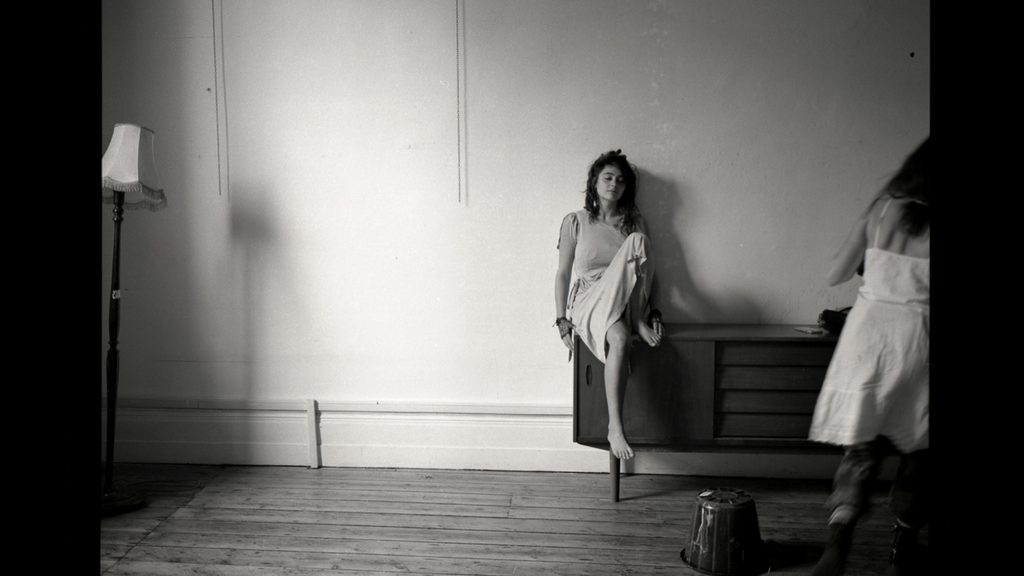
Image Credit: “Departure”, Falmouth. Photographed by Ellen Kydd ellenkydd.com
You’ve described your earliest photography as almost like collecting film stills from everyday life – walking around cities, observing people, but also feeling slightly like an outsider. Portraiture seems to have brought you closer, turning looking into conversation and eventually participation. What were you searching for then, and what have all those encounters with strangers, artists, lovers, friends and communities taught you about who you are now?
Each encounter I have with another person, with other people, serves as a sort of ‘echo location’ for the self… by that, I mean we each build a greater sense of who we are through these interactions – and who we are not. There is no “I” without the “other”!
I was more timid when I was younger (would you believe), but found confidence with my camera. Initially photographing scenes as I walked around my local area – which includes 18 different places since I turned 18 – I learned so much, simply by looking. That’s what I love about photography. There’s a meditation in observing, an immersion in the present moment that enables you to get ‘closer’. But there came a point when I realised all these photographs were from an outsider’s perspective looking ‘in’… the visuals were great, but I craved conversation, craved dialogue and to know more about the people I photographed. I also didn’t fancy hijacking somebody else’s narrative.
Having been to the arts university in Falmouth, then spending a year in Florentine art schools, I knew a lot of artists – so I began photographing them in their studios. These sessions continue to bring great joy as I’m be able to see BTS of an artist’s mind, and the conversations we have always teach me something.
I also make photographs that dabble somewhere between portraiture, documentary, art… I guess that’s a queer approach. These works tend to build over longer periods of time, and it is the editing process that reveals the depth, the emotion etc.
Advised by an early mentor, Graham Cornthwaite, I’ve always carried a camera. More recently, my pictures have been reflecting my life among queer community; the act of taking these photos are sort of ‘entry-points’ that initiate interactions… and slowly slowly I’m feeling more part of this queer fabric. It seems the camera has been my way of making friends, it’s a way of making a life.
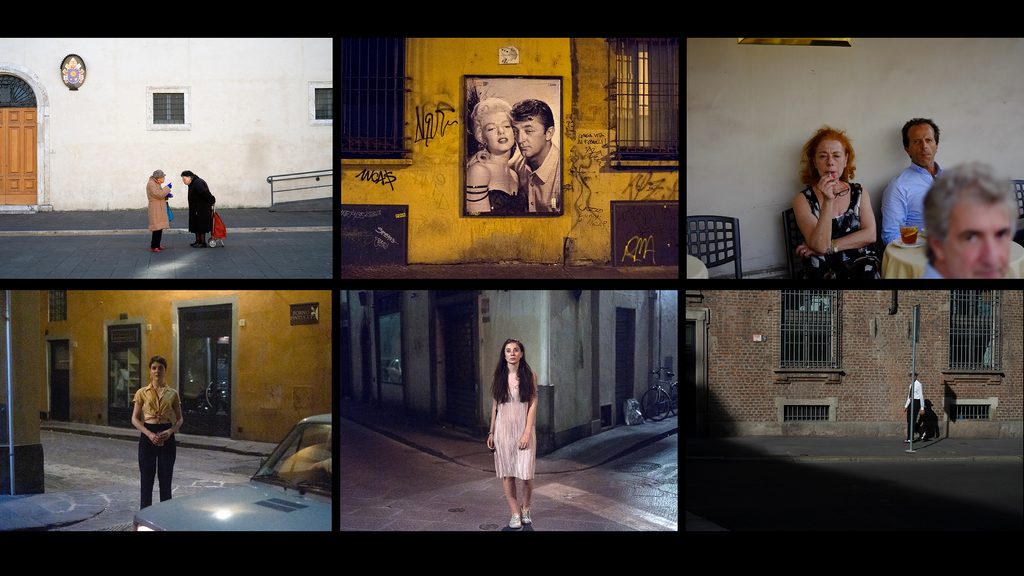
Image Credit: Film Stills from Life, Ascoli Piceno / Bologna / Roma / Firenze / Milano. Photographed by Ellen Kydd ellenkydd.com
There’s a fascinating contradiction running through your work: you trained to become fluent behind the camera, yet with Anima and now the London Dyke Deck you increasingly relinquish control, allowing the person in the photobooth to make and choose their own image. What happens when the photographer steps outside the curtain?
It’s made me laugh that neither of my photographic publications, ANIMA or London Dyke Deck, feature pictures where I’ve hit the shutter. But I have good reason for this. Those portraits aren’t about me.
Working as a model in Florence, where I sat for several portaits made in charcoal, oil paint, clay.. it fascinated me how skilled these artists are to recreate visual likeness of the sitter’s features. Though there is a difference between likeness – and capturing somebody’s essence, really listening to who they are. As a portrait photographer, enabling this expression from the sitter is fundamental. In my sessions, the best shots come when there is a balanced dialogue – one that is visual, genuine and reflects elements of the subject’s personality/energy/mood. There’s a goosebump moment that occurs when you know you’ve both hit the balance right.
For London Dyke Deck, I want to acknowledge the significance of agency that comes with being in a photobooth. In a queer context, such spaces have tradtionally been safe places where folk can make photos of themselves as they are- without external observation, and without a third party potentially damaging/losing the film, or even exposing the subjects to local authorities. This was a real threat during a time when homosexuality was illegal. A nod to this poignant photographic method of self-portraiture has been important.
The booth is at once a public and an entirely intimate space. Each subject was encouraged to show up how they chose, enabling each dyke to reveal themselves as they wish to be seen. As an identity-based body of work, this method of making felt important. I might add though, whilst the shots themselves are self-directed, the conversations that occurred outside the booth enable an atmosphere – one of excitement of curiosity, of comfort. It’s not always easy having your photo taken, so my role is to put each person at ease. I may not have hit the shutter, but I’ve been present in the whole process. There’s also a few rolls of film with photos I’ve taken outside the booth – so I’ll release these at some point too.
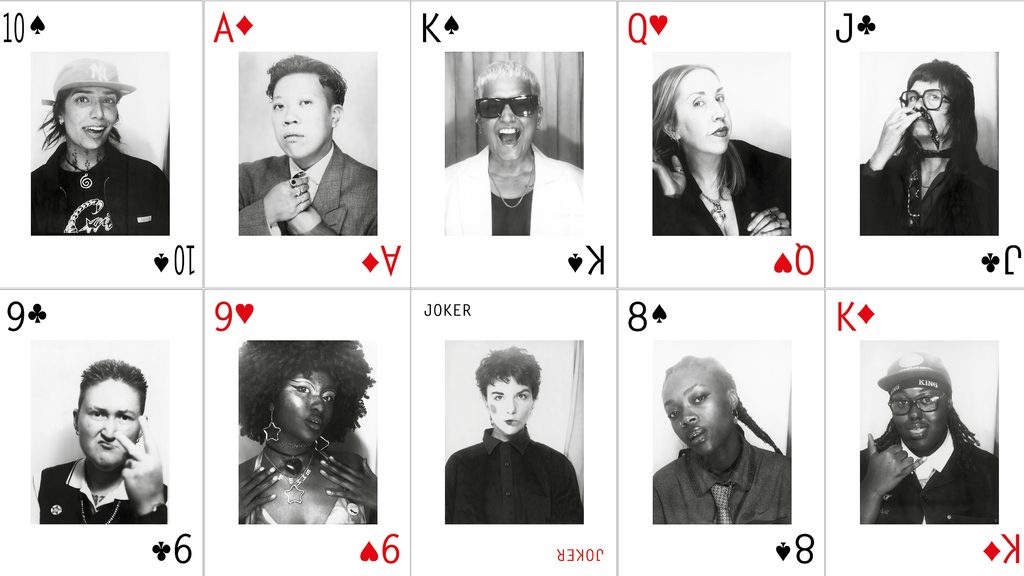
Image Credit: From London Dyke Deck, featuring Cathy Opie. Launched September 2026. Spades – Non-binary / Diamonds – Trans / Hearts – Femmes / Clubs – Butches. London Dyke Deck londondyke.com
The London Dyke Deck began in dialogue with Catherine Opie’s 1995 Dyke Deck, but it has become a distinctly London document – 60 contemporary dykes, analogue photobooths and four deliberately slippery suits of Femme, Butch, Trans and Non-Binary. How did you go about finding this extraordinary cast, and what did the people you met teach you about the identities, contradictions and connections within London’s dyke community in 2026?
Initally I asked my mates, thinking it would be cool to have our faces on a pack of cards. At one of the Dyke March socials, which I photograph frequently, I starting some mutterings about the idea – and it quickly latched on. So it became clear there would be interest. Knowing Cathy Opie’s work, the thought that she could be one of our jokers then planted itself – and I began playfully suggesting to various folk that it would be brilliant to include her, all the while hoping that somehow, somewhere, some dyke may be able to put me in touch with Cathy… This was to be Gemma Rolls-Bentley, Queen of Femmes, who I met via Anka Dabrowska, Queen of Butches, who I knew via Dylan, Six of Trans…
Central to the creation of the London Dyke Deck has been the need to represent dykes of all flavours. Extending across generations, ethnicities, social backgrounds, genders. Conversations around race are incredibly important – things like the association of whiteness with ‘butch’/’femme’ terms, or the use of ‘non-binary’ enabling something outside of a colonial structure for gender whilst still not quite hitting the mark with its meaning. Many of these comments are referenced in the Deck’s accompanying Terms & Conditionings, a document which records each dyke’s response to what their chosen suit means for them. The T&Cs provide a space for expression around our nuanced identities, hopefully sparking wider discussion. I’ve certainly learned a lot about our varied identities through making the deck, and will be bringing this awareness forward in my work, my life and relationships.
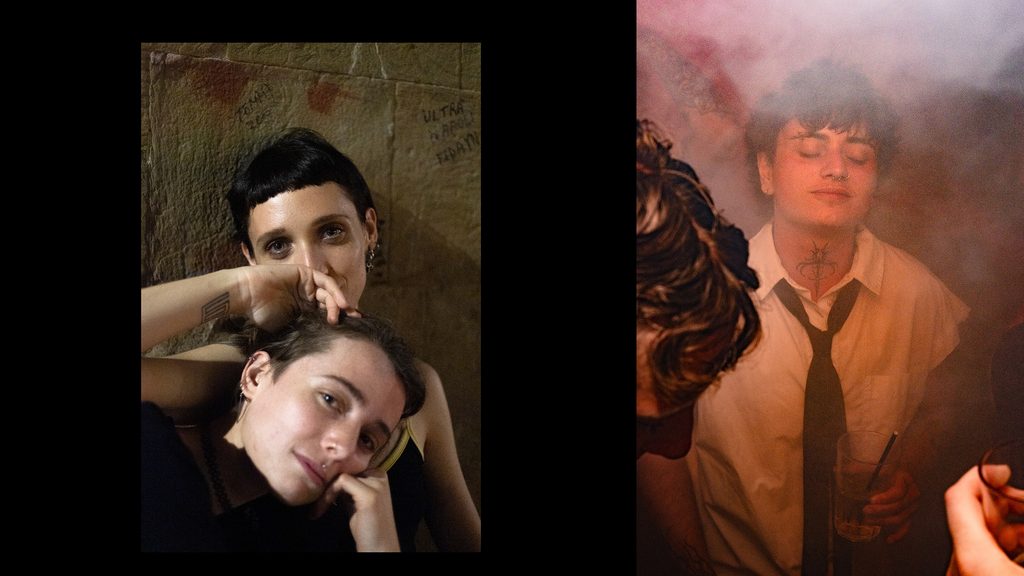
Image Credit: Queer Nightlife, Florence and East London. Photographed by Ellen Kydd ellenkydd.com
The Deck is wonderfully playful, but underneath the game sit some serious questions about who gets to name us, how we recognise one another and whether inherited social rules can be shuffled and dealt differently. Why were playing cards the right vehicle for those ideas?
Printed alongside the Deck is an essay written by artist Eleanor Cox, who features as our King of Hearts: “Over centuries, playing cards have circulated satire, political messages & propaganda, moving easily between entertainment, political ideology, resistance & instruction. Passed from hand to hand, cards communicate Folklore traditions and impart racist, fascist, communist or radical ideologies. And they have helped to raise revolutions against the bourgeois. Revealing stories of authority and morality, cards have taught us to play our lives amongst luck & risk. They remind us that the systems we inherit are often learned through repetition & play, becoming so familiar they begin to be mistaken as natural.”
In today’s context, card games offer the same value for shuffling structures – an inherently queer approach. The act of playing cards requires us to be in the same room, which is something I believe to be increasingly important as the internet age absorbs us into a doomscroll – weakening genuine connection, and demobilising us from behind a screen. Being with one another, whether we are playing cards, dancing, poetry slamming, making things… these spaces put us in a certain frame of mind that enables creative thinking. This, paired with the social element of sharing the same physical space, provides an opportunity to engage in conversations and seek resolutions together. It would be foolish to think that just because we are all Dykes, we’re gonna get on. But I’d suggest that as queer folk – particularly in this politcally challenging time – we need to recognise our common ground, and stick alongside one another.
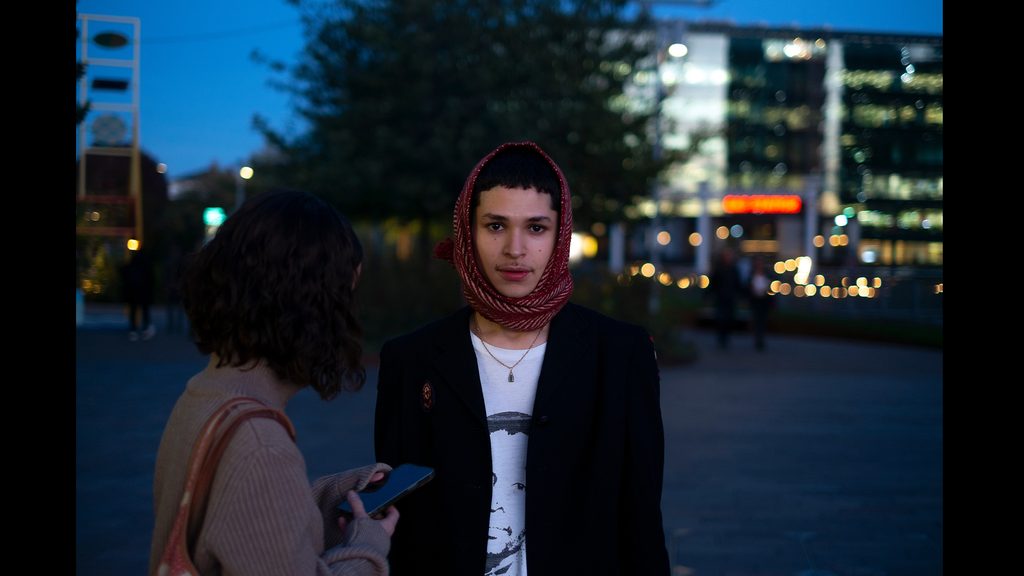
Image Credit: Outside the Art School, London. Photographed by Ellen Kydd ellenkydd.com
What excites us is that the London Dyke Deck doesn’t end as a beautiful object on someone’s shelf. You’ve called it a “performative publication”, with plans for poker nights, drag shows, magicians and gatherings in lesbian and queer spaces. What do you want to happen when the cards leave your hands and enter a room full of people – and how wild could this next live chapter become?
Yeah! I was thinking about something I heard mentioned earlier this year regarding how the photobook is ‘dead’. This kinda stuck with me, and sparked a curiosity into how folk might continuously engage with photos – images that aren’t on a screen, photographs that can be held. So playing cards serve as a pretty cool way to do that.
At the same time, I’ve realised the value of the London Dyke Deck can serve as a vehicle to bring folk together. I’m hence developing a series of events and collobarations that will enable this publication to keep ‘breathing’. The programming seeks to spotlight these London Dykes, who each have their own talents – among us are painters, writers, DJs, dancers, photographers, makers and so on… There’s also a whistle of a thought about expanding this set of archival portraits – I have the orginal photostrips safely stored for future records. In the past few months, I’ve met so many dykes I could make a few double-decks. Not a bad place to be in… So I’m also exploring ways to honour this and enable further representation, further imagery that says Oi! We are here. On that note, any dykes out there – make yourselves known!
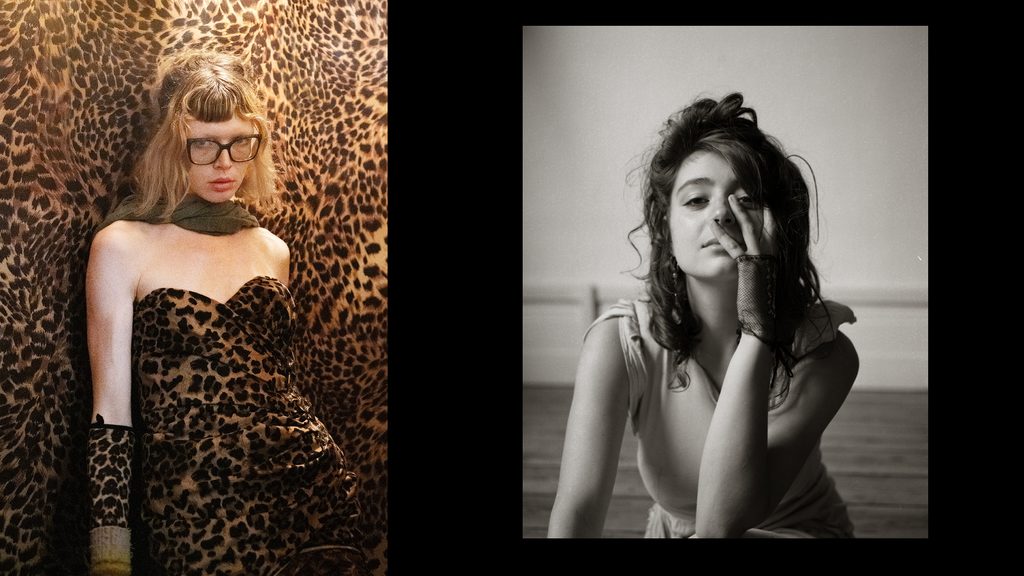
Image Credit: Portraits, East London and Falmouth. Photographed by Ellen Kydd ellenkydd.com
You’ve spoken passionately about slower ways of making, analogue processes and keeping something human and soulful in art, and you’re now circling ideas around persona, queer performance, drag and clowning. At this point in your life, what are you hungry for creatively and personally? What are you trying to understand, who are you becoming, and what do you hope your work might make possible for other people?
At this point, I’ve developed my craft to a stage where I’m able to pair it with purpose.
There will always be a social responsibility underpinning what I make; the photographs I take aren’t aesthetic tokens, they are built through daily interactions, through shared interests, through tenderness and grit. Staying true to this means the work I make will come a place of sincerity – something I’ve observed in other artists I admire such as Zanele Muholi, Sunil Gupta, Tessa Boffin, Jesse Glazzard, Zach Toppin, Tamiko Nishimura, Nan Goldin… to name a few.
There is a need for agility in my approach to making. I’m excited to be collaborating with Rain Reeta Loi on a publication that will spotlight Trans+ Dykes in the South Asian community. The initial funding from this is coming from sales of the London Dyke Deck. The idea that one creative project can enable another is so energising.
For my personal practice, I also want to get into the dark room and explore using traditional analogue methods of photography. I want to keep a tactile, tangible element of making at the core of what I do – blending the lines between genres, queering the narrative, using photography as a touch point for real life.
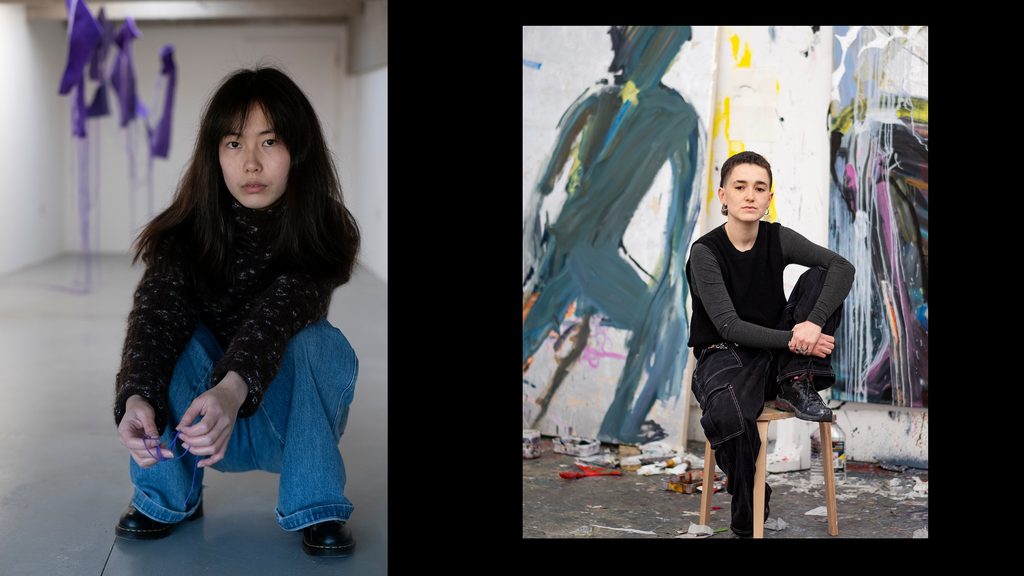
Image Credit: Portraits of Artists Qianyang Kong and Irene Anguitas in their Studios. Photographed by Ellen Kydd ellenkydd.com
Finally, deal us three cards from your personal London: which three cultural places would you send a Run Riot reader to – a gallery, club, pub, cinema, bookshop, queer haunt, strange corner or somewhere entirely unexpected – and what piece of your own London story does each one hold?
Joiner’s Heart – A community-run, wheelchair accessible, LGBTQIA+ pub and performance space in Hackney that has just opened its doors after the closure of The Joiners Arms a decade ago. It’s now owned by more than 2,000 community shareholders – which demonstrates the love that has been poured into ensuring its longevity.
Autofoto Photobooth – The one by Netil House, in Hackney. It’s where the majority of the deck was photographed – there are lots of others though, helpfully mapped out at autofoto.org Great fun and an old-school way of taking pictures – using traditional analogue methods!
Hampstead Ponds – Every time I immerse myself in those waters I come out feeling a bit lighter. Keeping access to these natural spaces for everyone is important too so if you’re going, consider inviting a trans+ friend. Means more than you might realise for trans+ folk to have allies – and to simply show respect towards one another.
Find name at El at ellenkydd.com and @ellenkydd
Find The London Dyke → londondyke.com and @thelondondyke
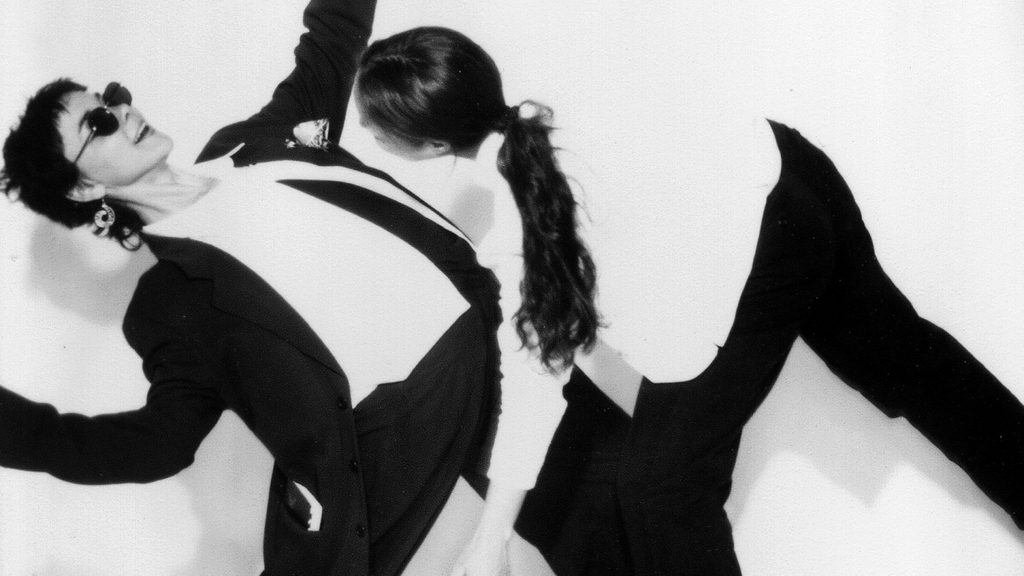
Image Credit (above): ‘Self portrait’. Photographed by Ellen Kydd ellenkydd.com
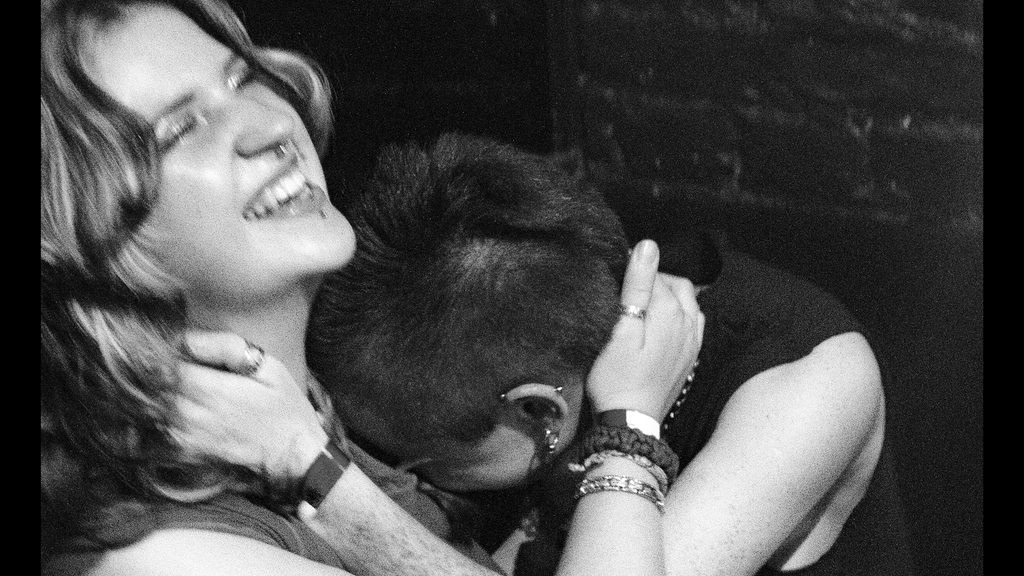
Image Credit: Photographed by Ellen Kydd ellenkydd.com
