

B. Åkerlund: Why ‘Too Much’ Is a Creative Superpower
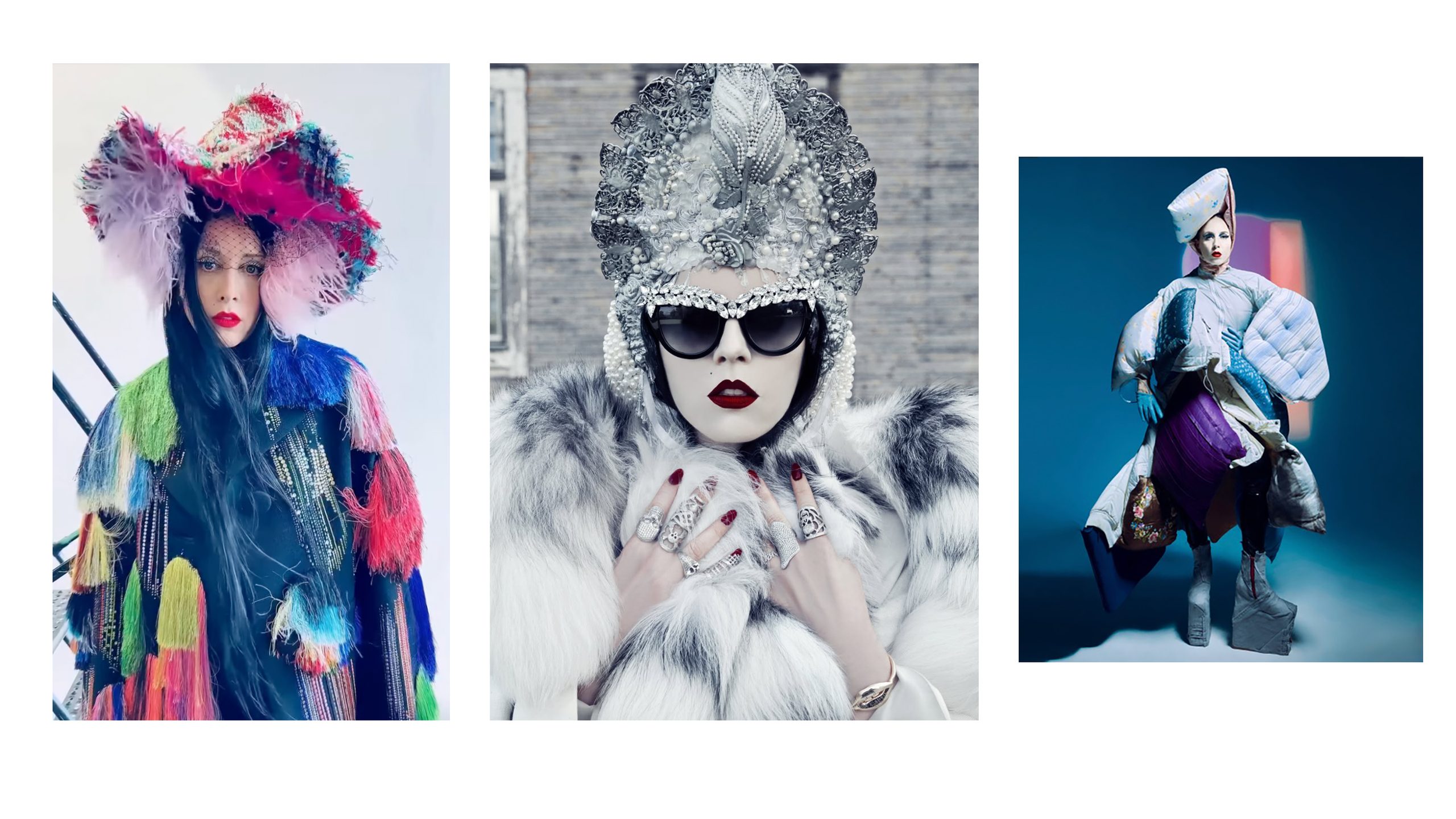
Image Credit: B. Åkerlund. Courtesy @bcompleted
B. Åkerlund has spent her career proving that “too much” can be a superpower. The Swedish-born fashion activist, stylist, costume designer and creative director began styling at around 17, without fashion-school training and, crucially, before she had learnt the rules she might be expected to obey. “I knew when something felt right, even if I couldn’t explain why,” she tells us. “The young B. didn’t overthink it, she just went for it.”
That instinct has since helped create some of pop culture’s most memorable visual worlds. B. has worked with Madonna, Beyoncé, Lady Gaga and Rihanna, and masterminded the costumes for London’s ABBA Voyage. Yet beneath the extraordinary client list sits a bigger proposition: fashion as storytelling, armour, fantasy, protest and identity. Her self-described role as a “fashion activist” means using her platform to create opportunities for emerging designers and independent makers. As she puts it, “visibility without opportunity doesn’t pay somebody’s rent or allow them to keep creating.”
Now B. is thinking increasingly about purpose, mentoring younger creatives, championing craftsmanship and taking her own storytelling further into costume design for film. And this week brings a beautifully curated meeting of minds: B. joins artist, designer and fellow magnificent maximalist Daniel Lismore in conversation at Joe Corré’s Light House in Soho. Both understand getting dressed as something far more interesting than simply looking fashionable. “It can be armour, fantasy, protest, humour, identity and art,” says B. Better still, she hopes they won’t agree about everything.
The timing feels deliciously apt. London Fashion Week arrives later this week, but B.’s message cuts through the churn of trends: learn the craft without allowing the rules to rule you. London itself appeals to her for much the same reason – a collision of “punk, theatre, aristocracy, street culture, tailoring, fetish, music, museums”, and a city that gives her “permission to be eccentric.”
So take B.’s lead this week. Wear the thing you’ve been told is too much. Buy something from an independent designer. Hunt down an extraordinary piece of vintage. Go somewhere that feeds your curiosity. And when someone suggests becoming a little more easily understood, remember B.’s warning: the thing they don’t understand today may be exactly what they hire you for tomorrow.
You began styling at around 17, without fashion-school training, at a time when your own life was still taking shape. Looking back at that young B. now, what did she understand instinctively that you’ve spent your career learning to trust?
I think at 17 I understood instinct before I even knew what instinct was. I didn’t know the rules, so I wasn’t afraid of breaking them. I knew when something felt right, even if I couldn’t explain why.I’ve spent my career learning to trust that feeling again. Experience gives you knowledge, but sometimes knowledge can also make you second guess yourself. The young B. didn’t overthink it, she just went for it.
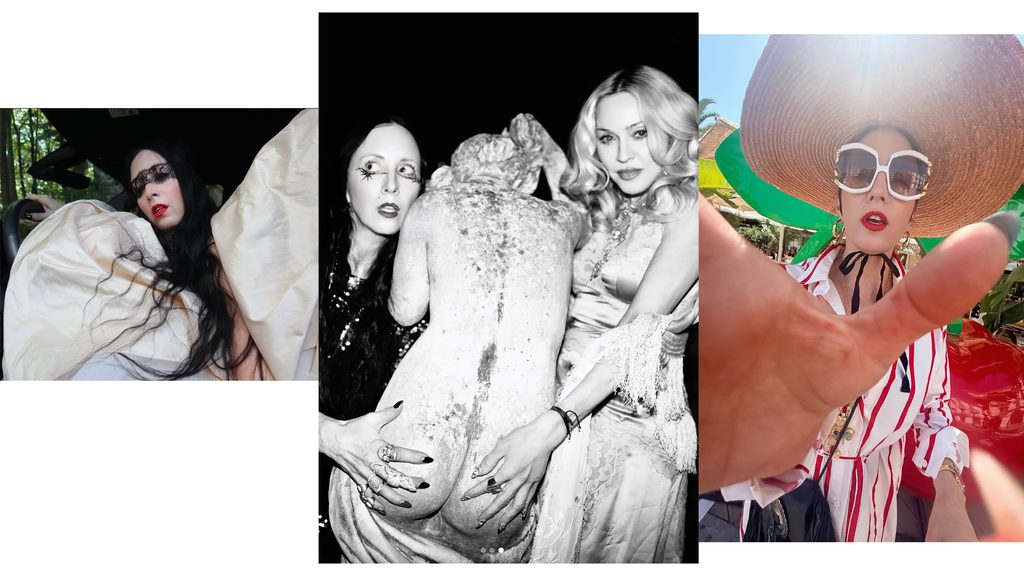
Image Credit: B. Åkerlund. Courtesy @bcompleted
Early in your career, you were apparently told you were too wild and should tone yourself down. Instead, being “too much” became part of your creative power. For a young artist being encouraged to become more sensible, employable or easily understood, how do you know which advice to take – and which advice could extinguish the thing that makes you special?
I’ve been told I’m too much my entire life, too wild, too loud, too extreme, too many ideas. Eventually I realised that “too much” was actually my superpower.Of course you have to learn your craft, listen, collaborate and be professional. But there is a difference between advice that helps you become better and advice that asks you to become smaller. If someone is asking you to remove the part of yourself that makes you different, I would be very careful about taking that advice.You can learn the rules without becoming ruled by them. The things people don’t understand about you today may be exactly what they hire you for tomorrow.
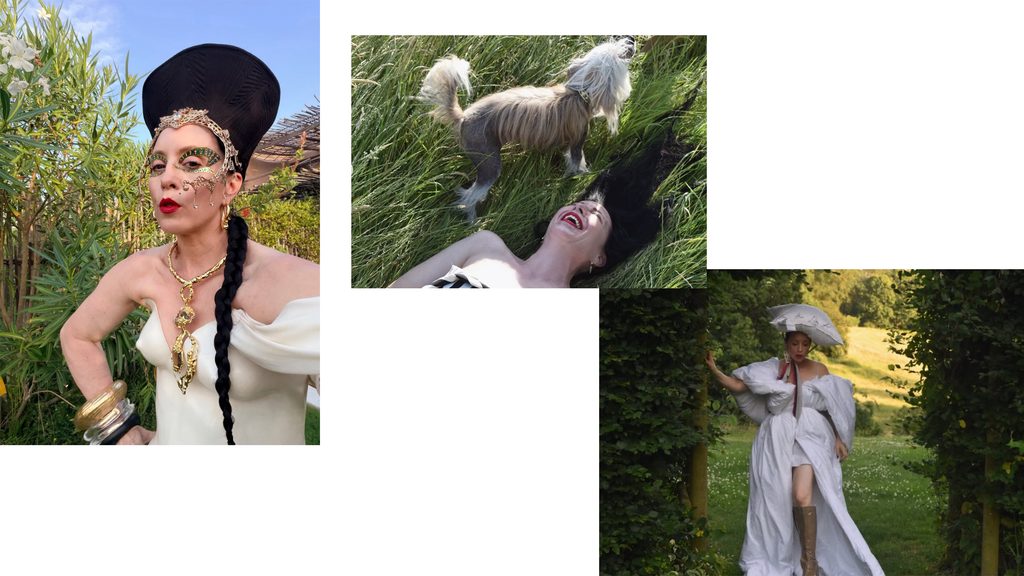
Image Credit: B. Åkerlund. Courtesy @bcompleted
You call yourself a “fashion activist”, and supporting emerging designers and independent makers runs through your work. At a moment when visibility can be mistaken for value, what do you think we need to do differently to ensure genuinely original creative people can build sustainable lives, not simply have their moment in the feed?
For me, being a fashion activist means using whatever platform I have to give other creatives a platform too. I’ve always loved discovering emerging designers, independent makers and people creating things because they have something to say. Visibility is great, but visibility without opportunity doesn’t pay somebody’s rent or allow them to keep creating. We need to buy their work, commission them, credit them properly, introduce them to people, bring them onto jobs and keep supporting them after the Instagram moment has passed.Fashion needs new voices to survive. If we only keep recycling the people who already have access, eventually everything starts looking the same.
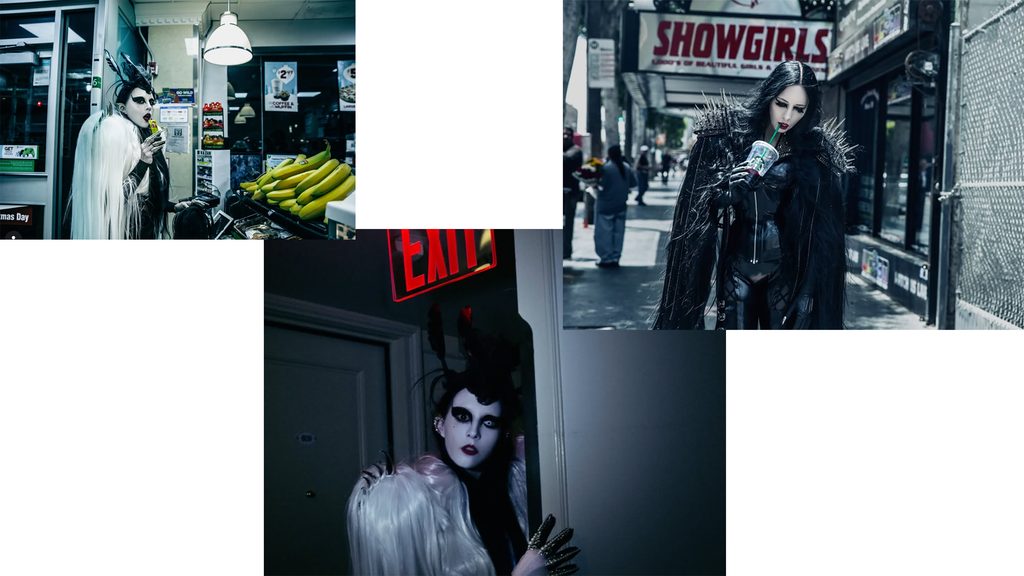
Image Credit: B. Åkerlund. Courtesy @bcompleted
Your work with Madonna, Beyoncé, Lady Gaga, Rihanna and ABBA has helped create images seen by millions. When you’re building someone else’s visual identity, where does B. end and the person you’re dressing begin?
I never want the person I’m dressing to disappear underneath my ideas. My job is to understand who they are, where they want to go, and then help push that version of themselves somewhere unexpected.Obviously my fingerprints are there, otherwise why hire me? But the best collaborations happen somewhere in the middle. It becomes this third character that neither of us could have created alone. With artists at that level, they already have incredibly strong identities. I’m not there to put a B. Åkerlund costume on them. I’m there to listen, challenge, provoke and hopefully help create an image that becomes part of their history.
At Light House you’ll be in conversation with Daniel Lismore, another glorious advocate for dressing as self-expression, art and resistance. The evening brings together two people who have made a virtue of refusing to disappear into the crowd – what excites you about meeting Daniel in conversation, and what do you hope the two of you might get people thinking, talking or arguing about afterwards?
Daniel and I both understand that getting dressed can be much more than fashion. It can be armour, fantasy, protest, humour, identity and art and sometimes all at once. What excites me is that I don’t want us to agree about everything. The most interesting conversations happen when people come from different experiences but share a refusal to make themselves smaller.I hope people leave wanting to dress louder, think differently and question this obsession we have with fitting in. And hopefully we argue a little bit too, otherwise it might be boring.
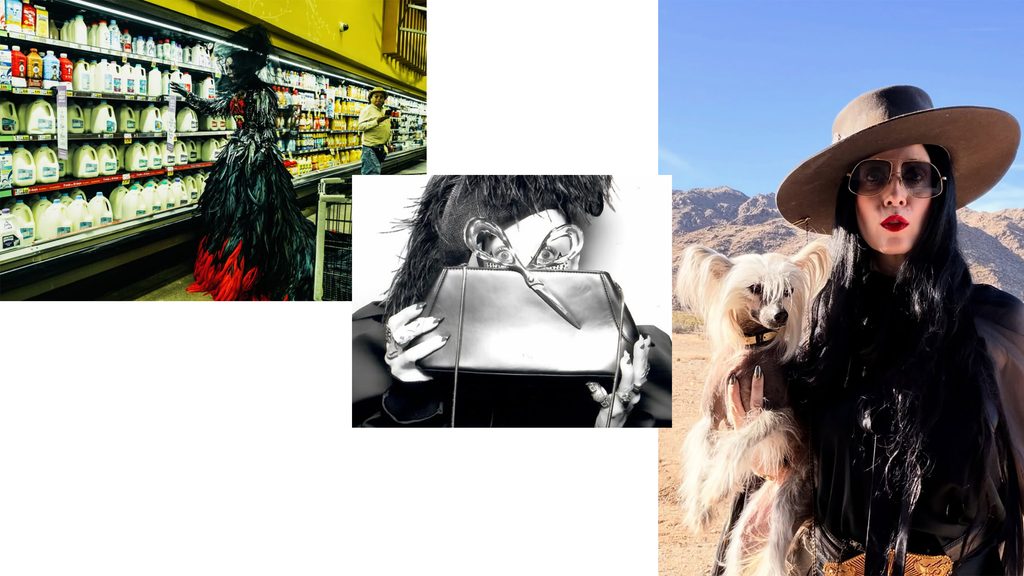
Image Credit: B. Åkerlund. Courtesy @bcompleted
London has played an intriguing role in your story, from ABBA Voyage to your work with British artists, designers and makers, and now this Soho conversation at Light House. What does London give you creatively – and where do you go here when you want to feel surprised, inspired or reminded why culture matters?
London gives me permission to be eccentric. That is one of the things I love most about it. There is history everywhere, but there is also rebellion everywhere. Punk, theatre, aristocracy, street culture, tailoring, fetish, music, museums and somehow it all exists on top of each other. I love places where those worlds collide. I can spend hours at the V&A, disappear into Dover Street Market, scavenger through vintage stores and costume houses , go to galleries, or just walk around Soho and people watch when I take my dog for a wee.
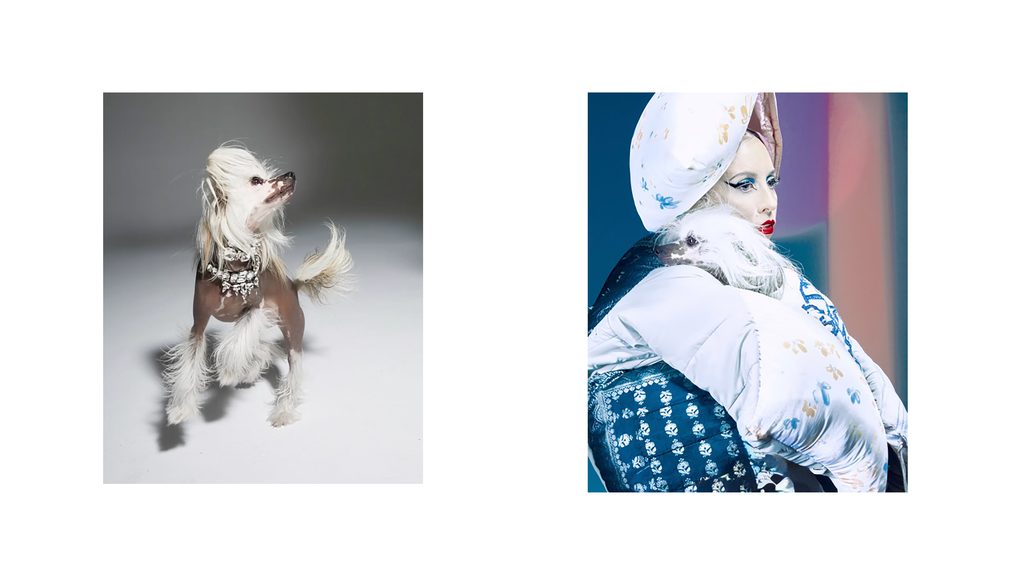
Image Credit: B. Åkerlund. Courtesy @bcompleted
You’ve lived several lives already – Swedish child, rebellious LA teenager, stylist, costume designer, creative director, entrepreneur, mother and dog lover. What interests you now that didn’t at 21? What are you still hungry to make, change or experience – and who is B. Åkerlund when there isn’t a client, camera or deadline demanding something from her?
At 21 I was hungry to prove myself. Now I’m much more interested in purpose , what am I making, why am I making it, and what can I leave behind? I’m interested in mentoring younger creatives, supporting craftsmanship, creating my own projects and putting energy into things that actually mean something to me. I still want fantasy and madness , probably more than ever but I’m less interested in doing something simply because I’m supposed to. I’ve spent so much of my life helping other people create their identities, and now I want to take my own storytelling to the big screen. I’m excited to explore costume design for film more deeply, building characters, worlds and narratives through clothing, and helping tell stories that stay with people long after the credits roll. And who am I without the client, camera or deadline? I’m still figuring that out. For now I’m a mother, friend, dog obsessed Swede, and a collector of strange things and someone who is endlessly curious. Maybe not having the answer yet is what makes the next chapter even more exciting.
Finally, please could you recommend to our readers three cultural places you love – in London. They could be a tiny club, theatre, gallery, cinema, shop, museum or somewhere harder to categorise. Where should Run Riot readers make a pilgrimage to, and why does each place matter to you?
Electric Cinema — I love the old-school glamour of it. Going to the cinema should feel like an occasion, and Electric Cinema still has that sense of escape, drama and indulgence. It’s the perfect place to disappear into a film for a few hours.
Frock Me Vintage Fair — I love the thrill of the hunt. You never know what you’re going to find, and that’s exactly what makes it exciting. Vintage has history, personality and imperfections, and one extraordinary piece can completely change the direction of an outfit.
Floating sound baths — because sometimes the most radical thing you can do is stop. I love the contrast between all the noise, movement and visual stimulation of fashion and the complete stillness of a sound bath. It resets your body and your brain, and then you can go back into the world with a little more clarity.
Find B at bakerlund.com and on Insta @bcompleted
See B IRL →
Light House Presents:
B. Åkerlund with Daniel Lismore
Light House, Soho
Tue 15 Sept, 18:30
Tickets and info → lighthousesoho.com
