

Josie Dale-Jones on unfortunately: Making Theatre About Money, Power and What We Value
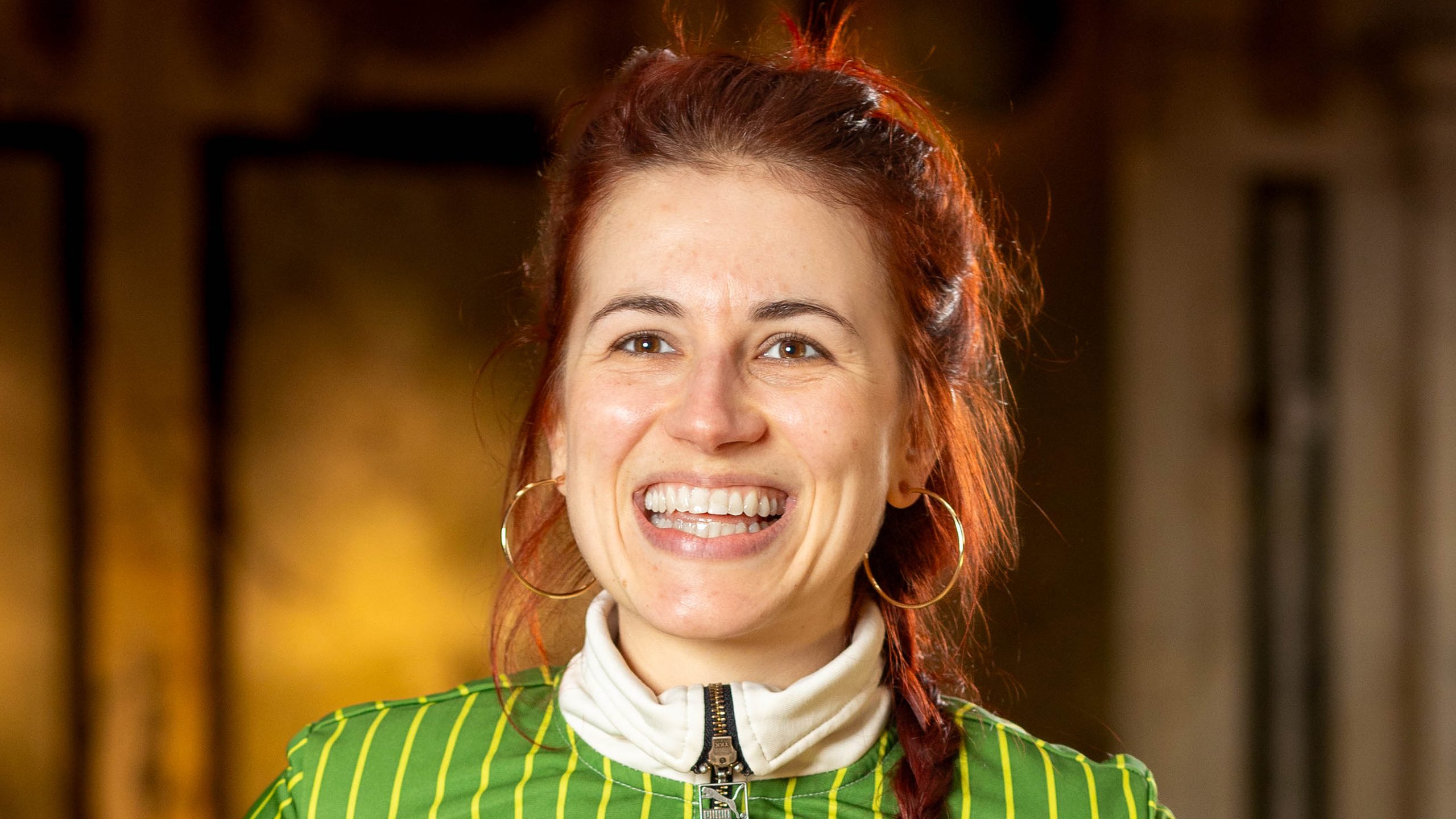
Image Credit: Josie Dale-Jones photographed by Flavia Fraser-Cannon.
Josie Dale-Jones grew up around theatre-makers, absorbing early on something surprisingly powerful: the knowledge that making theatre could actually be a job. She founded ThisEgg while still young, and some 15 years later the company remains rooted in the thing that started it – people coming together, making something, and having fun doing it. “It is still all about the people!” she tells us.
Now an Associate Company at Shoreditch Town Hall, ThisEgg makes playful, collaborative theatre that gets stuck into the knotty stuff: ecology, sexual politics, censorship, inequality and the systems shaping our lives. Josie sees theatre as an offer – a place where people can gather and “think or feel your way through something” differently.
Next up is unfortunately, at Shoreditch Town Hall from 22-26 September: part theatre show, part fashion show, and an attempt to get our heads around that slippery, powerful and strangely taboo subject – money. Through clothes, relationships, capitalism and an ingenious ticketing experiment where a £200 Philanthropist ticket subsidises eighteen £10 tickets, the show asks what our financial choices reveal about our ideas of success, security, morality and worth. “Has money become who we are?” Josie asks. “And at the expense of who?”
So, this week: talk about money. Compare notes. Share what you know. Help someone understand something you understand better. Spend somewhere that deserves it. Share a little wealth if you’ve got it. Then get yourself to Shoreditch Town Hall and join the conversation.
You grew up around theatre-makers and started ThisEgg when you were still incredibly young. Looking back, what did that world give you – and what did you have to unlearn or discover for yourself before you found your own voice?
I reckon the main thing growing up around theatre makers was the belief that doing that as your job is a possibility. And, in an industry full of uncertainty, that is huge.
Following closely on from that is probably an understanding of the realities of what being a theatre maker might be like as a career – understanding that the path is a wiggly one, full of surprises.
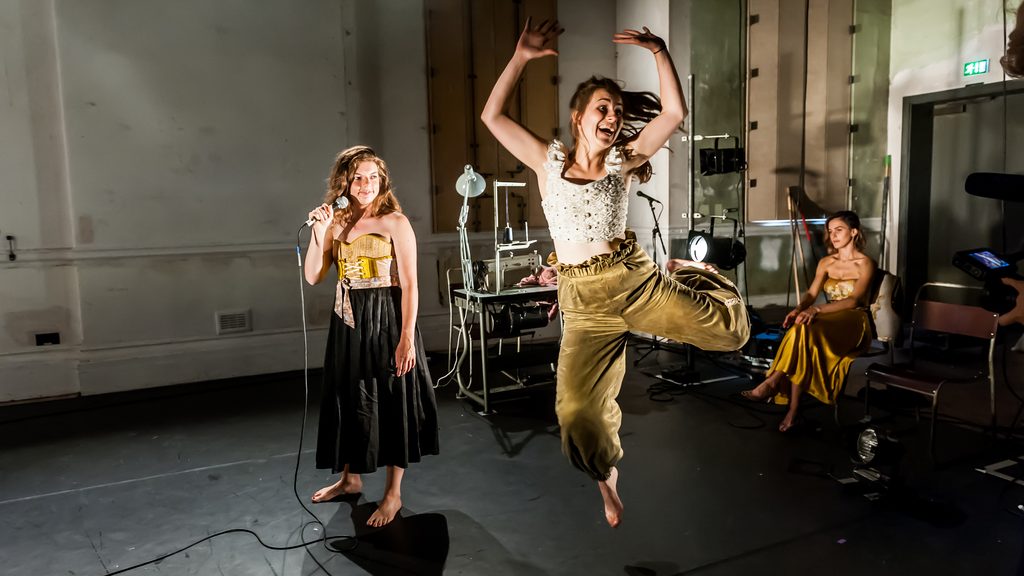
Image Credit: Lydia Higginson, Josie Dale-Jones, and Imogen Mahdavi performing. Photographed by Lidia Crisafulli.
ThisEgg began partly because you and your friends wanted to hang out and make things together. Fifteen years on, what has kept that spirit alive?
It is still all about the people! ThisEgg’s shows are made by so many people who come together to make something, and to do that in a way that they find fun.
Away from productions, funding applications, deadlines and all the practical machinery of making theatre, who is Josie Dale-Jones these days? What are you looking for in life, what gives you hope, and what do you want more of?
Ah, what a question… WHO AM I?!?!
I am very lucky, I really like my life, and if it stayed similar to how it is for a long time, I think I would be pretty happy.
WHAT GIVES ME HOPE?!?!?! Another mega question…
Witnessing people’s lives, the ways people show up for one another, committing to each other.
At the moment, I would like to do something more.
I want more time! I want time to learn more things, to meet more people, to start new hobbies, to hang out more with my mates kids, to build things (like cupboards and stuff), to mooch about doing not a lot.
unfortunately begins with something almost everybody has a relationship with, but relatively few of us discuss openly – money. Why does money overwhelm you, and what did examining how you spend, save, share and earn reveal about your own ideas of success, security and worth?
I find money overwhelming – I don’t understand it. I don’t understand the numbers and figures, the stocks and shares, the relationship between profit and debt. I don’t understand the words used to describe it. I don’t understand the logic that we’ve signed up to around it. I don’t understand why money is the one idea almost everyone has bought into. I don’t understand why we use it in the way we do. I don’t like what that says about us, what it exposes about us, but by not discussing it openly we are either pretending it doesn’t exist and/or giving it too much power. We are so unwilling to discuss it because what it often reveals about ourselves is our moral code, our ethics, what and who we believe in.
We have to look at and start to understand the human stories behind the numbers…
So yeah, when you start to break it down, it can get overwhelming.
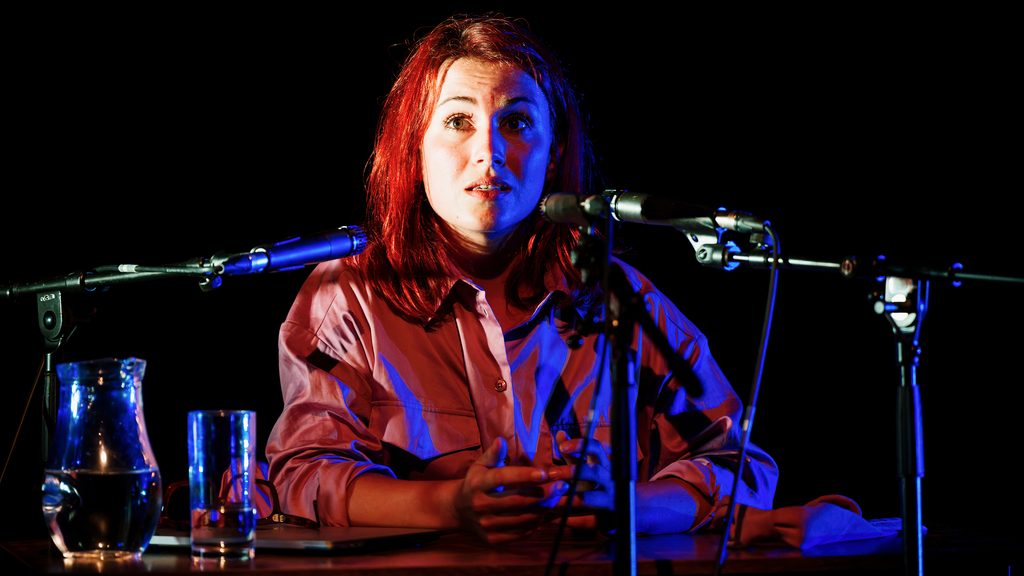
Image Credit: Josie Dale-Jones in A Little Inquest. Photographed by Alex Brenner.
Rather brilliantly, unfortunately is part theatre show, part fashion show, with audiences entering its economics before the performance even begins through £10 Subsidised, £20 Standard, £50 Disposable Income and £200 Philanthropist tickets. How did you and your collaborators develop this world, and what can a catwalk, a costume or a ticket price expose about capitalism that a straightforward conversation perhaps can’t?
Our ideas of success, security and worth are (or in capitalism, can only be) linked to money. What we wear can be an expression of money. Clothes can help us fit in, or stand out. And so playing with costume and runway as a form felt like a fun place to start.
The show explores both our relationship to money and how money effects relationships. We hope that by playing with the ticketing structure people will think about their position (specifically financially) in relation to others people. With a £200 philanthropist ticket subsidising 18x £10 tickets, it asks whether you might be able to share your wealth.
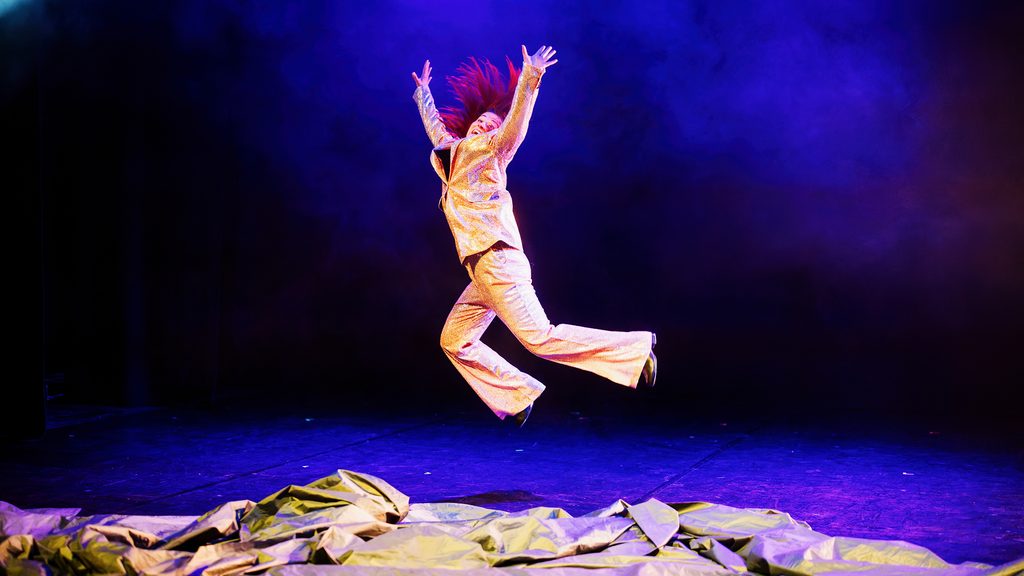
Image Credit: Josie Dale-Jones in A Little Inquest. Photographed by Alex Brenner.
Debt Justice takes the conversation beyond the stage into debt, inequality, bailiffs, colonialism and climate. At a time when many people are struggling simply to afford ordinary life, what do you hope happens when the personal question “how do I feel about money?” becomes the political question “how should we organise and share it?”
Understanding how entangled money is in so many aspects of our lives is (maybe) the first step to understanding how it could work differently.
Our ideas of success, security and worth are (or in capitalism, can only be) linked to money. Has money become who we are? And at the expense of who?
Trying to unmask our society and the way we behave is obviously a grand mission, but the show, the workshops and panel discussions hopefully open some opportunities for conversations around some really sticky and uncomfortable topics.
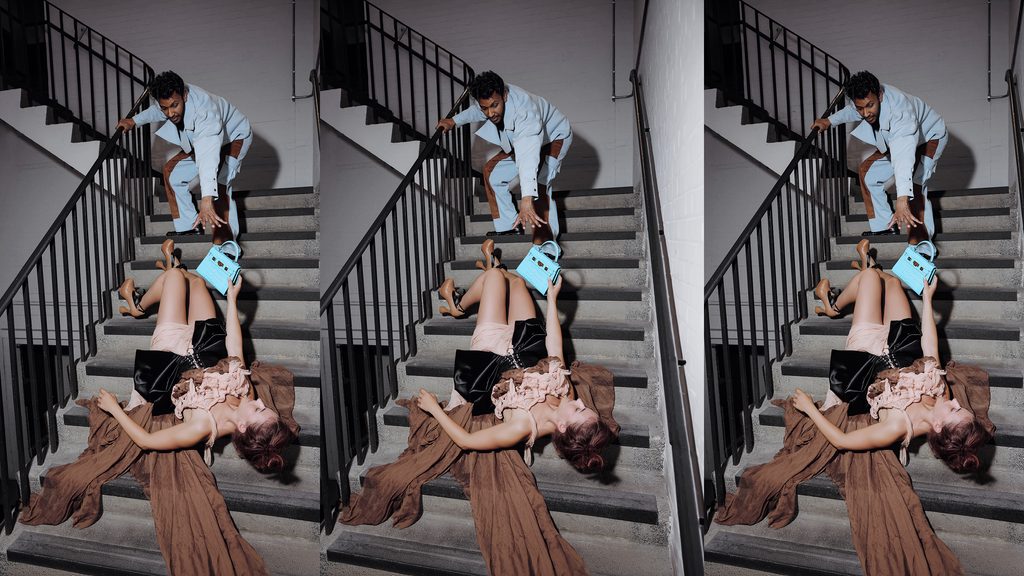
Image Credit: Production image for ‘unfortuantely’. Photographed by Rich Lakos.
You’ve described theatre as a potential force for social change. After everything you’ve experienced making work about ecology, sexual politics, censorship and now capitalism, how much power do you still believe a room full of people watching something together can have?
A theatre show is an offer, it’s a space to come together with others, to set time aside to think or feel your way through something in a way you might not have done before. That’s not to be underestimated. Simply having a group of people gathered together in the same space can enable the possibility for something to happen.
Finally, we’d love three cultural places in London that mean something to you – theatres, galleries, cinemas, clubs, bookshops, community spaces or somewhere completely unexpected. Where are you sending us, and why?
Gayathiri who is one of the collaborators on UNFORTUNATELY has put forward these three spots, and I think they’re great:
The Second Chance Café is a pay-as-you-feel community café inside St Mary’s Centre and serves as a gathering space on Fridays. They have ‘3 principal missions: addressing food poverty, alleviating social isolation and reducing food waste.’ Unused veg/fruit/baked good from local food shops and restaurants get donated and then people come together and eat them. It’s really warm and welcoming. You can sit and chat to new people or sit on your own and just take in the atmosphere. And there’s always a seat going.
The Common Press – new Dalston branch. Roomy and lots of chairs/tables to sit and read. Feels like a living room bar. Really friendly vibes, I could sit and chat to patrons/read/stare into spare all day. And the last time I went in, the bookseller took the time to research some books on pain and I left with a stickynote with 8 news recs!
Edami – Lebanese bakery in Dalston – Edami means warm and inviting in Lebanese and it’s really what it feels like. Opened in March and they hosted the launch of the Hackney Apartheid-Free Zone (HAFZ). Part of a global movement, HAFZ is a new community-led initiative to boycott Israel in support of Palestine. Their bookshelf has a selection of anti-fascist books as well as board games. And the bread alone is worth going for.
Find Josie at josiedalejones.com and at her company, thisegg.co.uk and on Insta @thisegg_
See Josie’s work →
ThisEgg’s unfortunately
Shoreditch Town Hall
Tue 22 – Sat 26 Sep, 7.30pm
Info & tickets → shoreditchtownhall.com